This piece first ran on the Obsessed by Kevin Fallon Substack. Subscribe here to read more like it!
How do you say goodbye to someone you’re conditioned to greet with a chipper, “Hello, hello, hello!”?
That’s the rain shower of emotion puddling around the series finale of The Comeback, a pool of somewhat histrionic, yet earnest and earned, tears from the show’s passionate fans and championing critics. (AKA: me.)
The HBO comedy, starring Lisa Kudrow as a veteran actress who dizzyingly follows the compass wherever it points toward the future of the TV industry, didn’t just wrap its third season; it wrapped its entire run. It wrapped 21 years of a legacy, owed to its unique pattern of releasing one season every 10-or-so years. That’s actual decades for adoration, appreciation, marveling, and, at least in recent years, memeification to steep. So taking the last sip after all that brewing—it hits you strong.
And so when I watched that final episode, and especially that last monologue from Kudrow as Valerie Cherish, it hit me hard. It was, like Valerie, perfectly imperfect. I can’t imagine a finer way to end the show.
If you haven’t watched The Comeback, well, first of all, I’ve hired a Game of Thrones Shame Nun impersonator to follow you around for the next three days.
But, more helpfully, the first season of The Comeback follows Valerie, a B-list sitcom star, as she agrees to have her return to a TV comedy series filmed, boarding the reality TV train before anyone knew where it was heading. “Cringe” wasn’t even a concept yet, so audiences didn’t know what to do with Valerie: Laugh at her relentless follies of embarrassment and humiliation? Or be disturbed by the tragedy of her shamelessness in spite of industry abuse?
That was 2005. When the show returned in 2014, broadcast networks were threatened by the rise of dark, twisted dramedies that signaled the arrival of “prestige television” and the dawn of streaming platforms. Valerie’s entrée into that world was a bumpy one, but, with her indefatigable gumption, one that she navigated with complicated success.
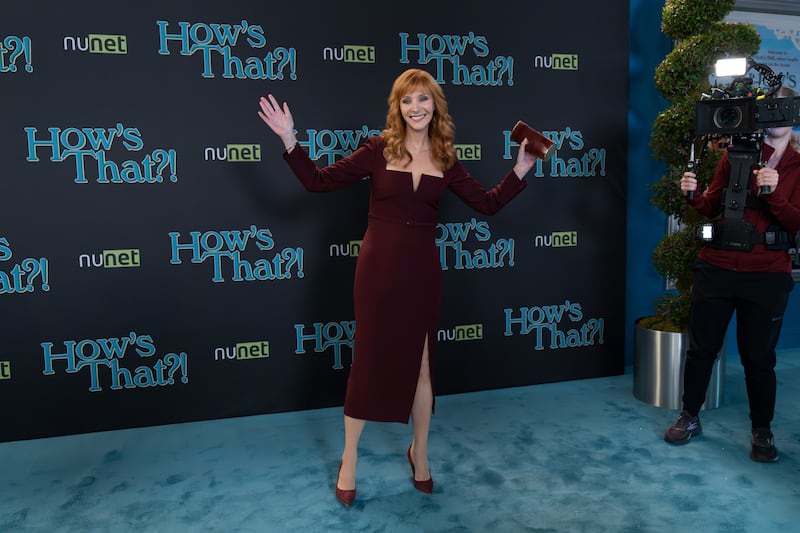
Fast-forward to the just-concluded season, which finds Valerie, after a decade of struggling to maintain relevance—helped by a viral stint on The Traitors—being gifted a dream: the lead role in a new comedy series. Of course, nothing is that easy in Valerie’s life. The show is the first multicam sitcom to be written entirely by AI.
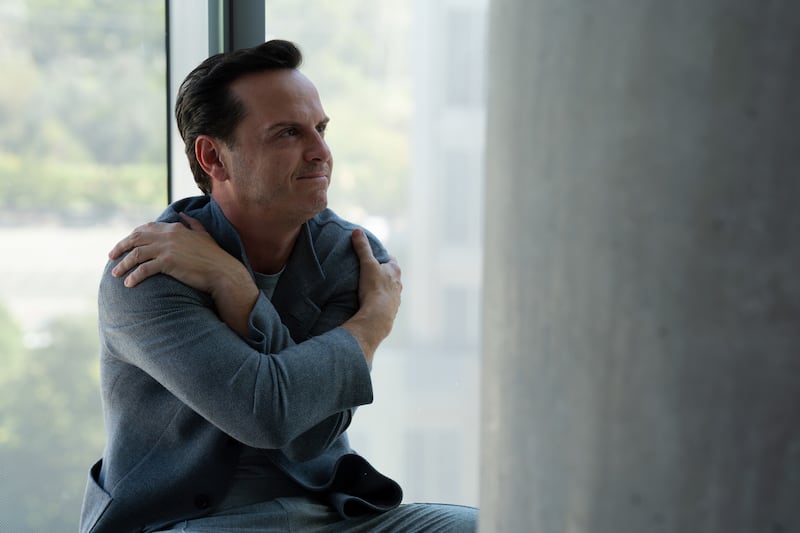
It’s yet another moral crisis Valerie must face, and one she has to do while juggling it as a secret, managing an oblivious cast and crew, and tangoing with Brandon Wallick, an executive (played deliciously by Andrew Scott) who promises that he—and now she—are simply ushering in the inevitable next frontier of television, despite her skepticism. That The Comeback does not turn the volume down on the megaphone portraying AI as a demolition event for creativity and art only exacerbates Valerie’s stress.
In the 21 years of playing Valerie, in fits and bursts, Kudrow crafted what will undeniably be ruled one of the greatest comedic performances of all time. It’s indisputable. She played an unflappably ambitious actress who could have been insufferable and manic—and, sure, sometimes was—but injected her with compassion, admirable self-worth, vulnerability, and enough grit to match her insecurities.
There are few actors who, in a close-up, you can see them actually think in character. The way her eyes dart as she considers a response. The frequent interjections of “you know” and “right,” as lived-in as any performance of a woman as theatrical as Valerie could possibly be. How an explosion of enthusiasm or an “alright!” could be as powerful as her slight shrinking back and biting of her lip when yet another indignity is thrust upon her.
The last episodes of The Comeback showcase all the subtleties and outlandishness that fly from Kudrow’s performance like glitter in a gust of wind: tiny flashes of brilliance, each a small speck, but which dazzle with just enough chaos when swirling together.
If you’ve watched Valerie’s journey from the start, the arc is so gratifying.
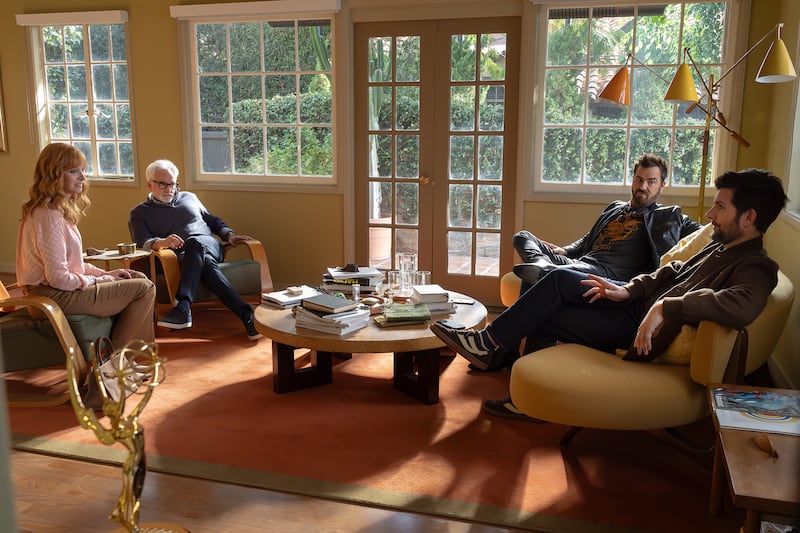
She handles herself with professionalism and confidence during a meeting with Hollywood’s three biggest writers about speaking against AI; it’s as fun to watch as a circa-2005 Valerie becoming a fraying wire of anxiety would have been in such a meeting then. She stands up to Scott’s Brandon, defending the noble work of writers and the value of television as he delivers an ultimatum that could make or destroy her career, but that amounts to (docu)signing a deal with the devil: AI.
That Valerie would get such a satisfying farewell trajectory would be enough to make fans smile like a Cheshire cat while dabbing away some tears. That The Comeback didn’t just set the season against the backdrop of the AI takeover, but comes out so unequivocally and damningly against it is, I’d imagine for many loyal viewers and Hollywood enthusiasts, a sweetener.
The finale features a heavyweight writer, played by Bradley Whitford, who says that AI “isn’t the normal TV evolution…it’s an extinction event.” When Valerie informs him and the other two writers who comprise “The Big Three” that her AI-written show, How’s That?!, was renewed for a second season, the one played by Adam Scott quickly retorts: “I think it’s not so much a victory lap as a funeral, for writing.”
And that comes after the legend of TV legends, James Burrows, delivers a monologue about how AI could never and will never replace the human capability to create great art. (A horrifying pairing with Brandon’s executive position that “great” no longer matters when “good enough” is the business goal.)
In fact, there’s a case that, after three seasons and 21 years, maybe the point of The Comeback in the end was to convey the power and necessity of art to remind us of humanity.
I was incredibly struck by Valerie’s final monologue in the series. Jane (Laura Silverman), who has been documenting her all this time, tells her, “I’ve watched you for 20 years, Valerie. Twenty years in an industry that offered you nothing but humiliation. I don’t know how you kept going.”
Valerie’s response was, well…just read it:
“Isn’t that funny? I never felt that. Humiliation? No. No. No, well, listen. I felt when people were mean to me or insulting, sure. You know. But that didn’t serve me, you know. ‘Cause needed to get to where I was going, you know. So, but humiliation, no. I think you have to agree to be humiliated. And I never signed up. You know? Yeah. I don’t know. Just did the best, you know, with what I was given, right? Isn’t that what being a human being is, though? Right? You just make the best of things. Otherwise, you’re just left behind and miserable all the time, you know? I don’t know. Things aren’t always going to be the way you want, right? Not always gonna get the perfect job. Or whatever, you know? But you have to make the best of it, right? You have to adapt. Keep going. Anyway, that’s what I tried to do, so…”
This whole time, so many of us viewed Valerie as a victim. She did parlay that into becoming a folk hero of sorts, sure, for the ways in which she faced misogyny and the violent unfairness of her industry without letting the bruises show or deter her. For the show’s gay audience, I’d venture that was what resonated so resoundingly and why there is such an attachment to her, a recognition of what it’s like to be underestimated, discounted, and feel the pangs of the insults and judgment, soldiering on, fabulously and smiling, anyway.
The first poster for The Comeback, as Michael Patrick King told me in an interview for Obsessed: The Podcast, featured Valerie putting herself through a meat grinder, telegraphing her willingness to grotesquely submit herself to the sacrificing of her dignity in order to achieve fame. But the joke’s been on us the whole time. Valerie isn’t a cautionary tale because she never saw herself that way. She never felt that way. That was our perception of her.
You could consider the finale of The Comeback a happy ending. Valerie leaves her AI show and gets hired to be the lead on a series from the most celebrated writer in the business, earning another Emmy nomination. But that’s what I think is so beautiful about Valerie’s monologue, and, it turns out, her entire attitude. It’s not an ending any more than any of her other successes or failures were. She’s just going to keep going. Because that’s what you gotta do. Right?