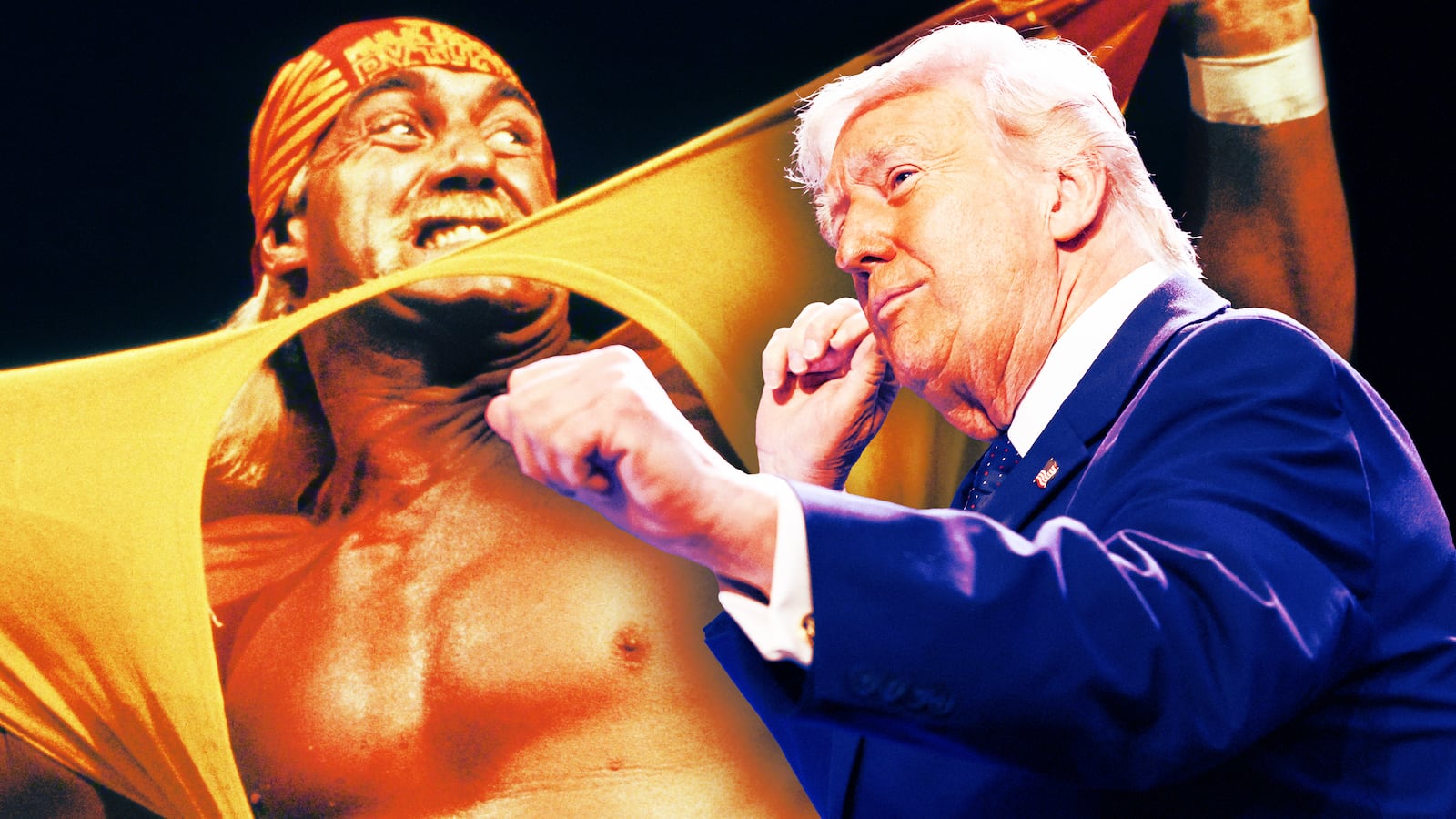
It shouldn’t be that surprising that the sitting president of the United States would appear in multiple episodes of Netflix’s new four-part Hulk Hogan docuseries, Hulk Hogan: Real American (streaming now). After all, Donald Trump learned all of his best tricks from the world of professional wrestling.
Long before Hogan endorsed Trump at the Republican National Convention in 2024, the pair were friends. In his interview, which begins midway through the second episode and was filmed in the Oval Office, Trump calls Hogan a “showman” with whom he had always had a “good relationship.” That relationship was apparently strong enough for Hogan to personally request Trump appear in what ended up being a posthumous documentary following his death at 71 last summer.
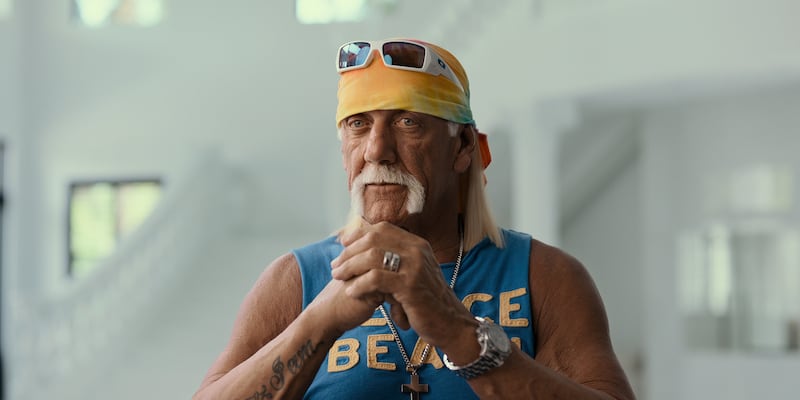
In the final episode, which focuses on Hogan’s post-wrestling career and final years, he shares a voicemail from Trump in which the president thanked him for the dramatic 2024 endorsement and called him a “winner.”
At this point, Hogan explains why he decided to throw his hat in the proverbial ring for Trump after mostly staying out of politics until the end of his life. “In 2016, I was one of the cowards who voted for Trump but wouldn’t wear the red hat,” he says. “In 2020, I voted for Trump, and was still a coward.” It was the assassination attempt on Trump during the summer of 2024 that changed his mind. “I was going to vote for him the next time and keep a low profile, but they tried to kill Trump,” Hogan explains.
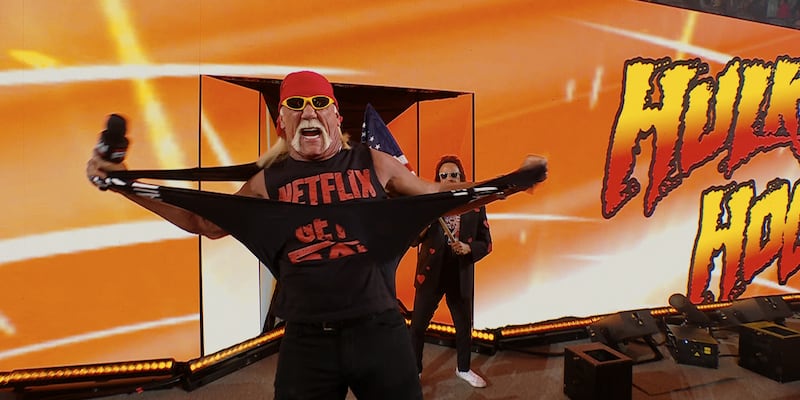
But while Hogan may have gone all out for Trump in his shirt-tearing speech, Trump doesn’t exactly return the favor here, instead displaying remarkable narcissism throughout his appearance in the series. Calling both himself and Hogan “controversial figures,” Trump remarks, “I think I’ve become less controversial over the years.” Asked to perform Hogan’s signature finger wag for the camera, Trump refuses.
Of course, Trump’s pro-wrestling connections go far beyond Hogan, including holding a spot in the WWE Hall of Fame. He “feuded” with the disgraced former chairman of World Wrestling Entertainment, Vince McMahon—currently facing sex trafficking allegations—at WrestleMania 23 in 2007. McMahon’s wife, Linda McMahon, served in both Trump cabinets, as head of the Small Business Administration in his first term, and as the current Secretary of Education. And to celebrate his 80th birthday on June 14, Trump will host a UFC match on the White House lawn.
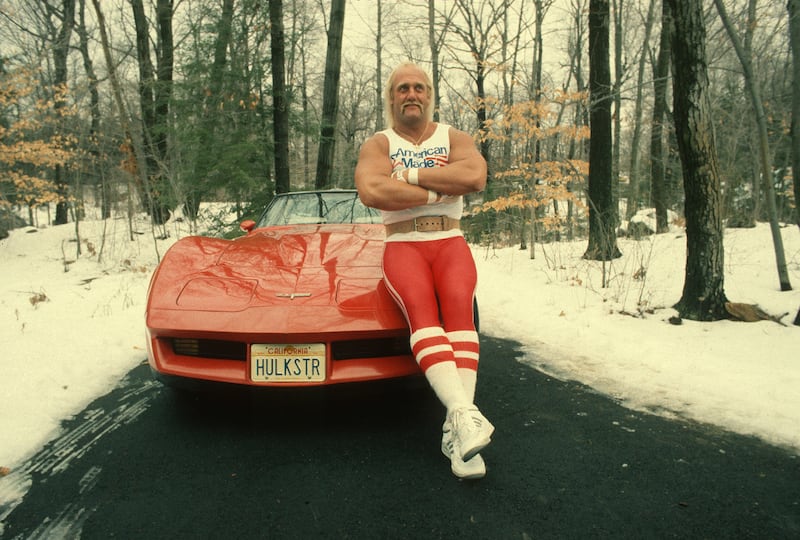
But given their simultaneous rises to power and prominence in the 1980s, there is something oddly fitting about Trump and Hogan as dual avatars of pro-wrestling culture. But while Trump continued to fail upwards into the presidency, Hogan’s downfall was a long time coming.
Hogan was plagued by injuries and accused of his ego getting too big for his wrestling trunks—“being a mark for your own gimmick,” as one interviewee calls it in the docuseries. But his public perception took a much bigger hit in the past decade, stemming from the 2012 publication by Gawker of stolen intimate footage of Hogan, in which he identified himself as a racist and used the N-word. Hogan’s legends contract with WWE was terminated and he was removed from the WWE Hall of Fame, but it was hard to shed too many tears for him when he was awarded a combined $140 million (later a $31 million settlement) in a lawsuit bankrolled by Peter Thiel that bankrupted Gawker in 2016.
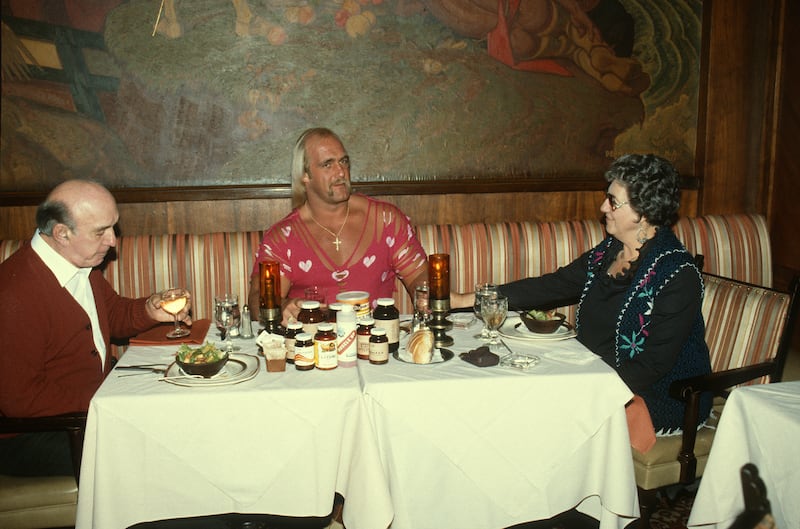
Hogan was reinstated to his WWE duties in 2018, enough time having passed to atone for his racism, despite some WWE wrestlers reportedly being uncomfortable with his return to the company and inadequate contrition. Kofi Kingston, a member of the Black tag team New Day and the first African-born WWE champion, posted a statement at the time that read in part, “When someone makes racist and hateful comments about any race or group of people, especially to the degree that Hogan made about our people, we find it difficult to simply forget, regardless of how long ago it was, or the situation in which those comments were made… Perhaps we will see him make a genuine effort to change, then maybe our opinion will change with him.”
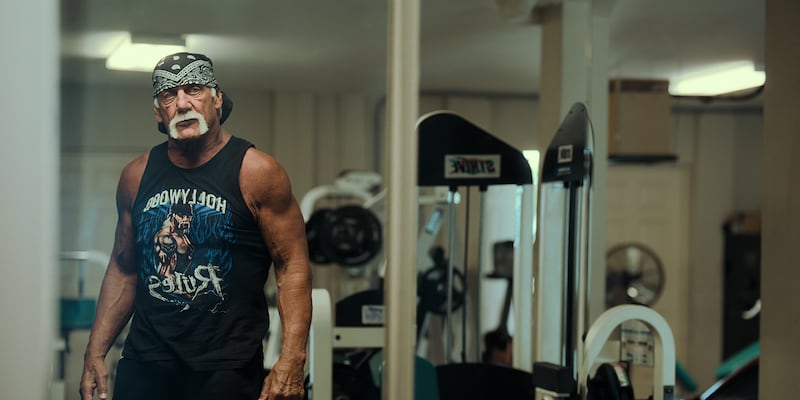
Like Kingston and the New Day, many fans weren’t able to forget Hogan’s transgressions, and during Hogan’s final WWE appearance in early 2025 in Los Angeles, he was met with resounding boos. Hogan claims in the series that he wasn’t affected by that reception, but given the previous four hours of footage and testimony establishing that Hogan struggled to differentiate his true identity, Terry Bollea, from the character he became, it’s likely that they did.
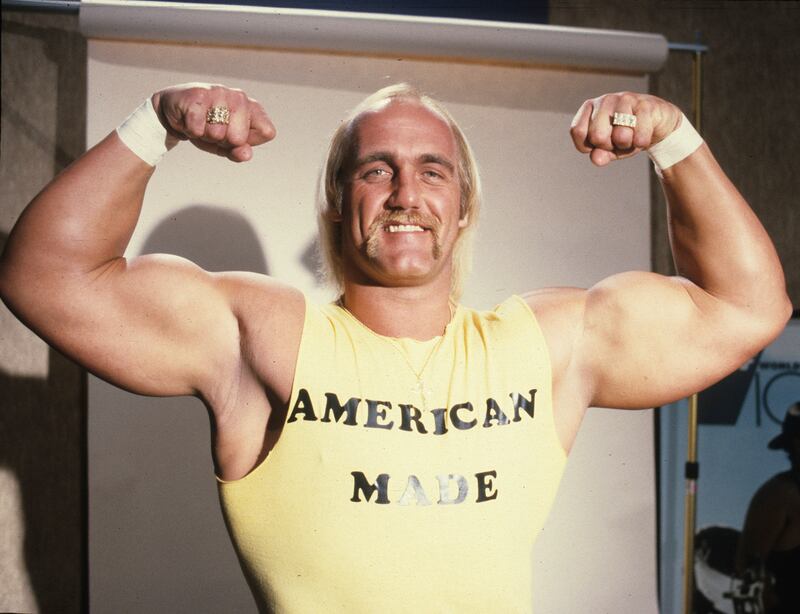
Hogan’s final years are depicted as pretty miserable, with his RNC ovation at Madison Square Garden, where much of the mythos of his character was established, serving as a last grasp at the adoration that once greeted him there.
“He was powerful enough to get presidents elected,” says Paul “Triple H” Levesque, WWE’s chief content officer, member of the president’s Council on Physical Fitness, and an executive producer of Hulk Hogan: Real American. While it’s hard to credit a washed-up wrestler with that feat, there’s certainly a Venn diagram of people who love both Hogan and Trump. The president seems to count himself among them, but he loves himself a lot more.