Our List: Most Startling Medical Discoveries of the Last 10 Years
The last decade has far surpassed previous ones in terms of medical innovation, from the once-a-day HIV pill to the ability to make adult stem cells imitate embryonic cells. See our list of the most important discoveries.
AP Photo
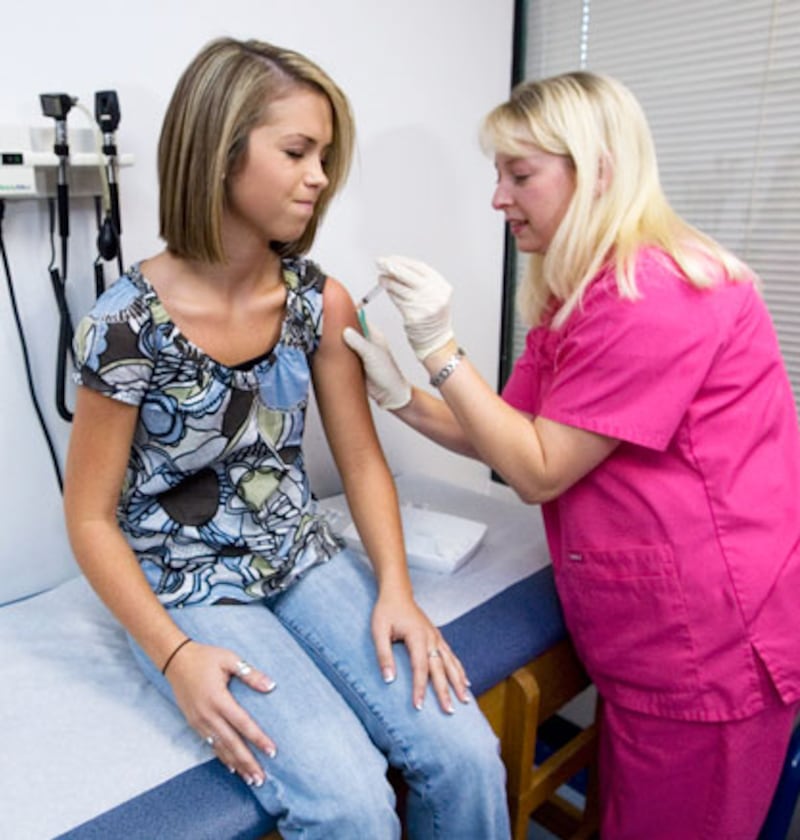
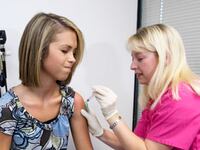
Released amid a flurry of controversy in 2006, Gardasil, the first vaccine against human papillomavirus, or genital warts, was hailed by some as a chance to drastically reduce rates of cervical cancer, which affects women infected with HPV. Anxious parents saw schools’ recommendations that pre-teens get the vaccine as a tacit approval of premarital sexual activity. Either way, it stands as one of the most important vaccines developed in the last decade—cervical cancer kills almost 4,000 American women annually.
AP Photo
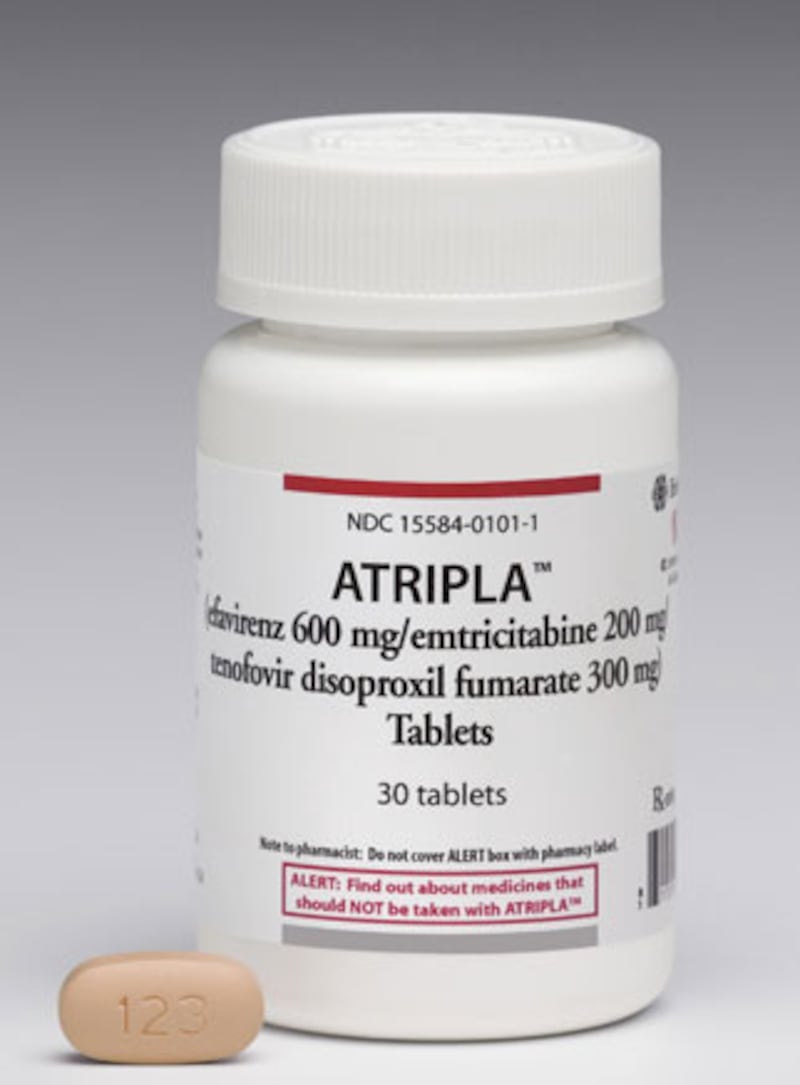
The 2006 introduction of Atripla—a fixed-dose drug that combines three antiretrovirals into a single pill—is an important step in providing care for HIV-positive patients, as it reduces the usual regimen to a single pill.

In Iraq, the ratio of dead to wounded is 1 to 7.3, compared with 1 to 1.7 in World War II, thanks largely to huge strides in battlefield medicine and surgery. Refined technology makes armor lighter and easier to carry; improved battlefield procedures mean injured soldiers receive care more quickly than ever before. During the Vietnam War, travel to a military hospital took 42 hours; from Iraq, it takes just four hours. But as more soldiers survive horrific accidents, more require therapy, both physical and mental, to learn to live with their scars.
Marco Di Lauro / Getty Images
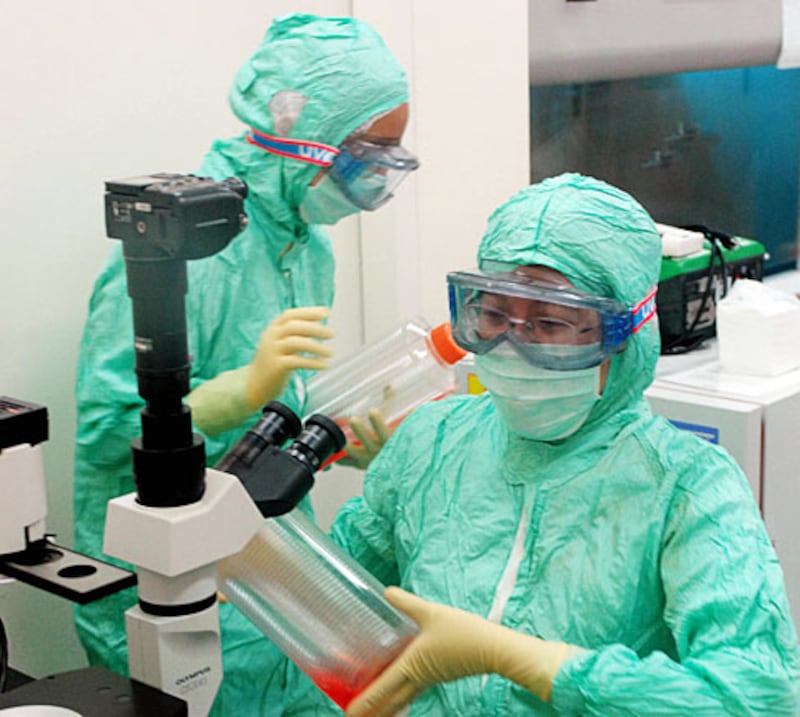
H1N1 (“swine flu”) may have replaced H5N1 (“avian flu”) as our biggest influenza bogeyman, but the bird-borne strain is said by experts to be more deadly, with a greater chance of causing a pandemic. Luckily, we have a weapon against it: Several moderately successful vaccines, including Sanofi Pasteur’s, which was given government approval in 2007, might help prevent a pandemic. New breakthroughs this year at the University of Melbourne could lead to an even more effective vaccine.
Sam Yeh, AFP / Getty Images

Though the ability of the pill to prevent menstrual bleeding was known from the very start—Gregory Pincus, who helped create the first birth-control pill, said “In view of the ability of this compound to prevent menstrual bleeding as long as it is taken, a cycle of any desired length could presumably be produced”—it wasn’t until 2003 that the FDA approved what they called an “extended cycle combined hormonal contraceptive:” a pill with fewer placebos, or “place-holder” pills, which reduces the number of menstrual periods from 13 per year to four.
Steve Taylor / Getty Images

The development of drugs like erlotnib and gefitnib, which target specific cancer-aiding molecules, have revolutionized not only the treatment of some previously difficult-to-treat cancers, such as lung cancer, but the way doctors, researchers, and drug companies view diseases like chronic myelogenous leukemia, or CML, a disorder of the white blood cells.
Unlike chemotherapy, which attempts to prevent cancer cells from dividing, targeted therapy attacks the molecules that allow cancer to grow. “In a way, [these drugs] remind me of the way we used to think about HIV and the way we think of it now—drugs changed the trajectory of the disease,” says Dr. Michael Fisch, chair of the department of general oncology at the M.D. Anderson Cancer Center. “CML is like that too.”

In one of the most science fiction-worthy breakthroughs of the last decade, in 2005, doctors were able to successfully perform a partial face transplant on a French woman. Isabelle Dinoire, who had been mauled by her dog, was grafted with face tissue from the mouth and nose of a brain-dead donor. Since then, more and more extreme surgeries have been undertaken. A 2008 transplant at the Cleveland Clinic included facial bones as well as skin and muscle; this year, Dr. Pedro Cadavas performed a face transplant in Valencia, Spain, that also transplanted a tongue and a jaw.
China Photos / Getty Images

Since the 1998 publication in The Lancet of an article claiming that childhood vaccines—in this case, the measles, mumps, and rubella shot—were a possible cause of autism, many parents have grown skeptical of vaccinations, in some cases refusing to give their children the MMR shot, or sometimes any vaccines at all. The fears, propelled by high-profile boosters of the autism-vaccination theory, such as Jenny McCarthy and Jim Carrey, could lead to a real public health risk, as fewer children are vaccinated against potentially deadly diseases. But in 2004, 10 of The Lancet paper’s 12 authors retracted their authorship, and a number of newer studies helped stave off the unfounded panic. Earlier this year, a federal court ruled that there is no connection between vaccines and autism.

Studies conducted in 2006 and 2007 by the National Institutes of Health indicated that circumcision could drastically reduce risk of HIV infection—up to 51 percent in the case of straight men having sex with HIV-positive women. In some African nations, where high rates of HIV are driven by male-female sexual intercourse, widespread circumcision could help stop the spread of the disease. But when Mayor Michael Bloomberg suggested in 2005 that circumcision should be promoted as an HIV-prevention method in New York City, controversy erupted. American HIV/AIDS advocates prefer to keep the focus on condoms, especially among gay men, whose sex practices are more likely to spread the disease. There has still been no conclusive research on the effectiveness of circumcision as an HIV-preventive method within the United States.

The chronic pain disease known as fibromyalgia is difficult to diagnose and even more difficult to treat. But with the 2007 FDA approval of the anti-seizure medication pregabalin (marketed as Lyrica) to treat the disease, those afflicted were able to find some measure of relief. Two antidepressants, Cymbalta and Savella, have also been approved to treat fibromyalgia.
JB Reed / Landov
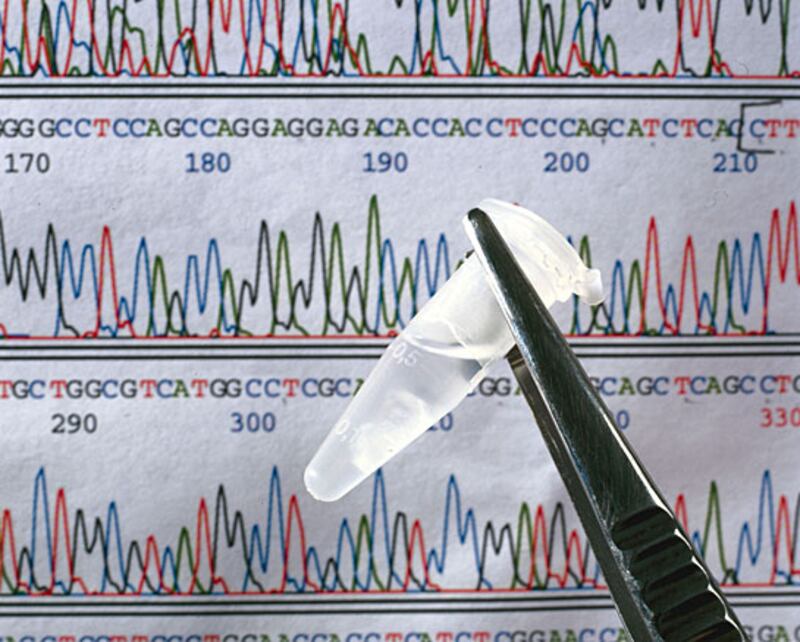
In 2001, the Human Genome Project published the first human genome map; in 2003, an updated version was completed. Scientists and researchers hope to one day use information garnered from the map to tailor treatments to patients’ specific genetic makeup. The genome map may also help further knowledge of how diseases are activated within the body.
SSPL / Getty Images
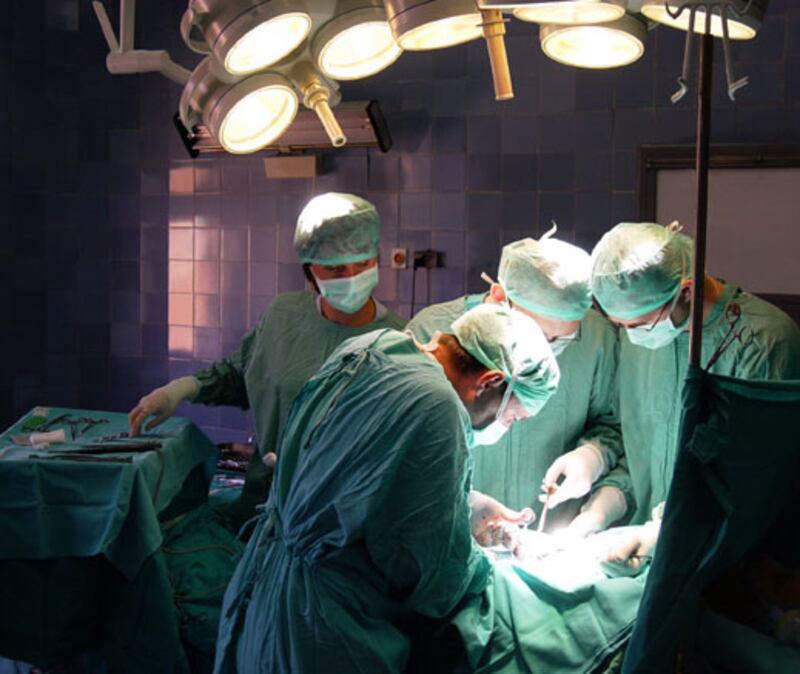
Laparoscopic surgery, which requires only a small incision in the abdomen, is quickly replacing many invasive surgeries of the past. Much more radical is “natural orifice” surgery, in which the procedure is performed through orifices such as the mouth, vagina, or anus; gall bladders, for example, can be removed through the mouth.
“There’s no incision,” explains Michael J. Dixon, president of UNeMed Corp. “They can pull it out and you’re home in two days. The innovations surrounding that are moving light years ahead, as far as thoracic surgery goes.” Though the technique is still in its infancy, advances in technology could lead to it someday being adopted as widely as laparoscopic surgery has been, meaning even less time in the hospital, and no scars at all.

With most children receiving 23 injections before 18 months of age, strict vaccination schedules can be difficult to adhere to for busy families. Currently, only 77.4 percent of children between 19 months and 35 months are up-to-date on their vaccinations. But the process became significantly easier with the approval of Pentacel, which protects against five diseases in one shot: diphtheria, polio, tetanus, haemophilus influenza B, and whooping cough.
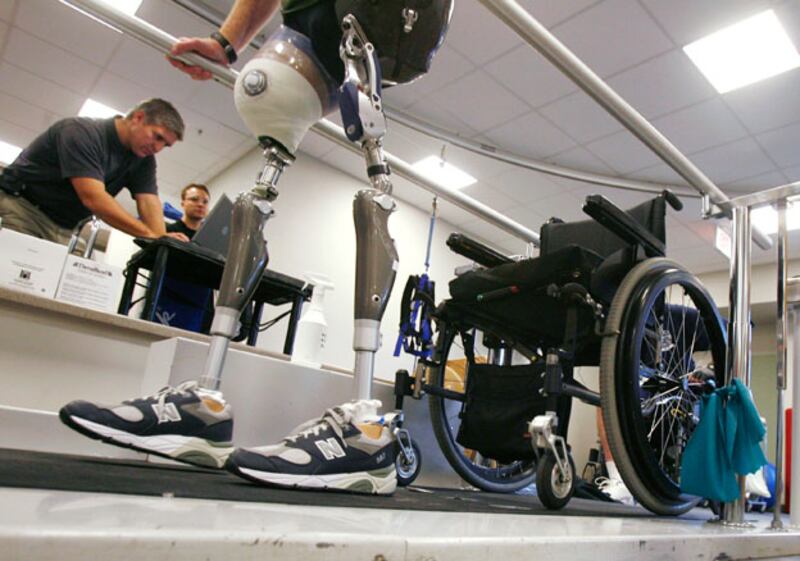
As more soldiers return home injured than ever before, the demand for lightweight, high-functioning prosthetics are growing. Researchers working on prosthetic limbs with natural control and sensory feedback have made huge strides over the last decade, transferring residual nerves from amputated limbs to other, proximal parts of the body. The result is that some amputees can control their prosthetics with their minds, by activating memories of using the missing limb.
Jim Young / Reuters

In the booming field of stem-cell research, the biggest advance has likely been the ability to induce pluripotence in adult stem cells, giving adult stem cells some important properties of embryonic stem cells. Not only does this help sidestep ethical concerns over lines derived from human embryos, but it opens up a much larger supply of cells for medical use. “The embryonic research is a necessary tool to understand the work,” says Michael Dixon of UNeMed, “but there’s never going to be a large enough supply of embryonic cells to use.”
AP Photo

Emergency contraceptives for the morning after unprotected sex were among the most celebrated—and controversial—breakthroughs of the 1990s. The FDA approved “Plan B” in 1999, but it was prescription only; in 2006, the agency approved over-the-counter access to the drug for women over 18. A 2009 ruling expanded access to 17-year-olds, though younger teens still need a prescription.
Joe Raedle / Getty Images

Amniocentesis remains the most common prenatal test for Down syndrome, and while it is considered a routine procedure, the process of extracting amniotic fluid carries a small risk of miscarriage. In 2008, two different teams of scientists developed blood tests that can predict Down syndrome in a fetus. The tests isolate fetal DNA and RNA in the mother’s bloodstream and examine it for the extra chromosome characteristic of Down syndrome. But as prenatal genetic testing becomes more advanced, so do ethical concerns around it; over 90 percent of couples receiving a prenatal Down syndrome diagnosis now choose to abort.
Getty Images

The development of drug-eluting stents, which release medicine after being inserted into a coronary artery, could significantly reduce problems with restenosis—the narrowing of the blood vessel—that can sometimes be a problem after heart surgery. “If you project that to, say, the next five to 10 years, the next-generation stents will be less of an irritant yet produce the same efficacy. They'll heal better without the anti-platelet medications,” says Dr. John Lasala, chief of interventional cardiology at Barnes Jewish Hospital in St. Louis.

Though the concept of evidence-based medicine has been around for decades, the philosophy has gained popular currency only within the last year, helped along by the Obama administration’s desire to use it to reduce cost projects for their health-care overhaul plans. Popular with health policy wonks who believe widespread use of the practice could drive down costs by making health care more efficient, EBM holds that data and hard scientific evidence should be the chief factor in decision-making between doctors and patients. It sounds obvious, but people—both doctors and patients—often let received wisdom about diseases and treatments cloud their judgment. The driving force behind the recent controversial recommendation to increase the age of annual mammogram screenings to 50 was an evidence-based approach.
See more of our coverage in your search results.

Got a tip? Send it to The Daily Beast here.
Register below to read this article for free or subscribe
to unlock unlimited access to The Daily Beast.
Monthly
$1
First month then $5.99/month
Annual
$35
First year then $59.99/year
Premium
$79
First year then $119.99/year
*Substack access provided by the next business day, using your subscription email. Choosing the Premium plan constitutes your permission to share your subscription email with Substack and your agreement to Substack’s Privacy Policy.
Already have an account? Sign In
Looks like you already have a subscription!
You're all set!
Thanks for subscribing.