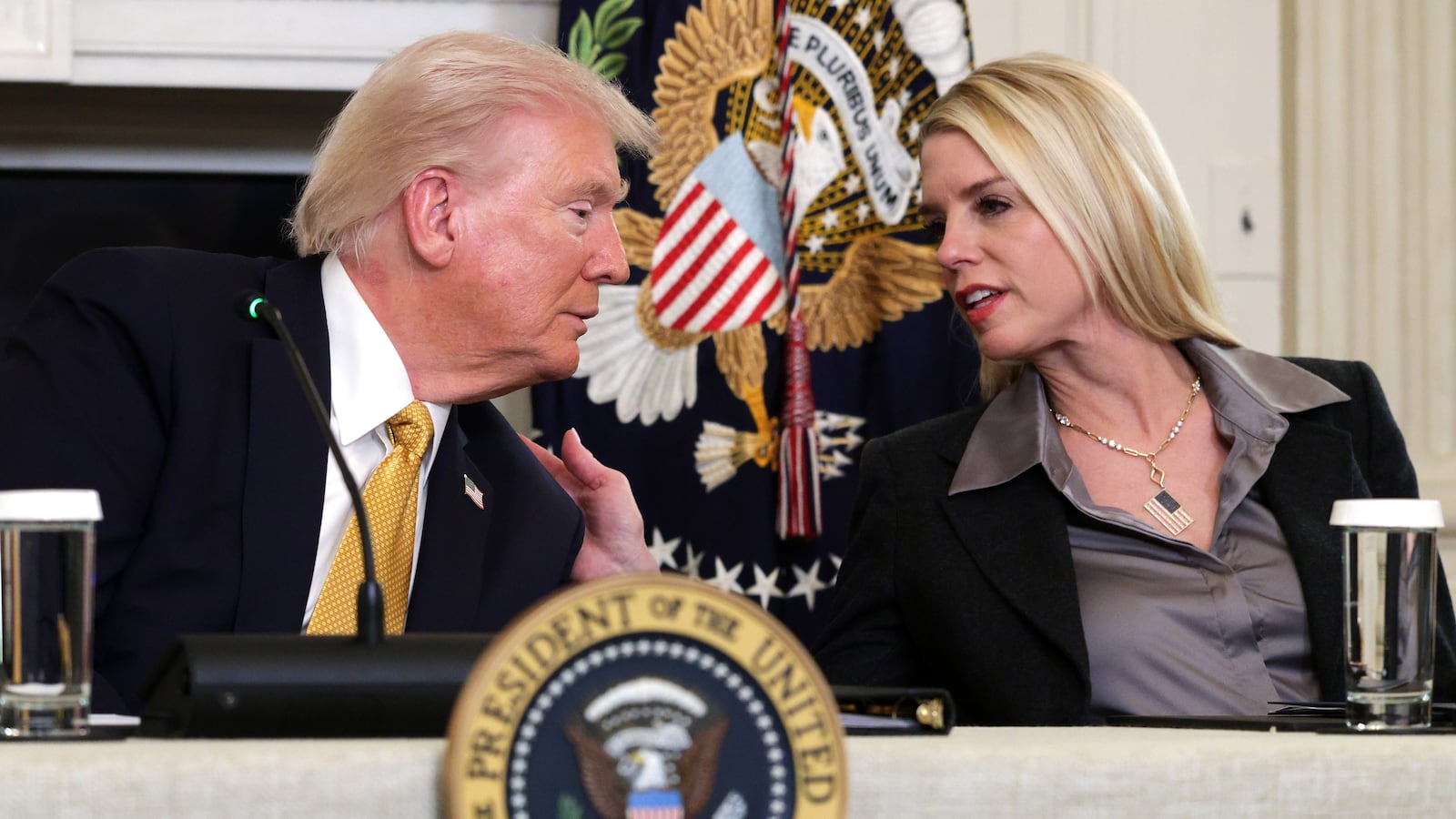
Pam Bondi’s Department of Justice has secretly advised President Donald Trump that he can safely violate a federal law aimed at preventing government corruption.

After his first term in office, Trump was indicted on 40 counts of allegedly keeping and mishandling classified documents in violation of the Presidential Records Act of 1978, which requires outgoing presidents to give all of their official records to the National Archives and Records Administration.
But the DOJ has assured him that this time around, the department’s legal counsel has concluded that the law exceeds Congress’s powers under the Constitution, a White House official told Axios.
“Congress does not have the power to compel an entire branch of government to create and save every single possible piece of paper,” the official said.
The official also claimed that the White House has not been destroying documents or deleting emails, and that Trump has instructed employees to preserve records for “historical value, the administrative record of policy decisions and actions, litigation needs, and to explain past actions and guide future ones.”
The information remains available to Congress “via the give and take of the negotiation process,” the official said.
The DOJ interpretation suggests Trump will not willingly hand over his records, according to Axios.
The Daily Beast has reached out to the White House, DOJ, and NARA for comment.
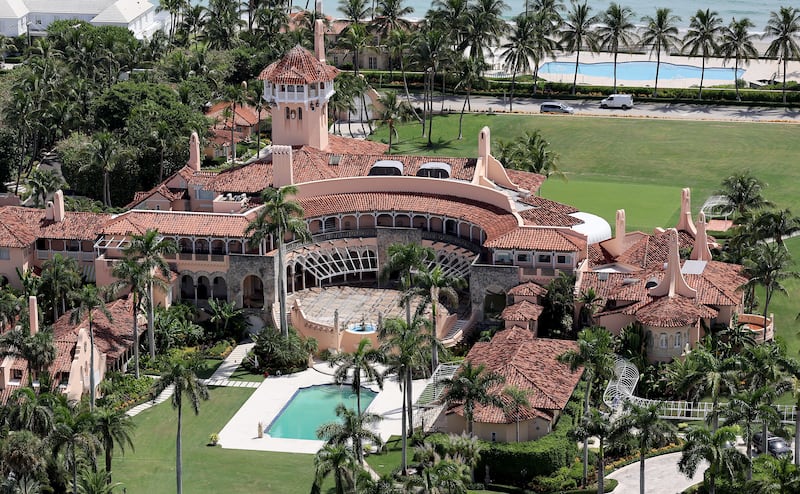
In 2023, Special Counsel Jack Smith secured a criminal indictment against Trump accusing him of hoarding classified documents—including highly sensitive national security information—at his private Mar-a-Lago estate in Palm Beach, Florida.
Federal District Judge Aileen Cannon, a Trump appointee, dismissed the case a year later in a shock ruling, claiming that Smith’s appointment had been illegal.
Smith appealed the decision but ultimately dropped the case after Trump won re-election.

Earlier this year, Cannon permanently blocked the DOJ from releasing Smith’s final report on the investigation.
Smith has testified before Congress that Trump illegally kept the classified documents and “repeatedly tried to obstruct justice to conceal his continued retention of those documents.”
Bondi’s DOJ was also accused last month of accidentally providing “damning evidence” to lawmakers that Trump had kept the documents to protect his business interests.
It’s not clear whether the administration plans to challenge the Presidential Records Act in court or is hoping to convince Congress to overturn it.


The White House is weighing its next steps and plans to discuss the issue with NARA, the White House official told Axios.

The Presidential Records Act was passed in the years following the Watergate scandal as a barrier against presidential corruption. It states that every official record regarding a president’s decisions or policies belongs to the U.S. government, not the president.