Officials at the World Health Organization are preparing for the possibility that President Donald Trump’s war with Iran could escalate into a nuclear catastrophe.
Hanan Balkhy, the WHO’s regional director for the Eastern Mediterranean, told Politico that U.N. officials are monitoring the region in case the U.S. or Israel targets one of Iran’s nuclear sites, adding that officials are “vigilant” about how far the conflict could escalate.
“The worst-case scenario is a nuclear incident, and that’s something that worries us the most,” Balkhy said. “As much as we prepare, there’s nothing that can prevent the harm that will come… the region’s way—and globally if this eventually happens—and the consequences are going to last for decades.”
Balkhy said WHO staff are preparing for several possible scenarios, including an attack on a nuclear facility or the use of a nuclear weapon. “We are thinking about it, and we’re just really hoping that it does not happen,” she said.
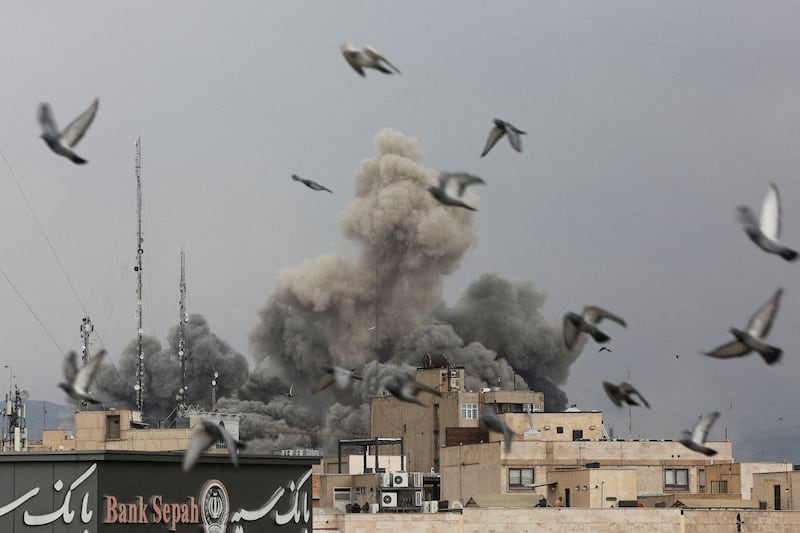
As part of those preparations, the WHO is reminding staff of protocols for responding to a nuclear incident, including how to offer guidance to officials about the long-term health risks linked to radiation exposure.
“I think those who read the history of previous incidents, whether intentional or accidental, are very aware of what we’re talking about,” Balkhy said.

Radiation from the 1986 Chernobyl disaster was blamed for a sharp rise in thyroid cancer and other diseases in surrounding regions for years after the explosion. As many as 240,000 people are estimated to have died as a result of the U.S. dropping atomic bombs on the Japanese cities of Hiroshima and Nagasaki in 1945.
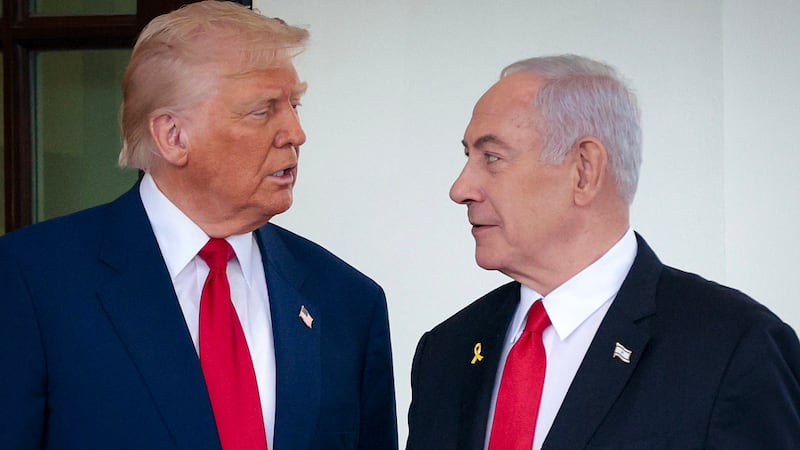
In response, White House spokesperson Anna Kelly told the Daily Beast: “President Trump is addressing the long-term threat that the terrorist Iranian regime poses to America and our allies. This is a perfect example of how WHO has become an incredible organization that no one takes seriously.”
Trump has justified the war in Iran by claiming the country is close to acquiring a nuclear bomb—something Tehran has vehemently denied—while also accusing it of plotting attacks on the U.S.
This comes despite the president previously boasting that the U.S. had “obliterated” Iran’s nuclear facilities during July 2025 airstrikes.
Joe Kent resigned as director of the National Counterterrorism Center on Tuesday, saying Iran posed “no imminent threat” to the U.S.
Trump has rejected suggestions that Israel could be the one to use a nuclear weapon against Iran.
“Israel wouldn’t do that. Israel would never do that,” Trump told reporters in the White House East Room.

The president was asked about the possibility of nuclear weapons being used after his cryptocurrency czar, David Sacks, raised concerns on the All-In Podcast about a potential “escalatory approach” in the conflict.
“Israel could get seriously destroyed,” Sacks said. “And then you have to worry about Israel escalating the war by contemplating using a nuclear weapon.”