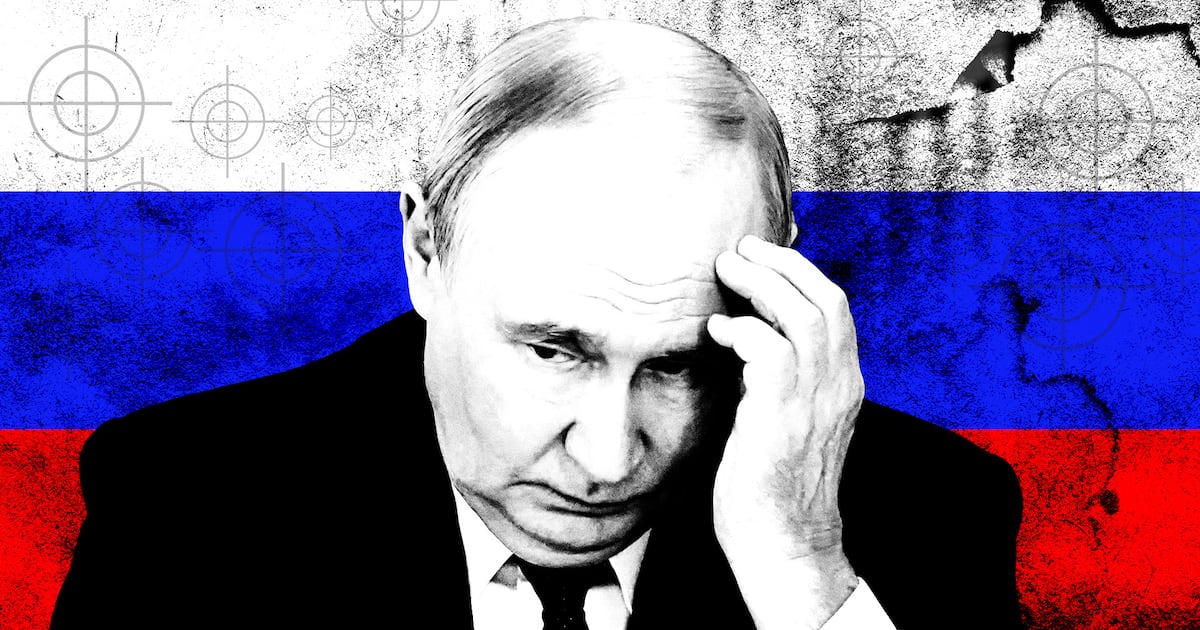

Vladimir Putin fears for his life if he can’t achieve his basic goal in Ukraine, according to a new report.
The Russian dictator, 73, is under increasing pressure to deliver results on his “special military operation” after nearly five years of increasingly attritional warfare that has cost hundreds of thousands of lives.
He is reported by The Economist to have confided in his closest goons that “They’ll hang me” if he can’t fully conquer the entire Donbas region in the east of Ukraine.

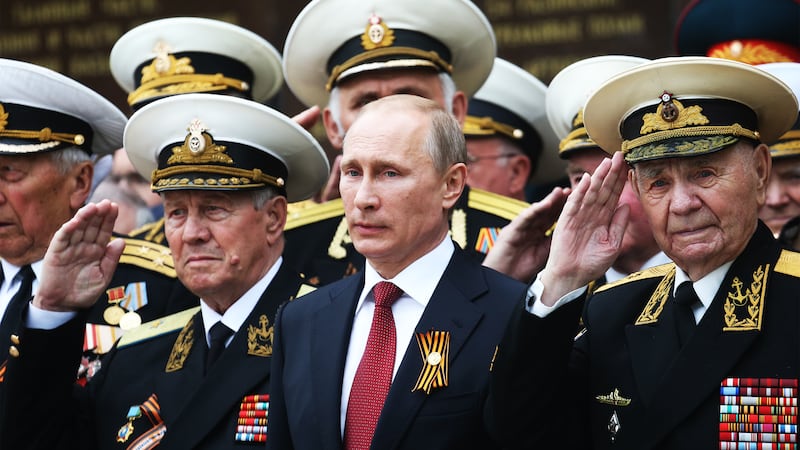
That mindset is sparking fears in the West that, to avoid appearing stuck in an insurmountable stalemate, Putin may seek escalation elsewhere.
The U.K.-based magazine noted that Putin will feel that if he cannot tick off the objectives he set out to achieve, or at least make it appear that progress is taking place, then his life may be at risk.
“Inertia-driven scenarios are disadvantageous to the Kremlin,” a source from inside Russia’s elite told the publication.
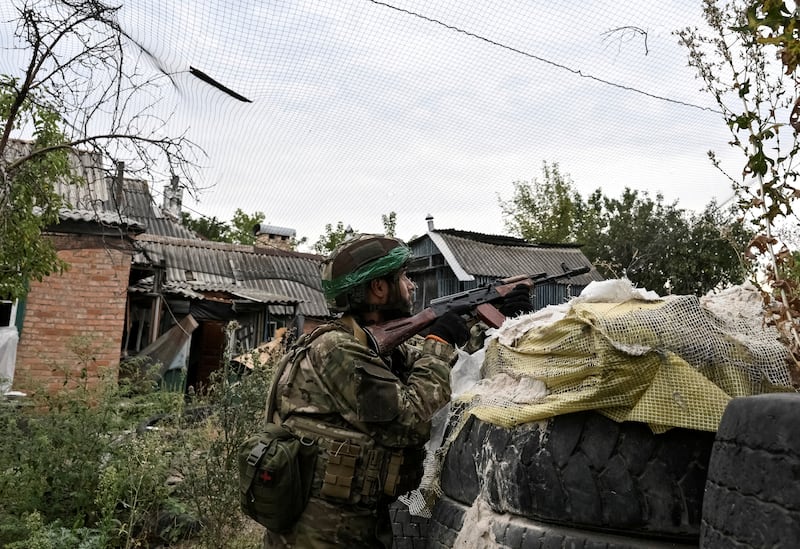
Donbas includes the Luhansk and Donetsk oblasts, which have been at the center of the conflict since Putin launched a full-scale invasion of Ukraine in 2022 following the illegal annexation of Crimea in 2014.
Donbas has long hosted a Kremlin-backed pro-Russian separatist movement that gave Putin a convenient pretext for his invasion.
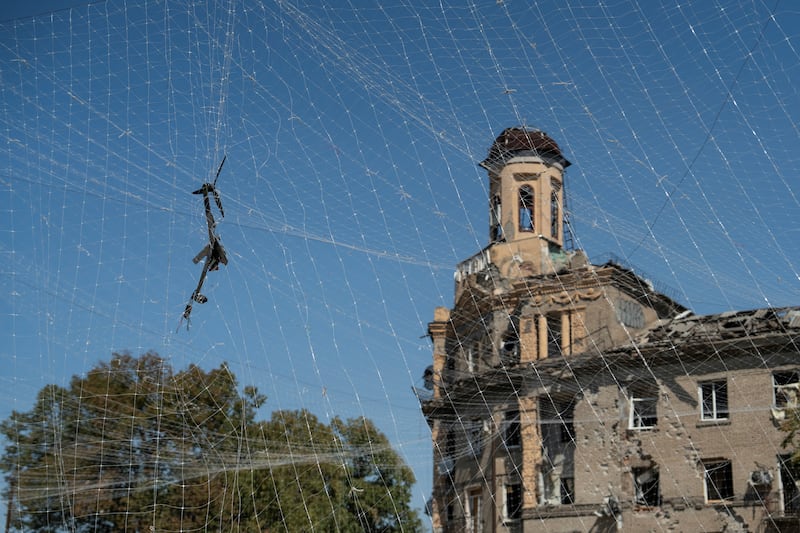
But what many expected to be a rout of Kyiv’s forces turned out to be anything but. Ukraine stunned the world with its resilience and adaptability to modern warfare, becoming a world leader in the use of drones.
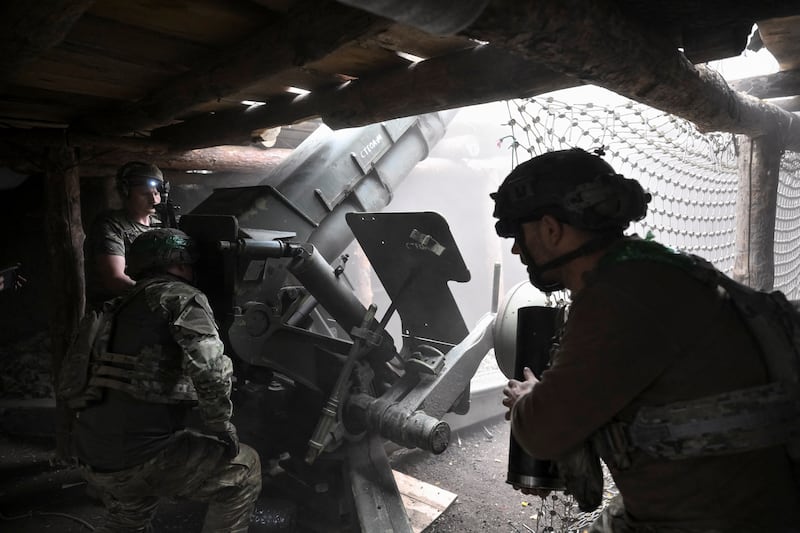
With extensive aid from the West, its resistance has seen Russia’s losses mount to around half a million, as of earlier this summer, according to the Center for Strategic and International Studies.
Now too, Russia’s home front has been dragged into the conflict, with Ukraine’s drones flooding over the border, devastating logistics and commerce hubs, and bringing the war home to the Russian people in a way not before seen in this war.
Oil refineries have been targeted repeatedly, leading to long tailbacks at gas stations and hits to Russia’s economy. It has hurt public support for Putin’s war, and now he is under more pressure than ever.
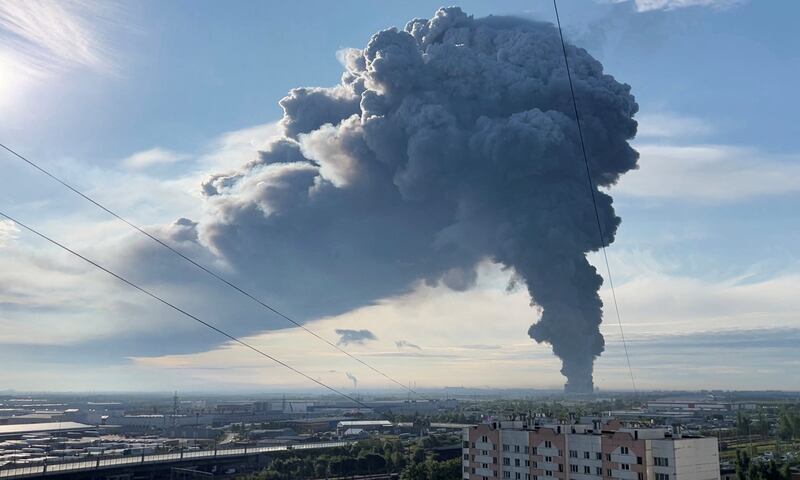
What escalation may mean from Russia’s perspective remains to be seen, but The Economist reports that it could include attacking factories and facilities in Europe connected to the provision of resources to Ukraine.
Indicators already point towards Russia’s growing willingness to push Europe’s boundaries, with fires and mysterious arson attacks springing up around the continent. Romania, Slovakia and Finland have all been the targets of Russian provocations and a drone was found at Leipzig/Halles airport in Germany near Ukraine’s fleet of Antonov aircraft.
In a university in Moscow in August, Putin sparked questions about his cognitive fitness with a tale he likes to tell about polar bears and orcas, claiming that killer whales hunt the bears in the wild.
“That’s the food chain,” he said. “Children should be taught about this, so that they understand what kind of world we live in and why we are conducting the special military operation”
It isn’t true. No such cases have been recorded, but it offers insight into Putin’s geopolitical mindset and how he may try to escape the bind he currently finds himself in.