A national park in Wyoming was forced to kill a black bear due to “poor decisions” made by visitors who repeatedly allowed the animal to access human food.
The Grand Teton National Park staff euthanized the bear last Friday after observing that “a concerning pattern of behavior” from both the animal and visitors to the park had escalated.
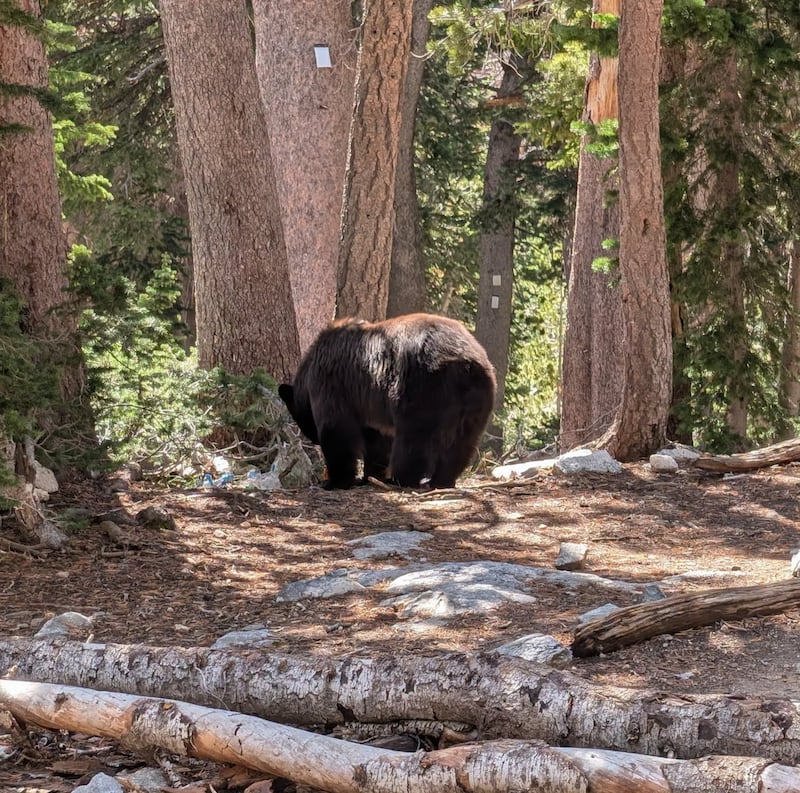
“We need to be clear—this bear was lethally removed because of poor decisions made by park visitors,” the park said in a statement on social media, adding photos of the animal, including tourists getting within feet of the black bear near Delta Lake, seemingly to photograph it.
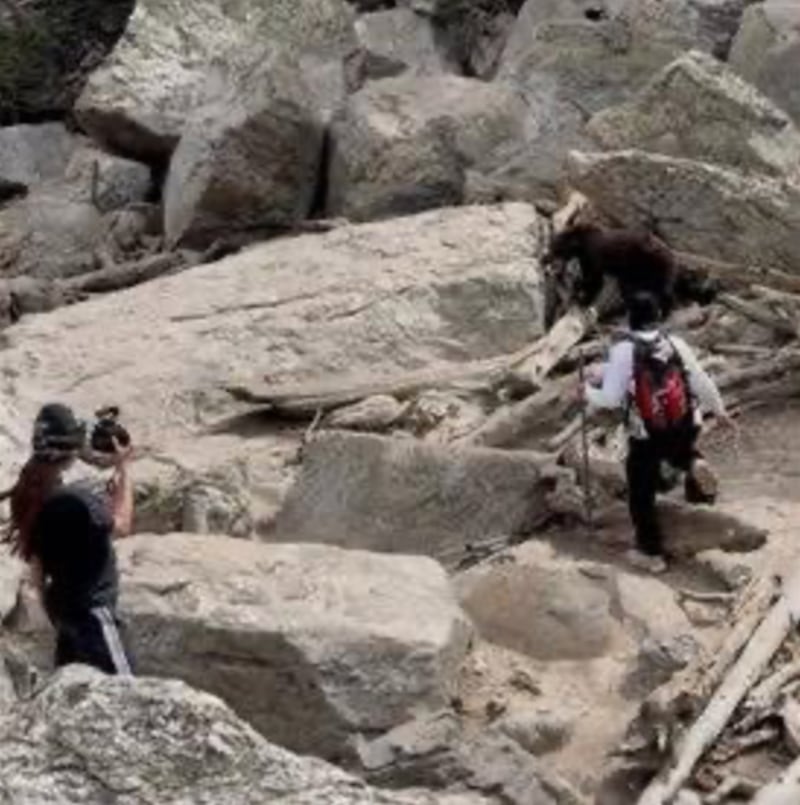
Other photos showed the same bear accessing food, trash and gear abandoned by humans in the same area of the park.
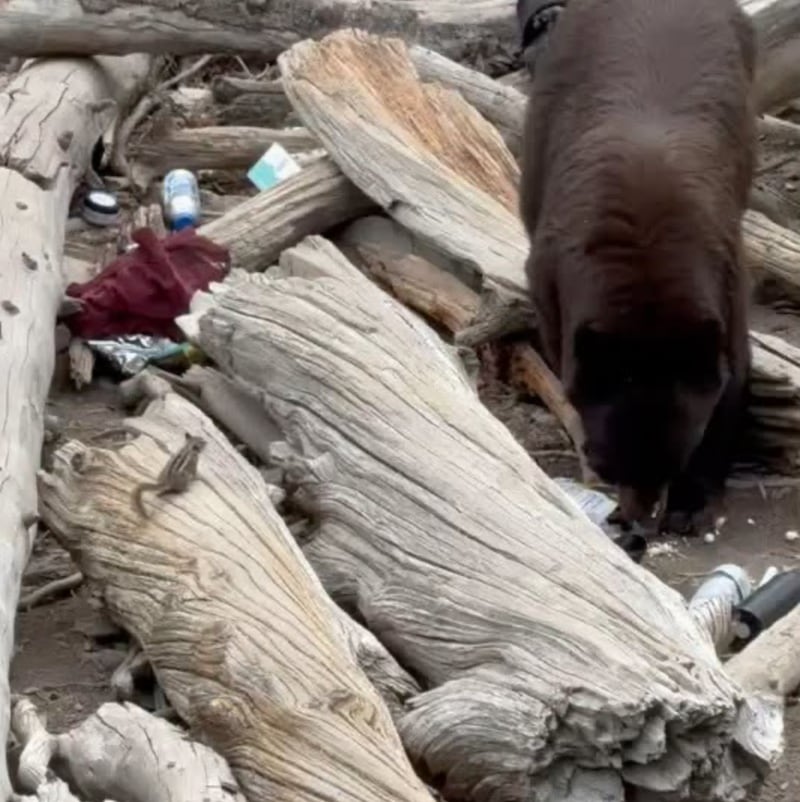
“It is everyone’s responsibility to help keep bears wild: Never leave food unattended, even for a moment,” the park warned.
Earlier this year, park staff had been informed that a black bear was approaching visitors near Delta Lake, one of the park’s most popular tourist destinations. However, last week the park noticed the bear had received “multiple human food rewards” and began repeatedly approaching visitors.
“Park staff increased monitoring in the area and found the bear unusually difficult to haze away, its behavior consistent with conditioning to human foods,” the statement said.
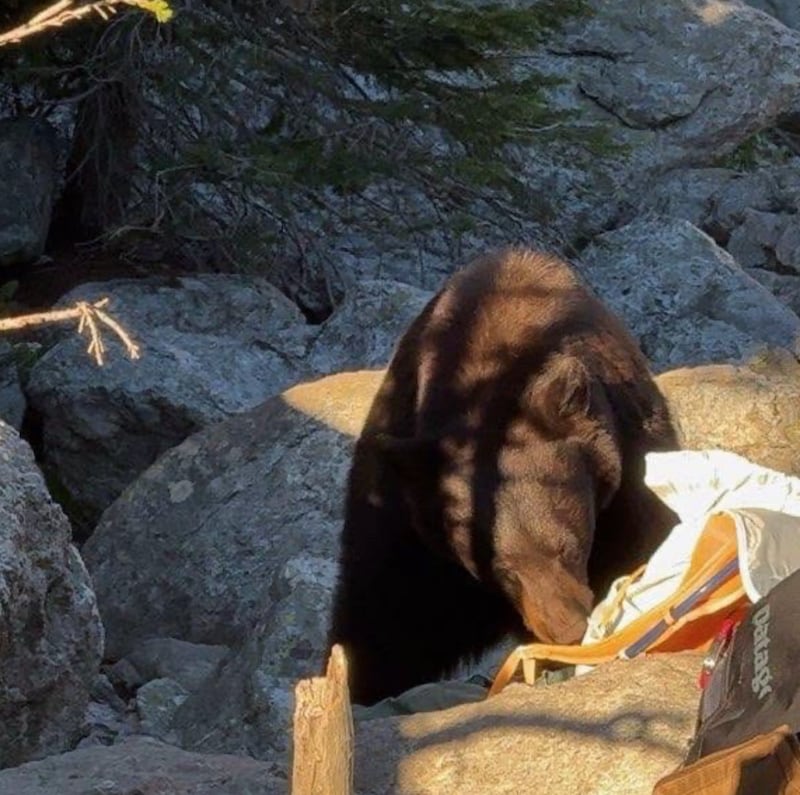
Park managers then determined the continued rewards created an “increasingly food-conditioned behavior” for the bear and that the animal’s proximity to humans created an “unacceptable safety risk.”
Wildlife staff darted the bear, then euthanized it on site.

The park later updated its statement to address questions about alternatives to killing the bear. It said relocating bears in the wild is difficult because they have “strong ties to their home ranges,” and suitable areas with enough natural food and little human activity are increasingly hard to find in the Greater Yellowstone Ecosystem.
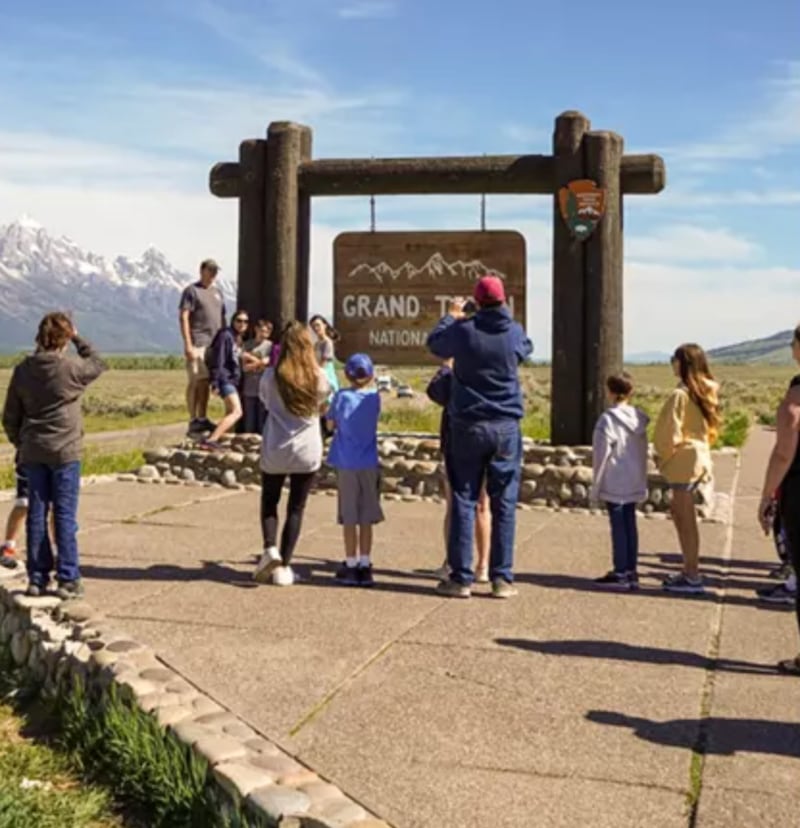
The park is located in the heart of the Greater Yellowstone Ecosystem, near the community of Jackson, Wyoming, and covers 310,044 acres.
Grand Teton National Park Service had 3.8 million visitors last year, with the peak period being June, July, and August.
“After considering the bear’s behavior and the circumstances, wildlife managers determined that other options had been exhausted and the bear posed a clear risk to human safety,” the park sad. “Lethal removal is always a last resort.”
The update also said several visitors to the park received citations for approaching animals and “violating food-storage” requirements.
“Unfortunately, the bear was already food-conditioned and becoming increasingly bold in approaching humans, limiting the available options,” the park stated, asking guests to alert staff if bears approach humans so staff can take ‘preventative measures’ to avoid food conditioning.
That included sealing food containers or putting them away if they see a bear coming towards them.
“A bear that gets a food reward can learn that approaching people pays off,” the park said. “What may seem like a small decision in the moment can have serious consequences for the bear, other visitors, and park staff. Help us keep bears wild by making the right choice every time.”
The Daily Beast has contacted the National Park Service and Grand Teton National Park for comment.