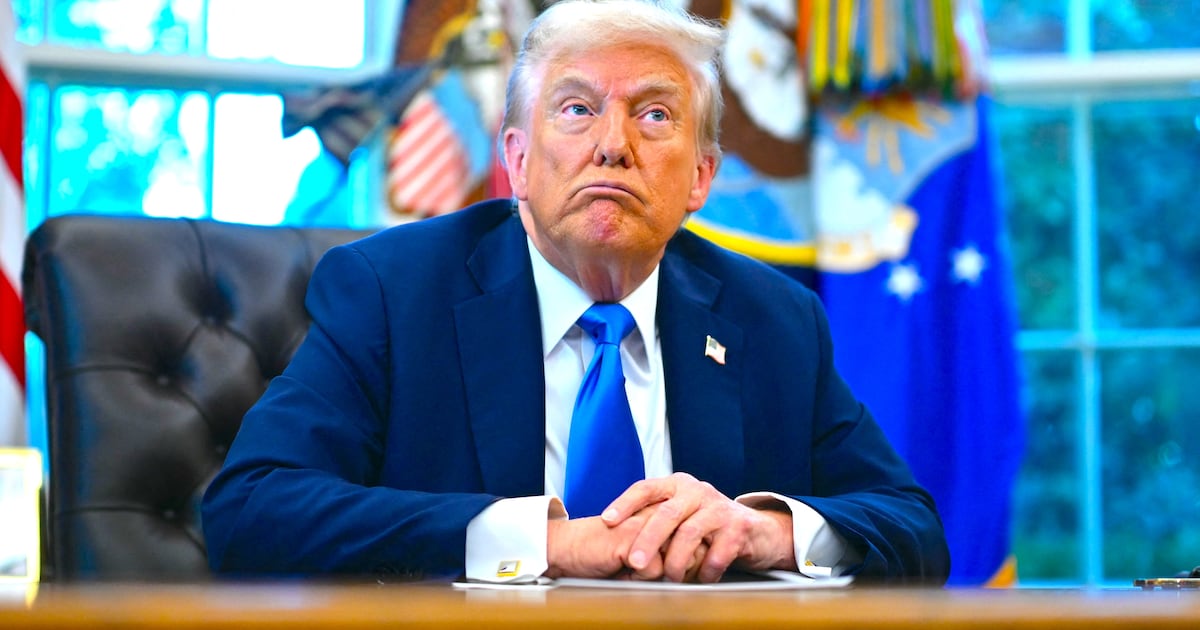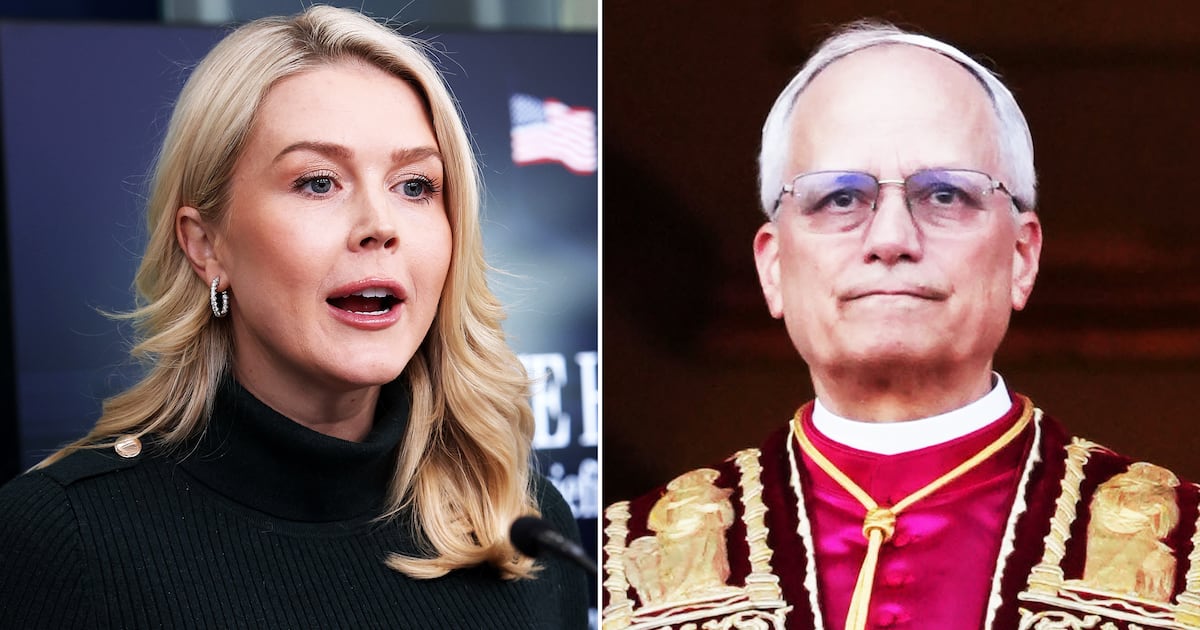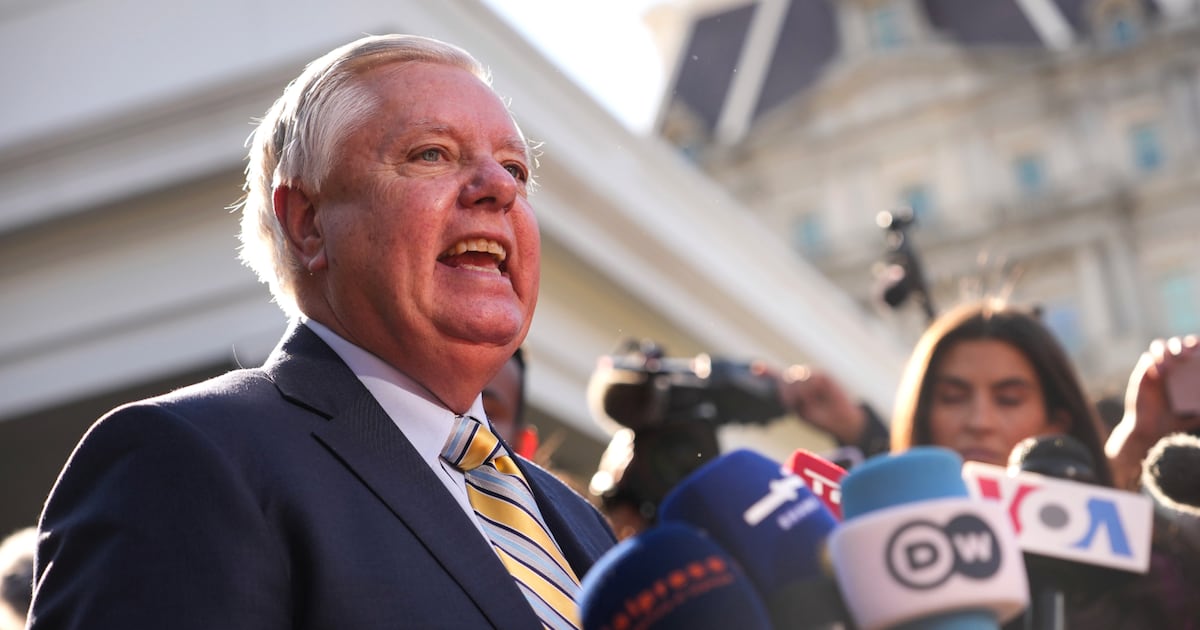
Pope Leo has hit out at President Donald Trump’s Russia-Ukraine peace proposal and has warned that the administration risks destroying the longstanding alliance between Europe and the United States.
As Ukraine faces growing pressure from the U.S. to accept major territorial losses and other concessions as a trade-off for Russia to end its years-long incursion, the pope has weighed in with a stinging rebuke to America’s approach.
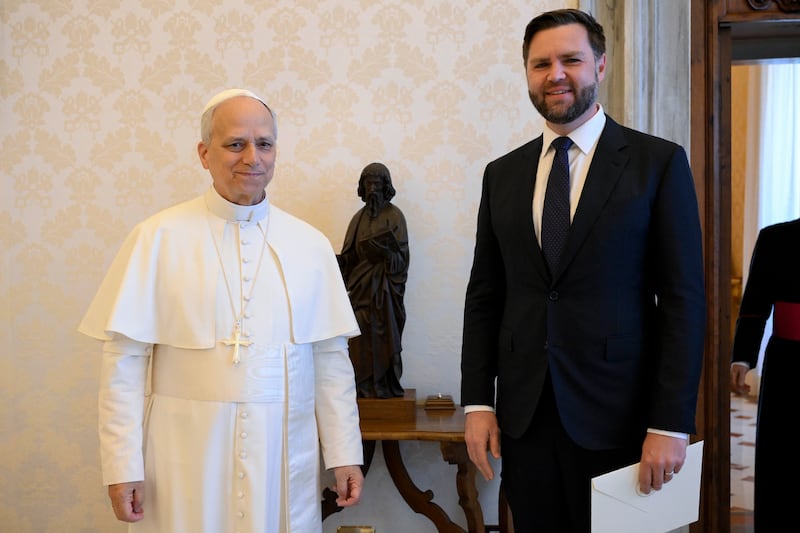
“Unfortunately, some parts of it that I have seen make a huge change in what was, for many, many years, a true alliance between Europe and the United States,” he said after meeting with Ukrainian President Volodymyr Zelenskyy.
“The remarks that are made about Europe, also in interviews recently, I think are trying to break apart what I think needs to be a very important alliance today and in the future.
He added: “Trying to reach a peace agreement without including Europe in the discussions is not realistic.”
The comments are not the first time Pope Leo has challenged the Trump administration’s policy positions.

In October, days after Trump described climate change as “the greatest con job ever perpetrated on the world,” the American-born pope declared that world leaders should “act with courage” on the issue.
This resulted in MAGA Republicans hitting out and calling him a “woke pope.”
He has also repeatedly raised concerns about the treatment of immigrants under Trump’s deportation strategy, raising the ire of the White House.
“This administration is trying to enforce our nation’s laws in the most humane way possible, and we are upholding the law,” Press Secretary Karoline Leavitt, a Catholic, told reporters.
“We are doing that on behalf of the people of our country who live here.”
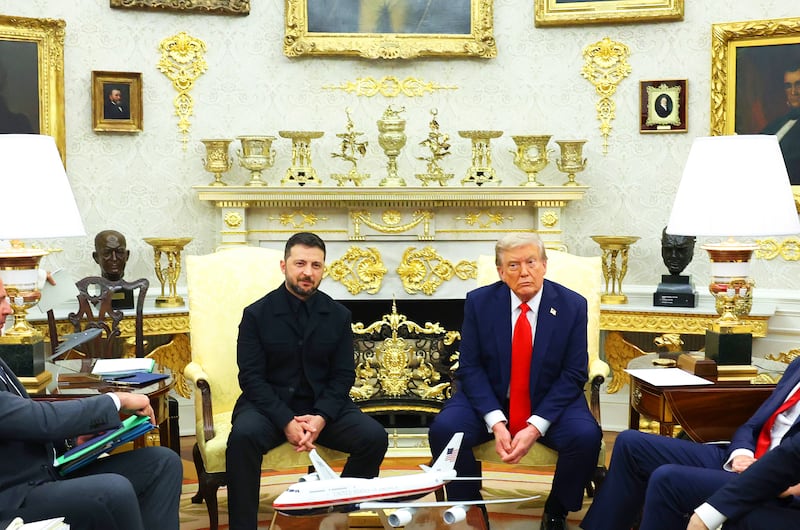
But Trump’s attempts to broker a deal between Russia and Ukraine are sensitive for the administration, which has come under fire for pushing a plan that critics say not only sidelines European allies but also favors Russian demands.
Last week, the administration also released a controversial new U.S. national security strategy, which seeks to improve U.S.-Russia relations.
The role of Trump’s special envoy Steve Witkoff in the peace efforts for Ukraine has also come under scrutiny amid reports that he coached Yuri Ushakov, the foreign affairs adviser to Russian President Vladimir Putin, on how Russia’s leader should pitch Trump on the Ukraine peace plan.
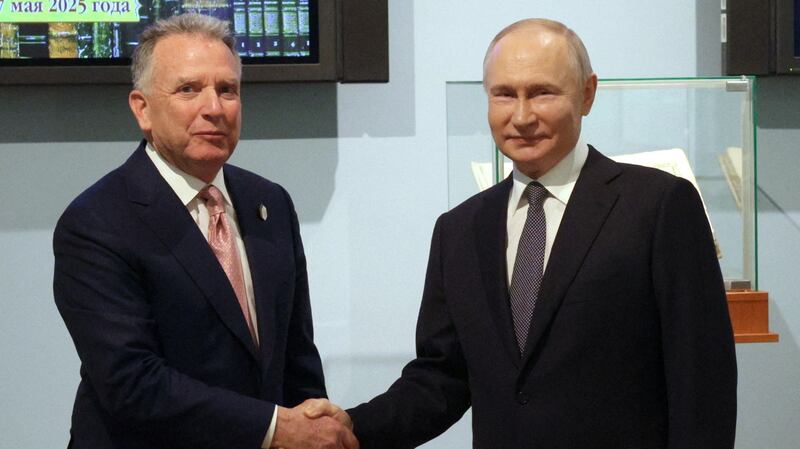
And while Russia claims it would welcome the push to end the war, it has continued attacking Ukraine and reiterated its demands, indicating a deal is a long way off.
The president’s frustration over the issue came to the fore again this week during an interview with Politico, when he derided European leaders as talkers who “don’t produce” and declared that Zelenskyy has “to play ball” because “Russia has the upper hand.”
Asked if European countries would continue to be U.S. allies, Trump demurred: “It depends,” he said, criticizing Europe’s immigration policies. “They want to be politically correct, and it makes them weak.”
Zelensky said he would speak with the Trump administration on Wednesday to discuss elements of a revised peace plan, which he says will be delivered to the U.S. soon.
“This week may bring news for all of us—and for bringing the bloodshed to an end,” Zelensky posted on the social media site X.
“We believe that peace has no alternative, and the key questions are how to compel Russia to stop the killings and what specifically will deter Russia from a third invasion.”