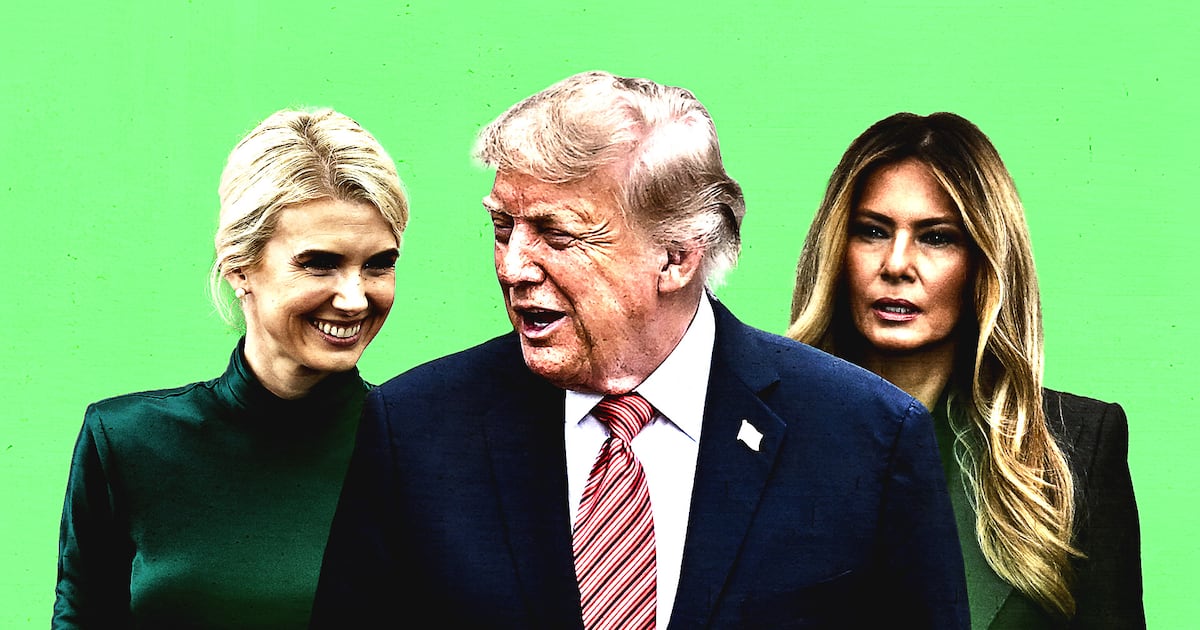
Pope Leo XIV took a veiled shot at President Donald Trump while talking about his home country and immigration.
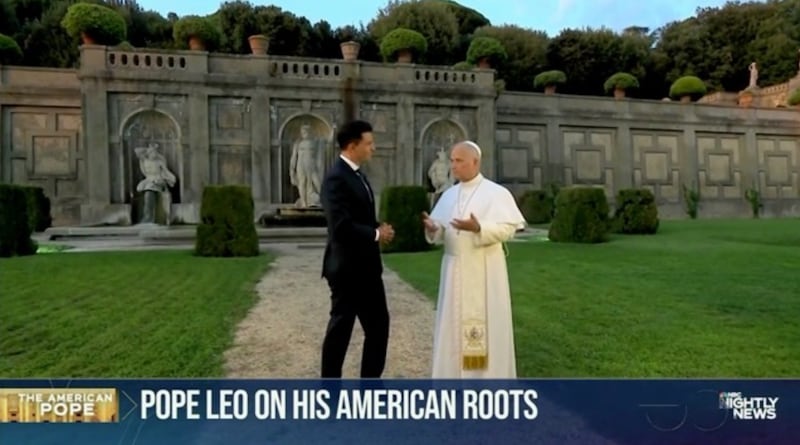
In an NBC News interview that aired Wednesday, Leo, 70, was asked what he loves about America, and explained that his lineage has given him much to appreciate.
“So many things. In a sense, speaking about principles, what America stands for, the sense of freedom, the sense of opportunity, the sense of having invited for generations people from around the world to be part of America,” he told anchor Tom Llamas in the Borgo Laudato Si’ papal gardens outside Rome.
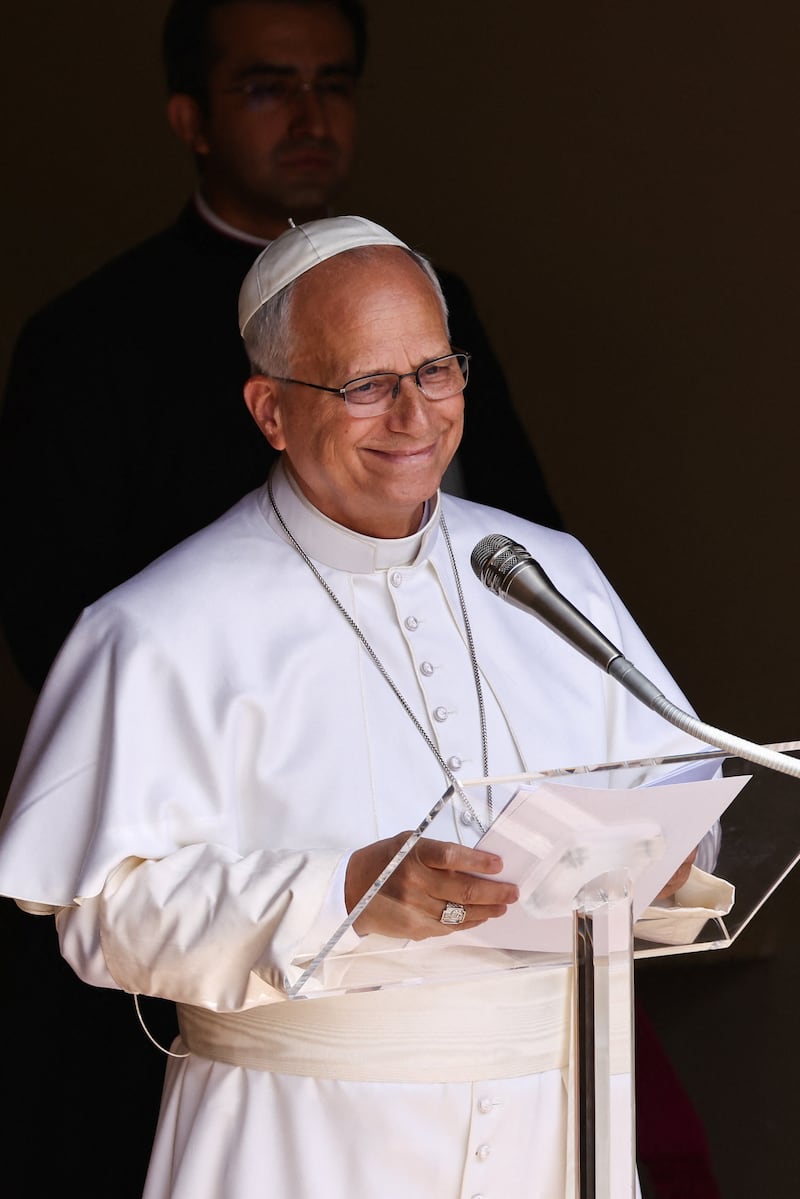
“I come from a family that—my grandparents were immigrants. On my mother’s side, we have people who were both slaves and slave owners,” he added, referring to a genealogical study conducted last year. “There’s a history of, if you will, growing up in the kind of experience that helps me to recognize myself, one of the greatest wealths of the United States, and I continue to hold the principles that have been a part of being American for so many years, that that will continue.”
While NBC’s Lester Holt exchanged brief remarks with Leo during an international journalist gathering last year, Wednesday marked the religious leader’s first U.S. television interview since becoming pope, Status noted. His comments come amid Trump’s periodic attacks on the Catholic leader over immigration, having called him “weak on crime” and “terrible for foreign policy.”
Leo, who has also been lectured to by adult Catholic convert JD Vance, has maintained that the Trump administration’s immigration policies have been “inhuman,” adding that he has “no fear of the Trump administration, or speaking out loudly of the message of the gospel, which is what I believe I am here to do, what the church is here to do.”
The White House did not immediately respond to a request for comment.
Despite Trump’s tough talk about the pope, the White House extended an invitation to the Chicago native to attend the country’s 250th anniversary celebrations in Washington.
Instead, the Vatican announced that he would go to Lampedusa, Italy, the country’s southernmost point and the first stop for those migrants who manage to survive the trip across the Mediterranean.

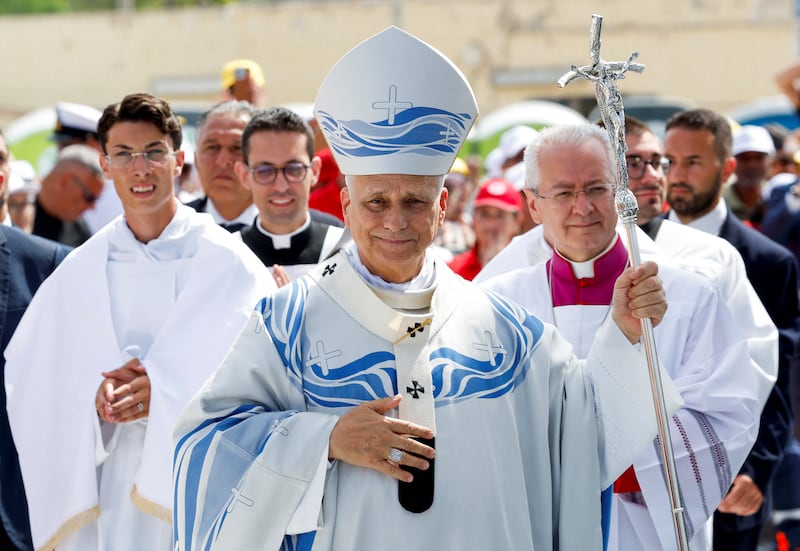
“An American pope—the first in history—who on July Fourth, the national holiday of the United States, chooses not to celebrate the birth of a nation and its borders but to stand on the wounded threshold of the Mediterranean,” Rev. Antonio Spadaro, undersecretary of the Vatican’s Dicastery for Culture and Education, told the Washington Post at the time. “This, in itself, is already an unofficial statement.”
“This journey comes at a moment when the United States has made the closing of its doors to migrants a banner, and an American pope knows this all too well,” Spadaro added. “His choice is not a head-on polemic—Leo does not point fingers—but a counterpoint. He reminds everyone that the dignity God gives to every person comes before the border.”
Leo also wrote a letter to the U.S. ahead of the anniversary on how, as a Catholic, “safeguarding human life” also means “welcoming, protecting and assisting immigrants.”
Doing so “with compassion and generosity is not only an act of charity, but also a recognition of the dignity that belongs to every human person,” he wrote.