
The dragon won.
Mr. Justice Nicklin on Tuesday totally dismissed Prince Harry and friends’ privacy claim against Associated Newspapers, publisher of the Daily Mail and Mail on Sunday, on every count, ending the Duke of Sussex’s six-year war on the British tabloids not with the crowning triumph he had scripted but with the most complete, expensive, and self-inflicted humiliation of his litigious career.

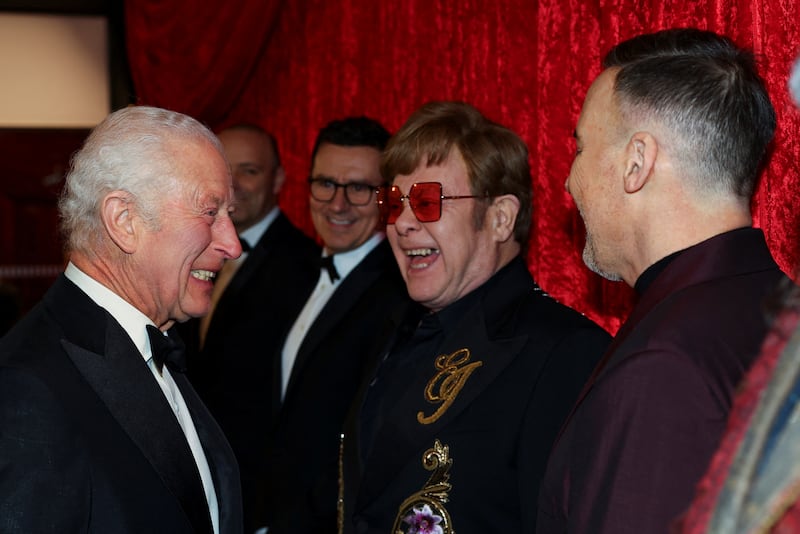
The claims of his six co-claimants Sir Elton John, David Furnish, Baroness Doreen Lawrence, Elizabeth Hurley, Sadie Frost, and Sir Simon Hughes were also dismissed on ALL counts in what one Mail source called a “slam dunk” ruling.
It is hard to overstate what this defeat means to Harry, because he told us himself, under oath and close to tears.
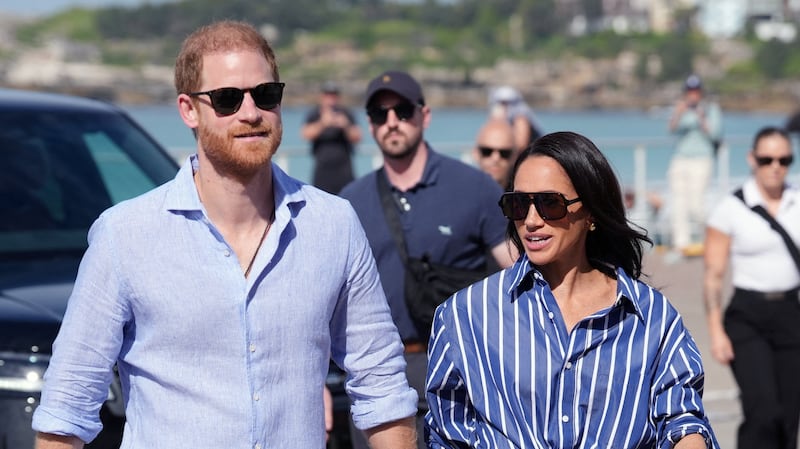
This was the big one: the case against the newspaper group he blames above all others for the hounding of his mother and the persecution of his wife.
“They continue to come after me, they have made my wife’s life an absolute misery, my Lord,” he said from the witness box in January, describing press intrusion that left him “paranoid beyond belief.”

He beat the Mirror in 2023 ($188,000 in damages and a finding that unlawful activity there was extensive) and extracted an unprecedented apology plus a reported eight-figure settlement from Rupert Murdoch’s News Group in January 2025.
The Mail was the last dragon and the one he wanted dead most. Instead, the Mail fought (the only one of the three that refused to fold), and the Mail won, on everything, and it will spend the rest of Harry’s life reminding him of it.
So how did the most expensive and complex privacy case in British legal history, brought by a prince, a pop legend, and the mother of Stephen Lawrence, fall apart so totally?
Three ways: The star witness crumbled, the supporting cast wobbled, and Harry got into the witness box.
The entire architecture of the case rested on Gavin Burrows, the private investigator whose 2021 witness statement claimed he had been commissioned by the Mail on Sunday to hack and blag his way through the claimants’ lives hundreds of times between 2000 and 2005.
Then Burrows took the stand, for the Mail, and testified that his original statement was “absolutely incorrect,” that he never worked for the Mail titles, that the statement bearing his name had been fabricated by the claimants’ side, and that his signature was forged.
Nicklin repeatedly pressed David Sherborne, the claimants’ barrister, on what would be left of the case if the Burrows statement fell. Antony White KC, for the Mail, supplied the answer: the most serious allegations, the very basis on which Harry, Elton, Hurley, Furnish, and Lady Lawrence had been persuaded to join the claim, had “effectively fallen away.”
Around the collapsing star witness swirled counter-allegations that the Mail’s lawyers pressed with relish: claims of “fraud, dishonesty and professional misconduct” against the claimants’ side, including accusations that legal researchers Graham Johnson and Dr. Evan Harris had paid witnesses for testimony.
The claimants came to court accusing the Mail of criminality; they spent an uncomfortable amount of the trial defending the provenance of their own evidence. (One plank, an allegation that the Mail commissioned a burglary against Lady Lawrence, was struck out before the trial even began.)
Then there was Harry himself.
The duke’s day in the witness box in January was meant to be his moment of vindication; it turned into a case study in why his lawyers might have preferred he stayed in Montecito.
He was bullish, sarcastic, and arrogant, describing the 14 articles at the heart of his claim (published between 2001 and 2013, mostly about his pre-Meghan love life) as “disgusting” and “creepy,” declaring that having to listen to the Mail argue its case was itself “disgusting,” and delivering a fresh tirade against “the Institution” of the royal family, which he said had forced him to perform for journalists.

At one point Nicklin himself had to remind the duke that a witness does not have to argue his point, merely answer the questions; Harry replied: “I just want you to have an idea of what it is like living in this world.”
When White put it to him that his famously “leaky social circle” was the true source of the stories, Harry was absolute: “My social circle was not leaky. I want to make that absolutely clear.”
When shown evidence of routine palace-press dealings (a Royal Communications official emailing the Daily Mail’s Rebecca English about one of his ex-girlfriends), he insisted such channels existed only “for things that affect the institution. My love life? No.”
And on leaving court he issued a statement declaring “Today we reminded the Mail Group who is on trial and why,” which drew the withering response from ANL that it is for the judge, not Prince Harry, to decide what to make of a witness’ evidence.
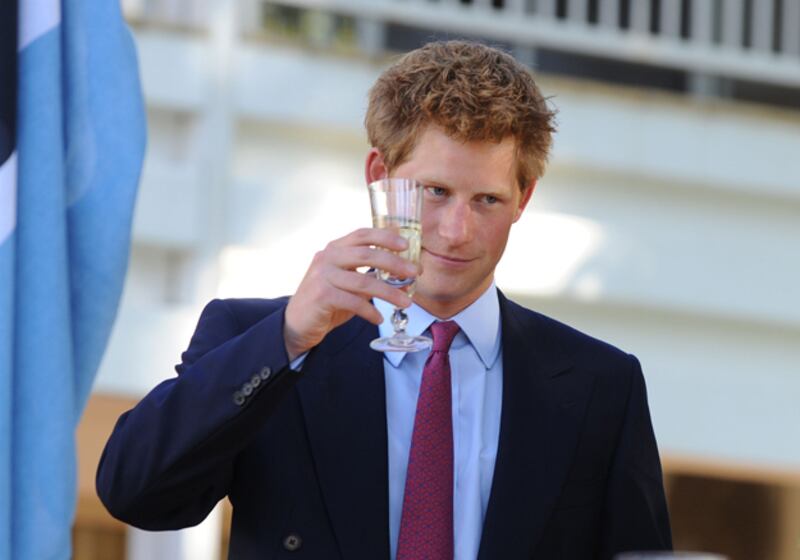
But the moment that truly sunk him (and the reason nobody at Associated Newspapers could quite believe their luck) came courtesy of Charlotte Griffiths, the Mail on Sunday’s editor at large.
Harry testified that he had met Griffiths precisely once, at a party, and cut off contact the moment he realized she was a journalist; he also told the court he had “never used the name Mr Mischief” on Facebook.
The Mail then produced the receipts: a warm, flirtatious message chain from December 2011 and January 2012 in which Harry (addressed as “Mr Mischief”) added her as a Facebook friend, sent her his phone number, called her “sugar” and “Griff,” signed off “mwah” with kisses, complained about having to beg strangers for charity money over dinner, and lamented missing “our movie snuggles!!”
The man suing a newspaper group for invading his private life had, it turned out, been cheerfully snuggle-texting one of its journalists, and then given the High Court an account of the relationship that his own messages flatly contradicted.
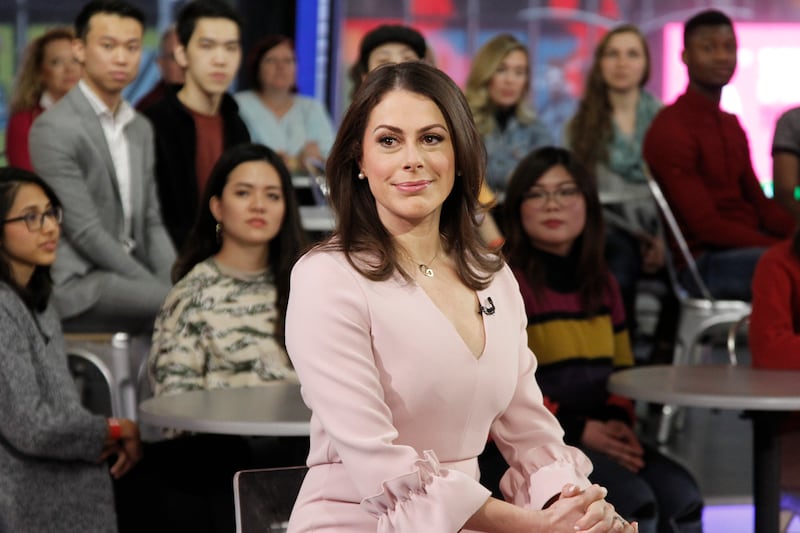
Her fellow witnesses compounded the picture: Katie Nicholl, another Mail journalist, testified that young Harry had invited her to a party. The portrait that emerged was not of a hunted man and a criminal newsroom but of a prince who partied with the press when it suited him, briefed it through palace channels when it suited him, and sued it when it suited him.
Against all this, the Mail put up the full roster: Paul Dacre, the Daily Mail’s editor from 1992 to 2018, whose Leveson-era insistence that there was no phone hacking at the Daily Mail the claimants had effectively accused of being perjury; former Mail on Sunday editor Peter Wright; royal editor Rebecca English; crime editor Stephen Wright; Nicholl; and Griffiths. All were called liars by implication. All have now been vindicated by a High Court judge, and the Mail’s front page will make sure the world knows it.
Now comes the bill. This was an 11-week, 45-day trial, running from January 19 to March 31, with combined actual costs estimated at up to $53.4 million (the two sides filed budgets of $25 million and $26.6 million, sums Nicklin branded “manifestly excessive,” approving recoverable budgets of roughly $5.5 million and $5.9 million).
Under the loser-pays rule, Harry and his co-claimants must now bear their own colossal spend and pay millions toward the Mail’s. And there is a live grenade still rolling around the courtroom floor: If Nicklin makes findings of serious misconduct over the fabricated-statement allegations, the Mail can seek costs on the punitive indemnity basis, blowing past the cap entirely.
The timing completes the misery, with a symmetry so cruel no screenwriter would dare.
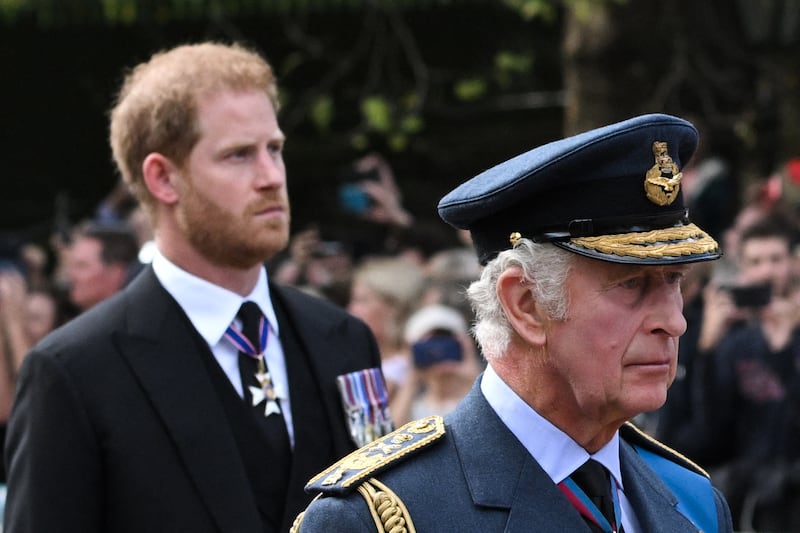
The verdict landed at 2 p.m. Tuesday, delivered by email, while Harry was in Britain on a trip already reduced to farce before it began: The king withdrew the offer of a bed at Buckingham Palace (after Harry missed the deadline to accept, rejected it, then changed his mind), with courtiers alarmed at the very prospect of the monarch hosting his son on the day his own courts ruled on that son’s lawsuit.
Their constitutional squeamishness now looks prescient.
Harry flew home for a week of worthy engagements (Invictus, WellChild, Scotty’s Little Soldiers) and tentative reconciliation. Instead he has had a snub over his accommodation, a self-inflicted fight over his first-night photo op with Misan Harriman, and now a total courtroom defeat by the newspaper he hates most on earth, delivered on British soil, with his family absent and the world watching.
He always said he would rather lose fighting than settle. On Tuesday, he found out what that feels like.
Want more royal gossip, scoops and scandal? Follow all Tom Sykes’ reporting at The Royalist on Substack or listen to The Royalist podcast on YouTube.