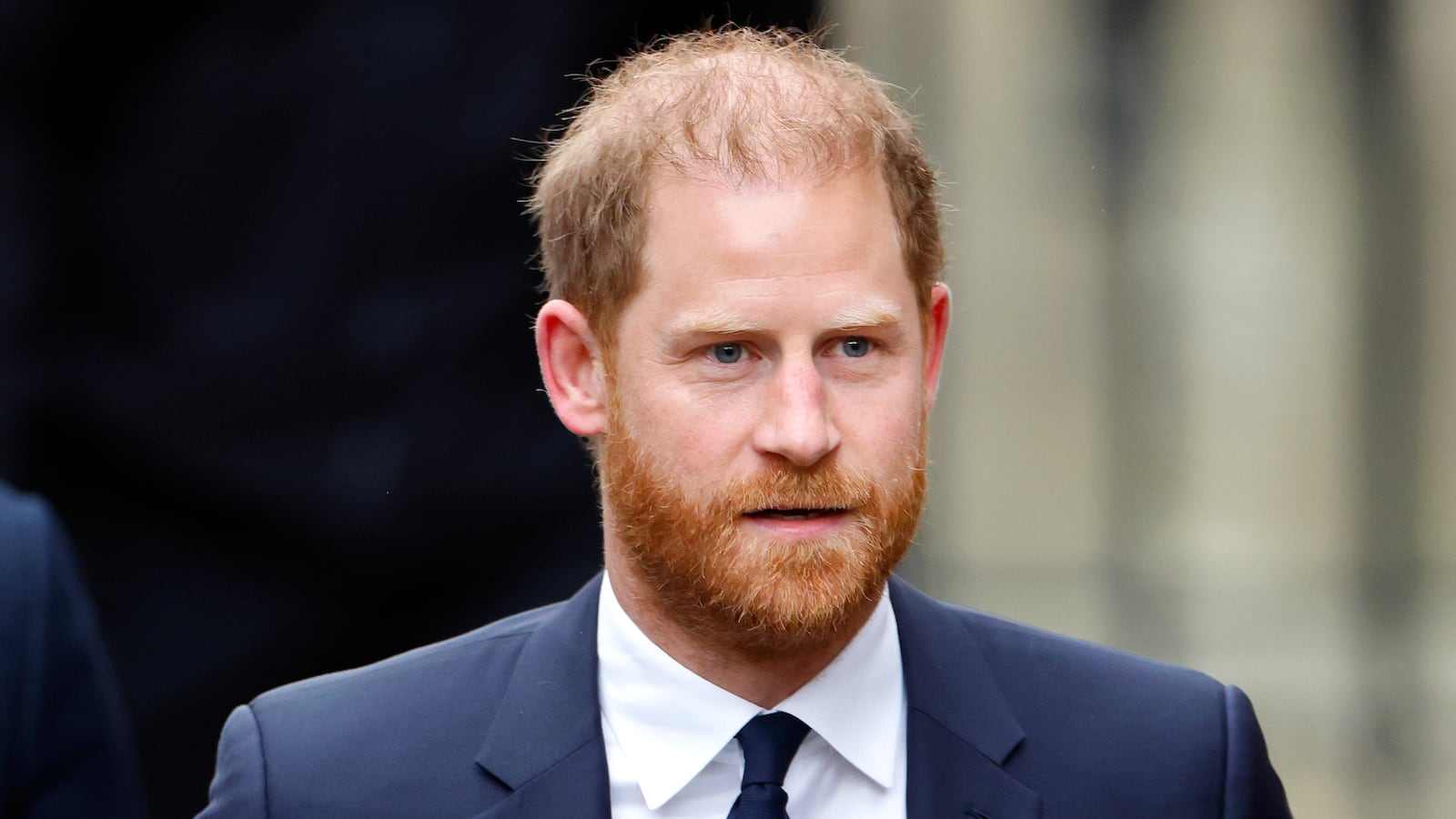
Prince Harry was close to tears Wednesday in a dramatic end of his evidence session at the Royal Courts of Justice in London.
The Duke of Sussex broke down as he told the court that the media had made the life of his wife, Meghan, the Duchess of Sussex, “an absolute misery” in retribution for him “taking a stand against them” through his litigation.
It marked an extraordinary and emotional conclusion to a turbulent day in court, where Prince Harry is giving evidence in his claim against Associated Newspapers Limited (ANL), the publisher of the Daily Mail and Mail on Sunday. He alleges the company used unlawful information-gathering methods to produce 14 stories about him dating back as far as 20 years.
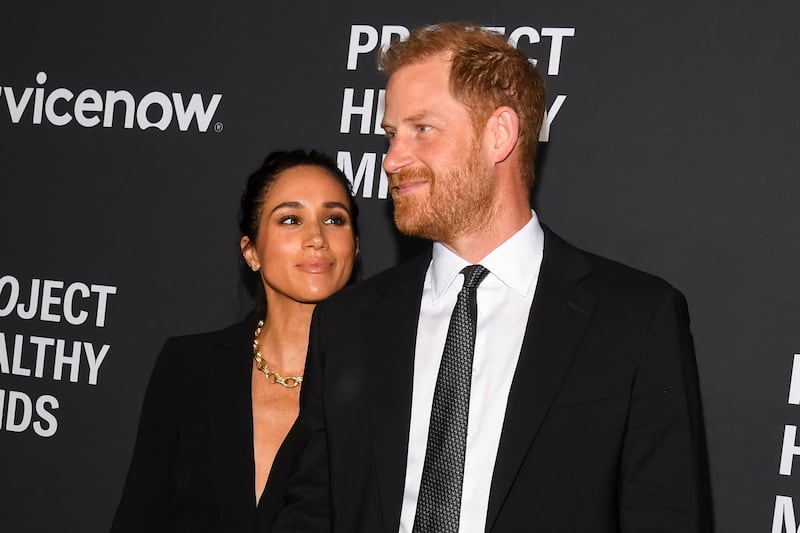
Harry’s day in the witness box began unsteadily. Associated Newspapers brought forward his evidence by a day after taking less time than expected to outline its case, a move that appeared to unsettle him. From the outset, he was defensive and combative, repeatedly bristling under questioning from ANL’s barrister, Antony White KC. The judge intervened several times to urge Harry to remain calm and not to argue with counsel.

White focused heavily on Harry’s 13-page witness statement, released publicly as he was sworn in. Early in the questioning, White asked why Harry had not complained about the articles at the time they were published. Harry replied that he was constrained by his position within the royal institution, citing the maxim “never complain, never explain.”
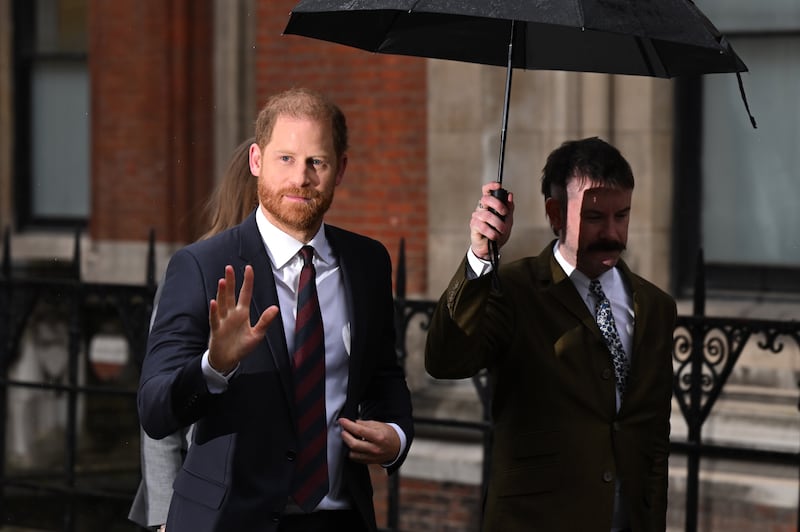
The morning session did little to improve Harry’s composure. He snapped at suggestions put to him, took offense easily, and at one point conceded that he was upset. Tensions rose further when White suggested Harry had a “good relationship” with Daily Mail royal correspondent Rebecca English. Harry openly scoffed, showing visible contempt, particularly when discussing an article she wrote claiming he and Prince William had held emotional discussions over Italian media publishing photographs of Princess Diana shortly before her death. He described the claim as “really disgusting.”

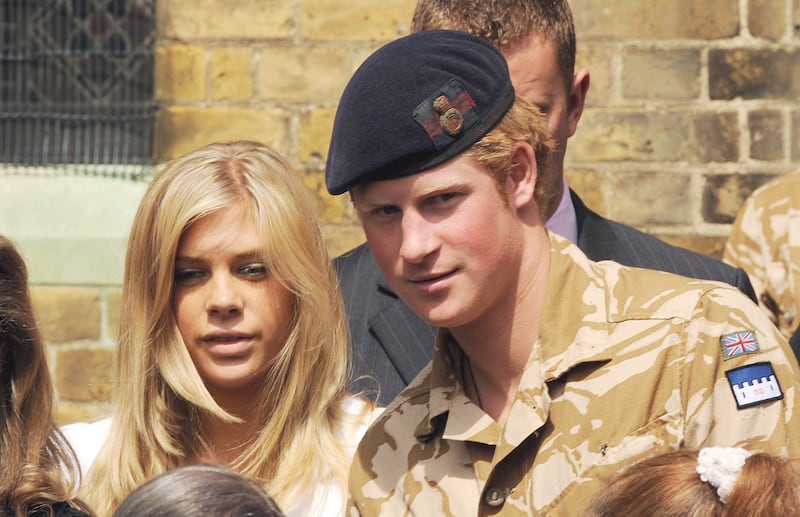
Harry also repeatedly referred to Associated Newspapers as “creepy” for its reporting on his former girlfriend Chelsy Davy.
A significant strand of his case centers on the credibility of royal reporters, particularly Katie Nicholl, now royal editor of Vanity Fair. Harry strongly rejected any suggestion that he was friendly with Nicholl, telling the court she was not part of his social circle and merely appeared at events attended by his friends.
When White suggested Nicholl had obtained information legitimately from a source speaking on the record, Harry became embroiled in a tense exchange with the judge, who cautioned him against trying to argue his entire case from the witness box and reminded him that his lawyers, not he, would make the legal arguments.
After the lunch adjournment, Harry appeared calmer and more controlled. The afternoon session focused largely on timelines, with White seeking to establish that Harry had sufficient knowledge years ago to bring complaints earlier, raising potential statute of limitation issues. Harry responded that, given the “institution” he was then part of, complaining would not have been “acceptable, or even an option.”
There was also discussion of an email Harry sent after a wedding planner connected to his 2018 marriage was burgled, in which he said he could “guarantee” the incident was linked to The Sun or the Daily Mail. White suggested that showed Harry believed unlawful activity was taking place at the time, but Harry made it clear it was a flippant remark and the blow did not land.
White’s cross-examination then ended abruptly.
Harry’s barrister, David Sherborne, began his re-examination by returning to the roles of Katie Nicholl and Rebecca English, underlining Harry’s case that they were central figures in the alleged wrongdoing.
Harry at one stage said: “If Ms. Nicholl’s contacts [with my friends] were so good, why did she have to rely on unlawful information gathering?”
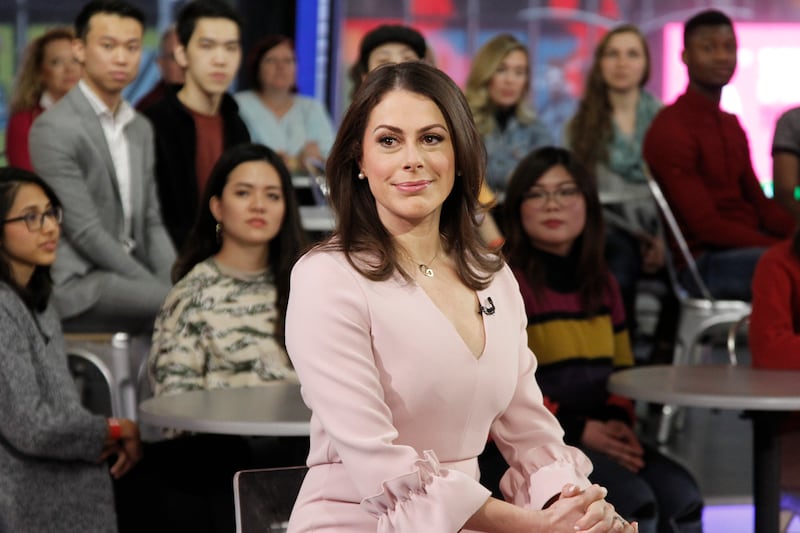
Asked how the experience made him feel, Harry said it was “not great,” describing it as “a repeat of the past, a recurring and traumatic experience.” He said his life had been commercialized since he was a teenager and that he had never believed it should be treated as “open season.”
The emotional climax came when Harry was asked how he felt about Associated Newspapers’ conduct during the litigation. He said matters had “got worse, not better,” adding that all he had sought was an apology and accountability. He described the process as “a horrible experience” and said that by taking a stand in court, the media had continued to target him, making his wife’s life “an absolute misery.”
As he spoke the word “misery,” his voice cracked and he lowered his head. Sherborne then told the court he had no further questions.
Prince Harry’s evidence has underscored how personally he views the case, which he has repeatedly linked to his mother’s legacy and his belief that unlawful media practices remain embedded within parts of the press. While supporters see the case as a principled stand, critics question whether the litigation, much of it focused on events decades old, has achieved anything other than prolonging conflict. Whether Harry himself would choose to embark on the same legal battles again remains an open question.
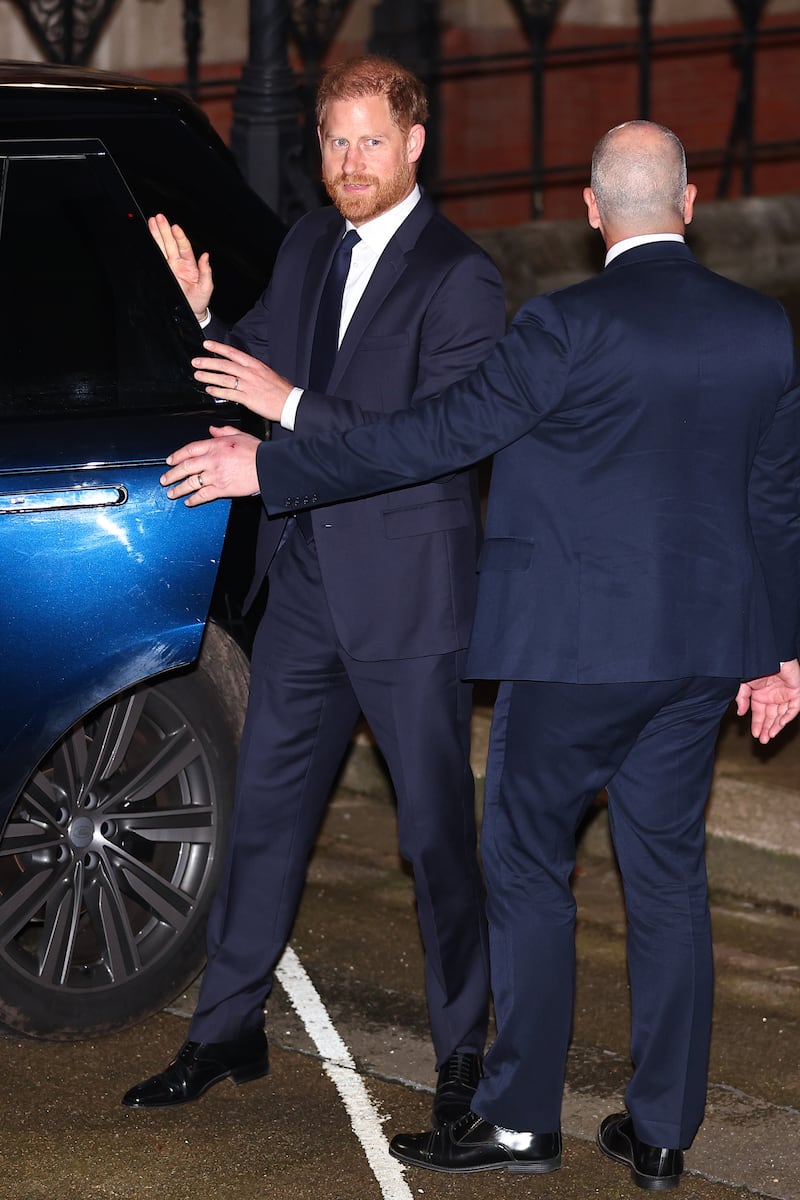
A spokesman for Prince Harry said: “Today’s cross-examination was revealing in its weakness: assertive in tone, but collapsing immediately under scrutiny from Prince Harry. Associated couldn’t wait to get him off the stand, questioning him for just 2 hours and avoiding 10 of his 14 articles entirely.”
Prince Harry said afterward, “Today we reminded the Mail Group who is on trial and why.”
His team pointed out that Harry gave evidence for barely two hours, despite Associated Newspapers Limited’s previous request that it required a day.
Want more royal gossip, scoops and scandal? Head over to The Royalist on Substack.