
Vladimir Putin’s full-scale invasion of Ukraine, which he expected to end in a swift victory, has suffered one of its biggest setbacks in four years after Kyiv launched its largest drone attack yet across a dozen Russian regions.
On Friday, Russia’s Defense Ministry claimed its air defense systems intercepted and destroyed 660 Ukrainian drones overnight. The attacks prompted authorities in Crimea, the Ukrainian peninsula controlled by Russia, to declare a state of emergency.
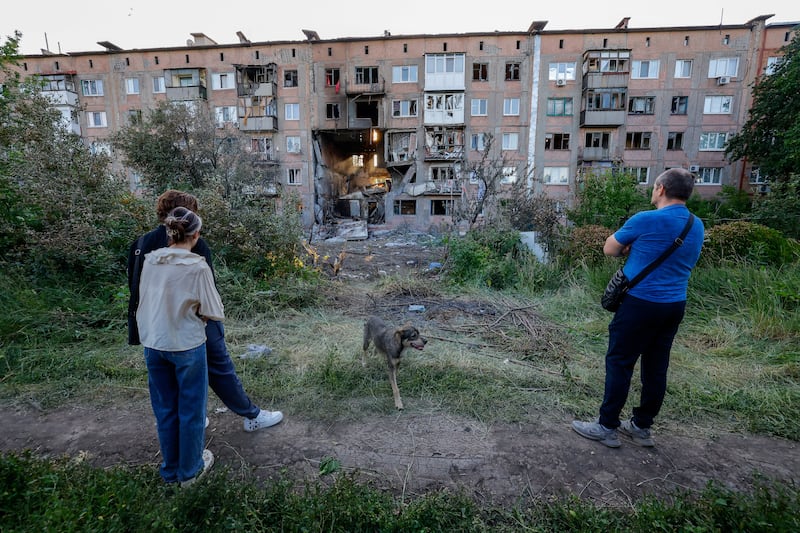
The barrage is the latest in a series of long-range Ukrainian strikes this month that have pushed the war deeper into Russian territory, raising the stakes for Moscow and bringing the conflict home to civilians far from the front lines.
Since the strikes began, Putin, 73, has said Ukrainian drones are “coming in a huge stream” to “destabilize” society, urging his government to respond, while continuing to frame the war in terms that distance him from direct responsibility.
So far, Ukrainian drones have disrupted Russian fuel supplies and military logistics by targeting oil production and energy facilities, slowing Moscow’s war effort and increasing pressure on Putin.

“Ukraine has managed to find the Achilles heel of Russia,” Oleksandr Merezhko, chair of Ukraine’s foreign affairs committee, said on Times Radio Breakfast.
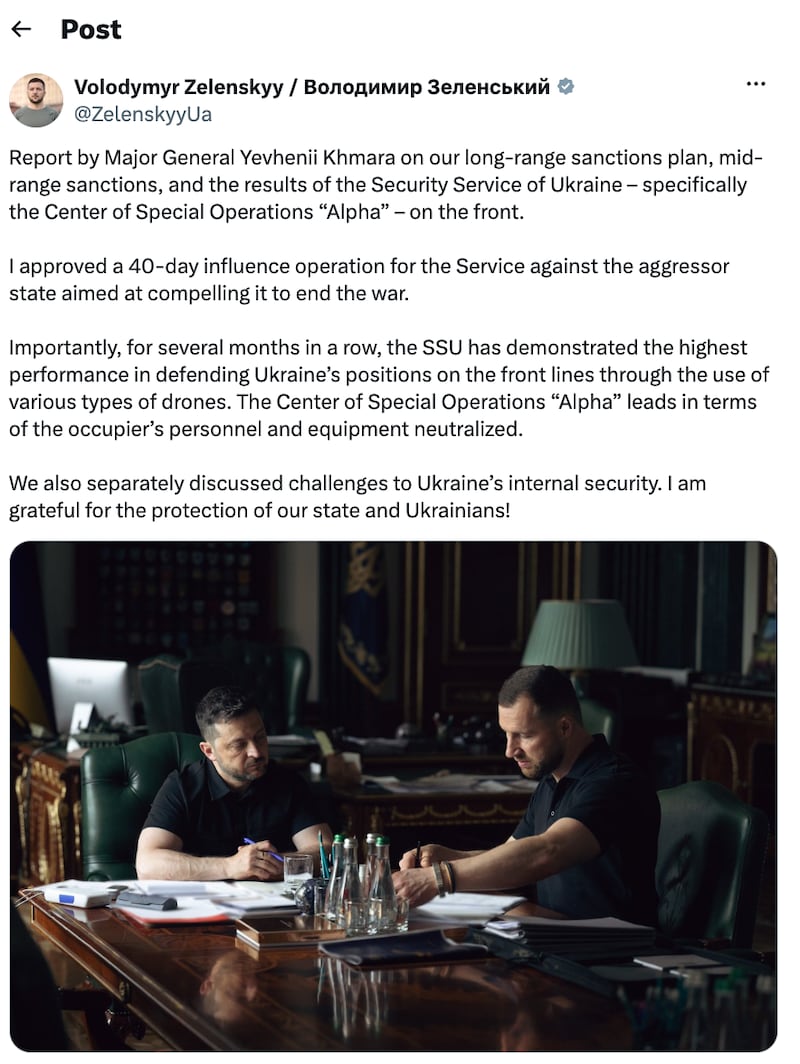
Ukrainian President Volodymyr Zelenskyy, 48, warned on Thursday that he had “approved a 40-day influence operation for the Service against the aggressor state aimed at compelling it to end the war,” shortly before Moscow said it had intercepted overnight strikes.

According to the Kyiv Post, citing Russian monitoring channels, one of the main targets of the Friday attack was the Azot chemical plant in Russia’s Tula region, one of the country’s largest chemical facilities, where residents reportedly heard explosions for several hours.
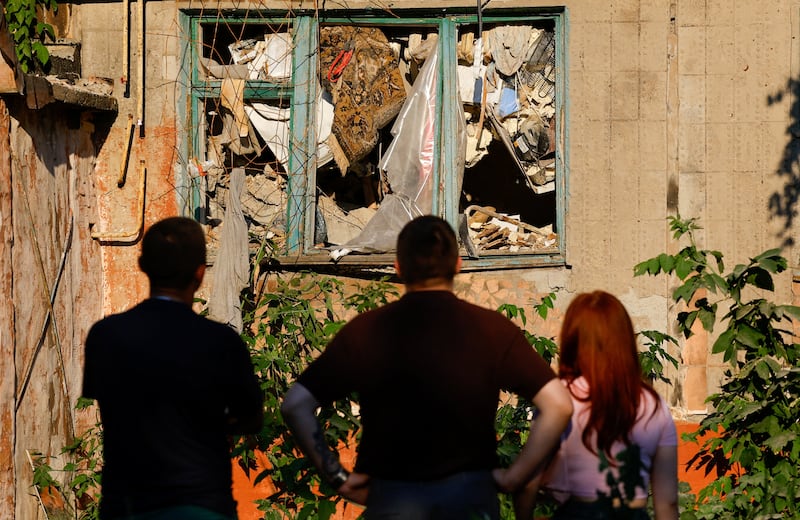
Local social media posts also reported a strong ammonia smell and widespread power outages following the strike, though the claims could not be independently verified. Russia’s Defense Ministry did not report any damage, and the Associated Press said it was unable to confirm the reports.

Last Thursday, Zelenskyy confirmed that Ukraine struck a major oil refinery in Moscow. Putin later said he was ready for “peace talks” as the war he began appeared increasingly likely to go against him, amid airport closures due to strikes, declining public support, and the growing visibility of the conflict’s impact inside Russia.
The following week, former Russian military officer Alexander Lunin addressed Putin directly in a video that quickly racked up millions of views, warning of an armed uprising if the public is not told the “truth” about the war in Ukraine.
“I’m sending a message, nothing more. I’m not the leader of the uprising. They came to me for one simple reason: because I can’t be bought, because the president heard me,” he said.
The Russian president has repeatedly rejected peace deals in the past.
Yet, as military figures begin appealing to him directly and Ukraine claims gains from its strikes, his position could leave him with little room to maneuver.