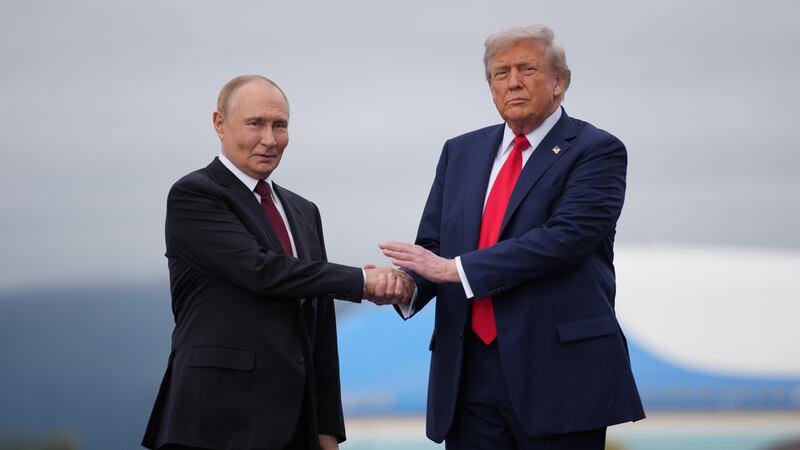
Spooked Russian billionaires are hurriedly moving their money out of the country as President Vladimir Putin’s problems mount.
Putin’s 26-year rule is wobbling, with the mega-wealthy oligarchs fearing that the state of the economy and the government’s finances could lead to them being hit where it hurts most: their own pockets.

They are worried that the state could seize their assets to bolster the country’s ailing finances, according to six wealthy Russians and others familiar with the thinking of several of the country’s billionaires who spoke to Bloomberg.
Several of them have moved additional assets out of Russia of late amid concerns about the banking sector, according to some of those people and documents, including corporate filings and property purchase records reviewed by the publication.
Portfolios held by some of Russia’s wealthiest people have shifted over the last year, with the pace accelerating lately toward cryptocurrency, gold, foreign property, and private investment funds, particularly in the Gulf region, the people said. They were granted anonymity to discuss personal financial arrangements that aren’t public.
Russia’s billionaire class was welcomed in the West for decades, known for splashy business deals, glitzy property purchases, and lavish parties. That changed after Putin ordered the full-scale invasion of Ukraine in February 2022, sending relations with the United States and Europe to their worst point since the Cold War. International sanctions forced many Russian tycoons to move assets back home and re-register their companies there, and many saw their overseas holdings frozen.
But staying home came with its own dangers. Since 2024, authorities have ramped up high-profile asset seizures targeting several tycoons, including some who sought to maintain ties with the outside world, whether through dual citizenship or past official positions. A slowdown in the Russian economy since 2025 has further squeezed their profits and limited their ability to grow their wealth domestically.
It’s hard to put a precise number on informal capital flight, including opaque cryptocurrency transactions that don’t show up in official data. Still, a conservative estimate puts the money leaving Russia outside official figures so far this year in the tens of billions of dollars, according to two people familiar with the investment decisions of several Russian billionaires. That marks an increase over last year, they said.
Fears of confiscation and economic turmoil have driven outflows to resume over the past year, the people said. Still, many wealthy Russians have continued to seek investment opportunities abroad despite the difficulties posed by the war and sanctions. Capital flight has been a persistent feature of the war years overall—Russia’s central bank has said that by one broad measure, roughly $250 billion left the country in the first year of the conflict alone.
The billionaire exodus adds to a run of embarrassments for Putin during a difficult stretch of his tenure. Ukraine has opened a new front in its blockade of Crimea, striking a growing number of Russian vessels near the occupied peninsula as it presses the Kremlin to end the war, using an expanding fleet of long-range drones to carry out its largest campaign in the Sea of Azov since the 2022 invasion.
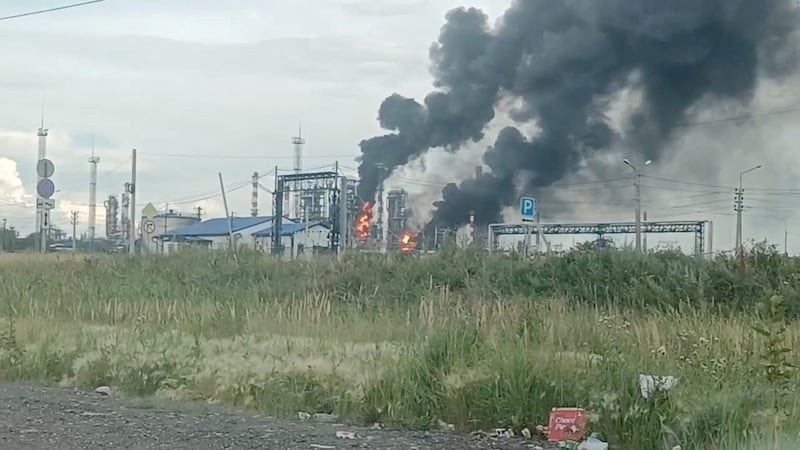
That naval campaign comes on top of a punishing drone war over Russian territory. Defense Ministry briefings compiled by the state news agency RIA Novosti show Putin’s forces were forced to shoot down 64,000 Ukrainian drones during the first six months of the year, with monthly totals surging from around 5,400 in January to roughly 18,000 in June. The barrage has knocked more than 25 percent of Russia’s refining capacity offline, The Wall Street Journal reported, triggering a fuel crisis that has forced the Kremlin to ration supplies and left citizens waiting outside gas stations for up to two days.
Putin’s response has been a promise to build more air-defense systems, an implicit admission that he doesn’t have enough. The fuel shortages have hit roughly 50 million people, about a third of Russia’s population, marking the worst supply failure since the fall of communism.