Foreign tourists are balking at visiting Russia, as Vladimir Putin’s domestic crisis deepens.
The Kremlin demagogue is facing unprecedented pressure as the war in Ukraine hits home and Donald Trump’s war on Iran disrupts energy markets and the global aviation sector.

As the picture gets increasingly bleak, tourists and visitors are taking notice—and staying away, according to figures from Rosstat, the national statistics agency.
Between January and June this year, foreigners made 2.99 million tourist trips to Russia, a year-on-year decline of 19.6 percent, Rosstat reported, despite being a tightly controlled instrument of the Kremlin’s political and economic agenda.
Chinese tourists make up by far the largest share of foreign visitors to Russia, accounting for just over half of arrivals last year under Russian border data. Saudi Arabia is a distant second, followed by Turkmenistan, Turkey, Germany, and the United Arab Emirates. A separate Rosstat methodology, which also counts visits from neighboring countries, similarly ranks China among the top sources of inbound travelers, alongside Kazakhstan and Uzbekistan.
Marina Levchenko is general director of “Tari Tour,” a company based in the capital that offers trips to Moscow and Putin’s hometown, St. Petersburg. She told Russian business daily Kommersant that Trump’s war is to blame for affecting flight programs, as well as negative news about Russia.
Tourists remain wary of reports of a fuel crisis and airport disruptions, Levchenko said, adding that high travel costs are also discouraging visitors. The Association of Tour Operators of Russia likewise identified flight disruptions as the main factor suppressing inbound tourism.
Ukrainian President Volodymyr Zelensky began intensifying drone attacks on Russian oil refineries in mid-June, creating a fuel crisis the likes of which have not been seen since Putin’s rise to power more than 25 years ago, NBC News reported. Crucially for Putin and his favorability rating, the crisis is affecting ordinary Russians.
Gas stations in many regions have taken the unprecedented move of introducing rationing schemes and restrictions, and social media has been flooded with videos of long lines and frustrated drivers.
That has generated negative headlines that, coupled with imagery of drones whizzing over Russia’s biggest cities, may have prompted potential visitors to think again.
The war in Iran had already forced Russia to introduce a ban on gasoline exports, and now, the Kremlin has begun importing petroleum products, according to NBC.
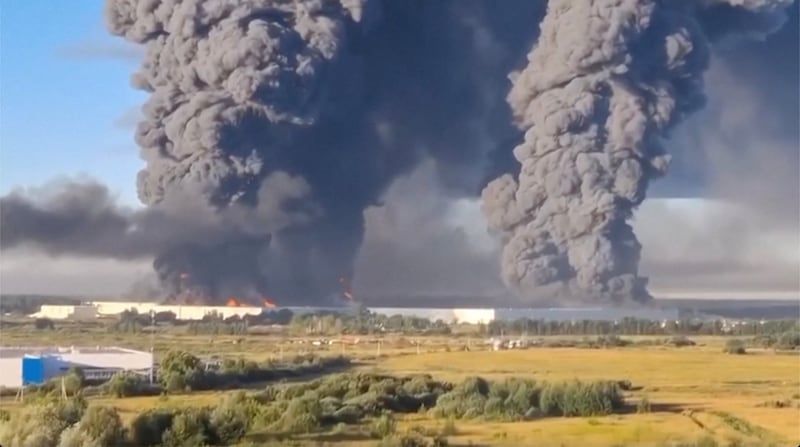
Those worries come as Putin is already facing anger from small business owners after Ukrainian drones destroyed more than $2 billion worth of inventory at warehouses owned by Wildberries, an online retailer that is Russia’s response to Amazon.
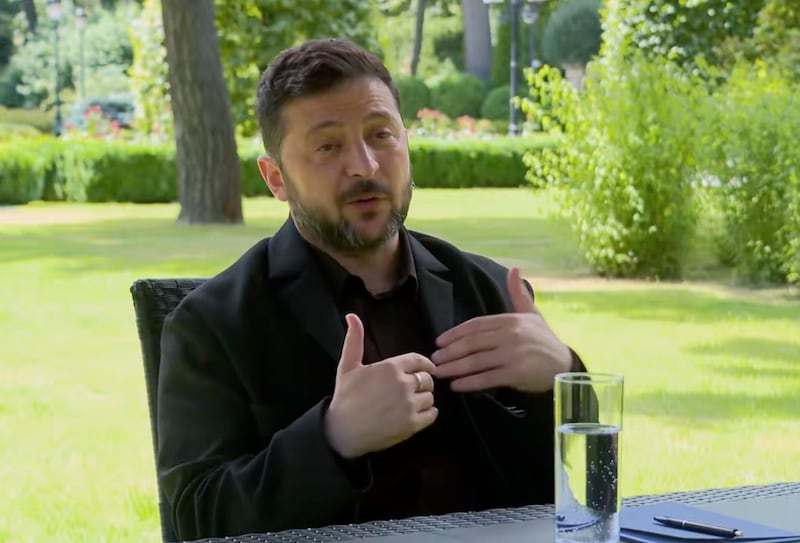
The Russian president has tried to downplay the crisis by saying the shortages are not as critical as local authorities have suggested, and has blamed panic buying for much of the chaos.
The stress is clearly getting to Putin. He scrapped Russia’s Navy Day parade over fears of Ukrainian strikes and then raged to a group of sailors about a revenge fantasy and Soviet dictator Josef Stalin.
After canceling the parade—which was set to feature around 200 warships sailing along the Neva River in St. Petersburg—the president opted for a televised meeting with Navy personnel. In an apparent bid to save face, he angrily predicted that Ukraine would ultimately fall apart, claiming that Russia had actually been the only “guarantor” of Ukraine’s “territorial integrity.” Apart from the eastern regions of Ukraine that Moscow has tried to claim as its own, Putin declared the western regions “a gift from Stalin” and claimed they would “sooner or later” return to Hungary, Romania, and Poland.