
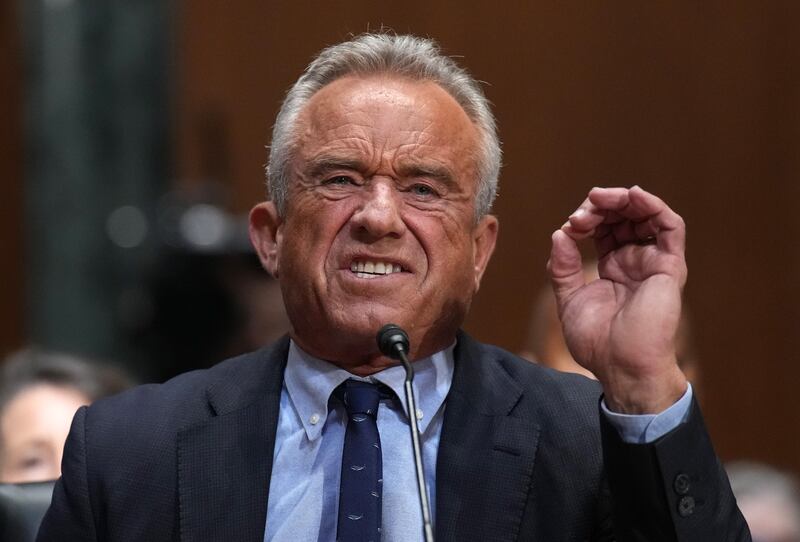
HHS Secretary Robert F. Kennedy Jr.’s Advisory Committee on Immunization Practices (ACIP) voted Friday to end the long-standing recommendation that all babies get vaccinated against Hepatitis B.
The committee, which Kennedy stuffed with at least three known vaccine skeptics, now recommends that parents decide for themselves whether to immunize their children against Hep B.
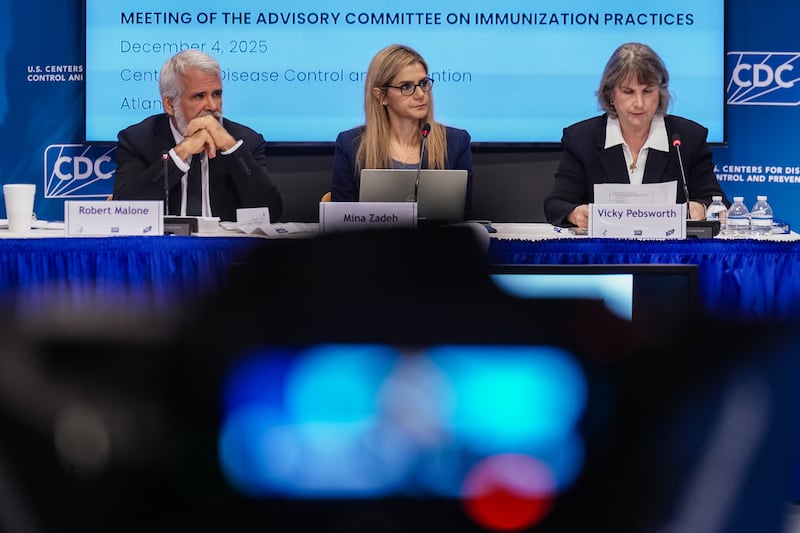
“ACIP recommends individual-based decision-making, in consultation with a healthcare provider, for parents deciding when or if to give the HBV vaccine, including the birth dose‚” reads the committee’s new guidelines.

“Parents and healthcare providers should consider vaccine benefits, vaccine risks, and infection risks. For those not receiving the HBV birth dose, it is suggested that the initial dose is administered no earlier than 2 months of age.”
The committee passed the guidelines in an 8-3 vote in Atlanta, Georgia, on Friday.
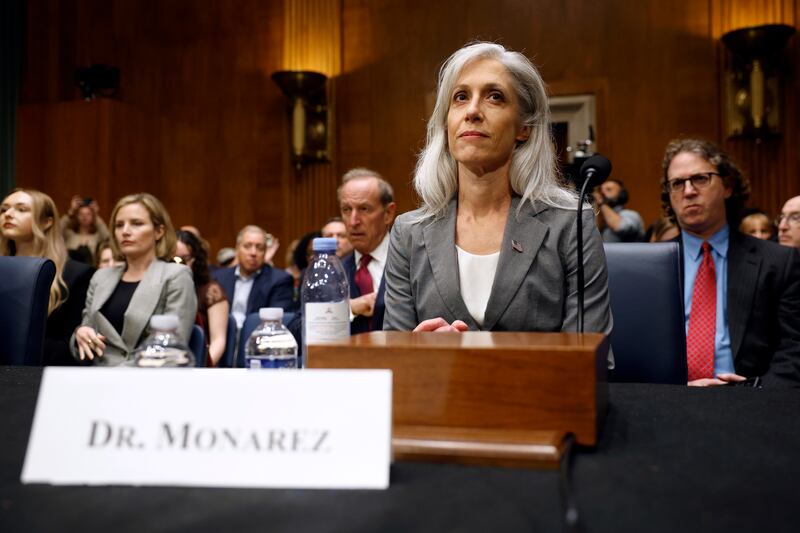
CDC acting director Jim O’Neill will have to decide whether to accept the committee’s new recommendation. Ousted CDC chief Susan Monarez claimed she was fired after 29 days on the job for refusing Kennedy’s insistence that she pre-approve all of ACIP’s recommendations.
In 1991, the CDC adopted the recommendation that infants get three Hepatitis B shots: one on the day of their birth, one between one and two months, and one between six and twelve months.
The new guidelines recommend delaying the first dose until the infant is two months old. Parents are still advised to vaccinate their babies against Hepatitis B on the day of their birth if the mother suffers from the same condition.
Studies show that 90 percent of infants who contract Hepatitis B suffer lifelong liver complications, including cancer, liver failure, and cirrhosis.
Still, ACIP wondered if the birth dose did more harm than good.
While previous studies of the Hep B vaccine proved that it was safe, ACIP’s vaccine skeptics argued that those studies were small and limited in scope, and that larger, long-term studies could uncover a problem with the birth dose.
CDC hepatitis expert Adam Langer told AP that there’s no good evidence to suggest that three shots pose harm to children.
Dissenters on the panel vehemently opposed the new guidelines. Dr. Cody Meissner argued the panel was “making things up,” adding, “It’s like never-neverland.”
“We are doing harm by changing this wording, and I vote no,” he said in his vote.
Fellow dissenting committee member Dr. Joseph Hibbeln called the recommendation “unconscionable.”
Republican Senator Bill Cassidy urged O’Neill to reject the new guidelines, writing, “The hepatitis B vaccine is safe and effective. The birth dose is a recommendation, NOT a mandate. Before the birth dose was recommended, 20,000 newborns a year were infected with hepatitis B. Now it’s fewer than 20.”
“Ending the recommendation for newborns makes it more likely the number of cases will begin to increase again. This makes America sicker,” he added. “Acting CDC Director O’Neill should not sign these new recommendations and instead retain the current, evidence-based approach.”
Cassidy voted to confirm Kennedy to HHS Secretary in January.