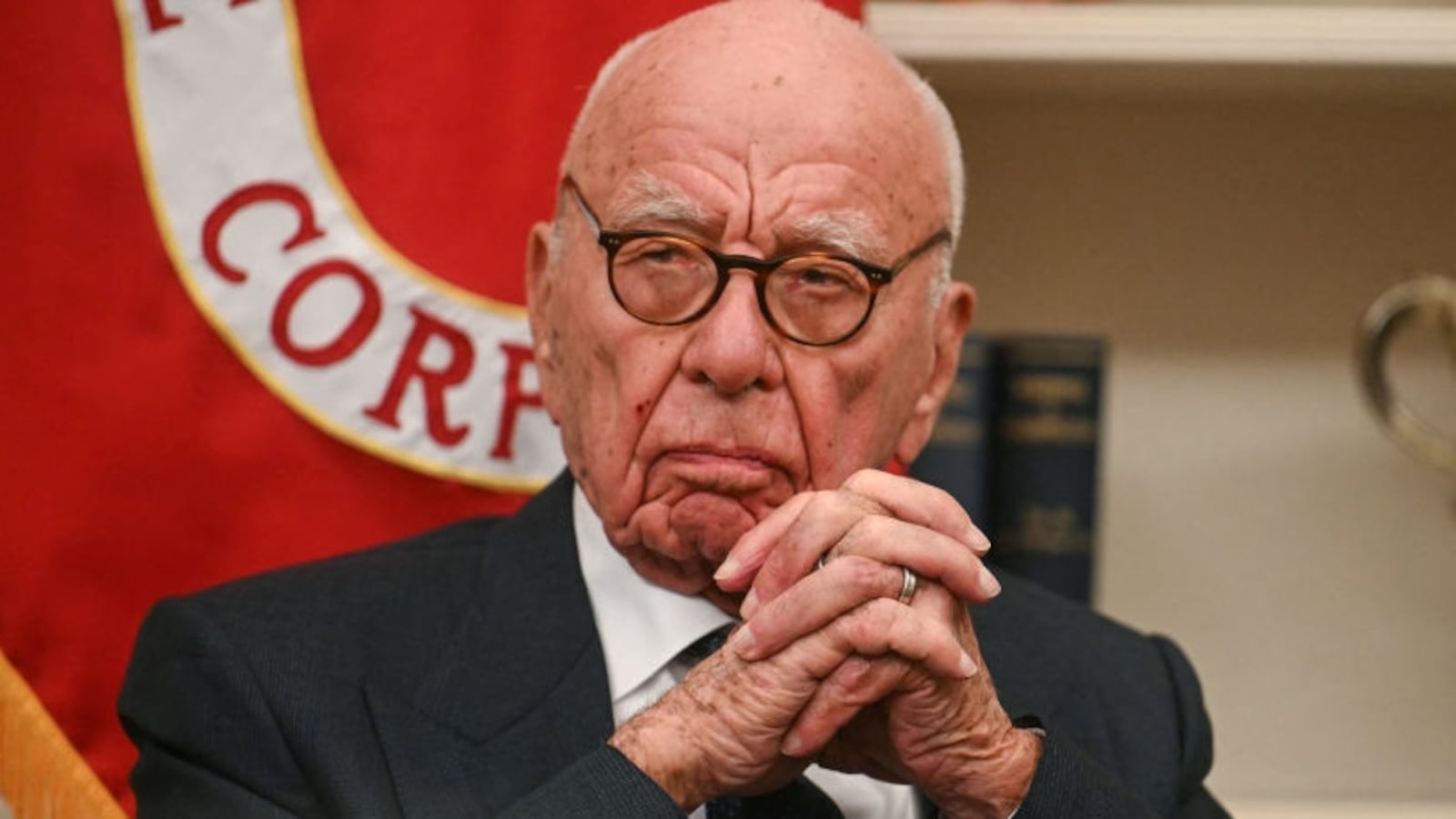
Rupert Murdoch’s Wall Street Journal blasted President Donald Trump’s tariff policy as “self-destructive folly” in response to plans to bail out farmers whose markets the administration has destroyed.
Trump is considering a $10 billion relief package for soybean farmers, who have seen their sales plummet, thanks to the president’s trade war with China, which has hit American soybeans with a 23-percent import tax.

U.S. soybean exports to China totaled 985 million bushels last year, but this year they totaled just 218 million at the start of September, the Journal’s editorial board wrote in a scathing op-ed.
At the same time, American farmers are struggling with a labor shortage thanks to the White House’s mass deportation drive.
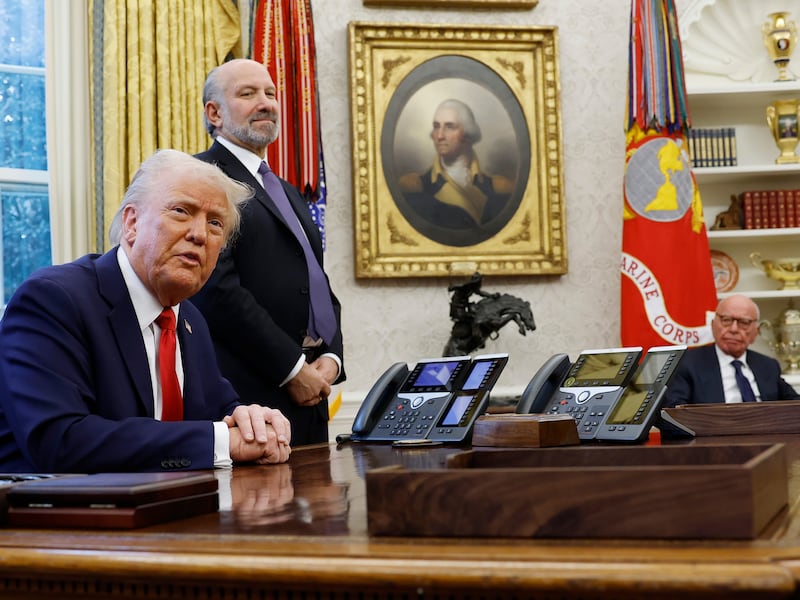
“First, Mr. Trump imposes tariffs that he says only hurt foreigners. But when that turns out not to be true, he takes political credit for payments to offset the damage as if he’s somehow protecting the American farmer. How about not hurting them in the first place?” the Journal wrote.
Throughout his re-election campaign, Trump claimed that tariffs—which are the cornerstone of his economic policy—would be paid by foreign countries. In fact, tariffs are a type of import tax that is paid by American companies, with the costs typically passed on to consumers.
After the president announced in April that he was imposing sweeping tariffs on products from dozens of countries, officials gave conflicting accounts of whether they were supposed to be a short-term bargaining chip for leverage in trade deals or a long-term policy tool intended to generate revenue.
In any case, some countries have responded to U.S. tariffs on their exports by hitting American products with their own tariffs.
The looming bailout is proof that Trump’s tariffs are not a windfall for the Treasury, as the administration likes to claim, considering much of the revenue must now be used to bail out industries that have been gutted by tariffs, the Journal’s editors wrote.
The “farm fiasco,” as the Journal put it, also underscores another fact about Trump’s tariffs: they have vastly expanded the Washington, D.C., “swamp” that the president has railed against in the past.
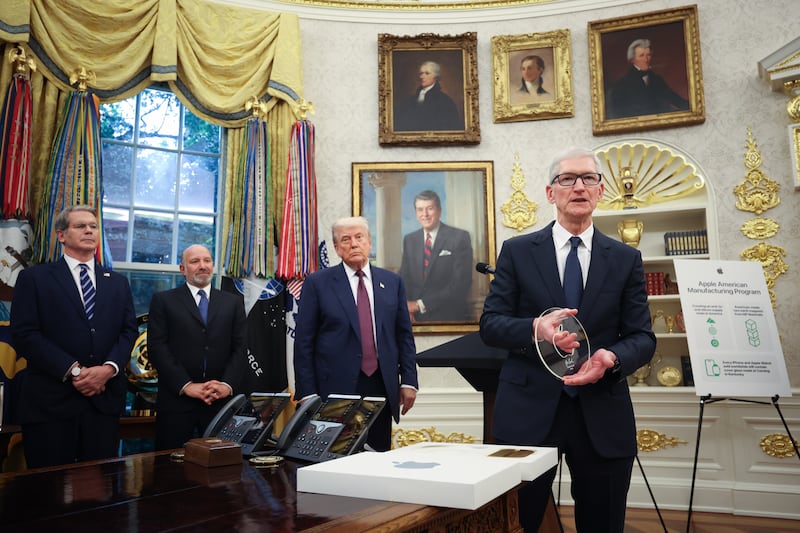
Companies like Apple, Pfizer, Ford, GM, and Stellantis have been cozying up to the White House in an effort to avoid the fallout from the president’s economic policy.
With entire industries, as well as individual companies, begging the White House for tariff relief, success suddenly depends on political connections as opposed to a company’s product quality or business acumen, the Journal wrote.

“The Beltway bandits on K Street have never had it so good,” the editorial board noted. “Mr. Trump’s tariffs are great for the political class, not so much for everyone else.”
In a statement, White House spokesperson Kush Desai claimed that American farmers had previously been locked out of foreign markets thanks to trade barriers erected against U.S. imports.
“President Trump’s tariffs have already created unprecedented market access to markets worth $32 trillion with 1.2 billion people – the best is yet to come,” he said.
He didn’t say why, if that’s the case, farmers would need to be bailed out now.