Russian Fairy Tales Go Punk: Uldus Bakhtiozina's Gorgeous Dark Photos
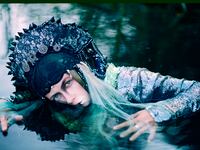
Uldus Bakhtiozina's sumptuous recreations of classic Russian fairy tales are a little bit Alexander McQueen, a little bit 'Game of Thrones,' and 100 percent mesmerizing.
Courtesy Uldus Bakhtiozina
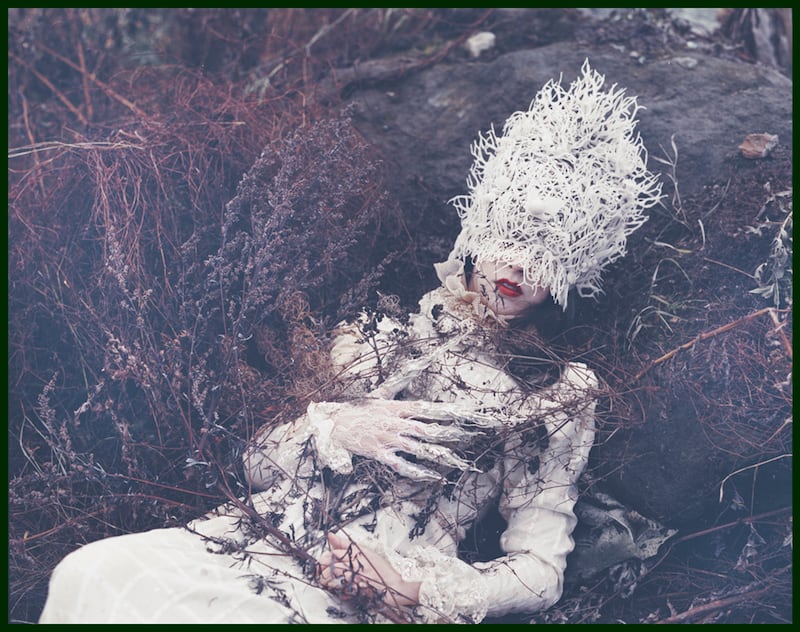
For the past year Uldus Bakhtiozina, a photographer and artist from Russia, has been compiling a book project based on traditional Russian fairy tales. Her images mix old legends with modern fantasias, bringing out the darkness at the heart of the folklore. "All fairy tales were horror stories originally," Bakhtiozina says, "with a love of the night, shamanism, meat, skulls, furs and gold." The photos, often set in wintery wastes and forests, are a little bit Alexander McQueen, a little bit 'Game of Thrones,' and 100 percent mesmerizing. (Bakhtiozina creates all the costumes, as well as the sets, herself.) Here, 'Kikimora,' the soul of the forest—often described as an evil heroine—is portrayed as a protector lying in wait to save the woodland from those who would harm it.
Courtesy Uldus Bakhtiozina
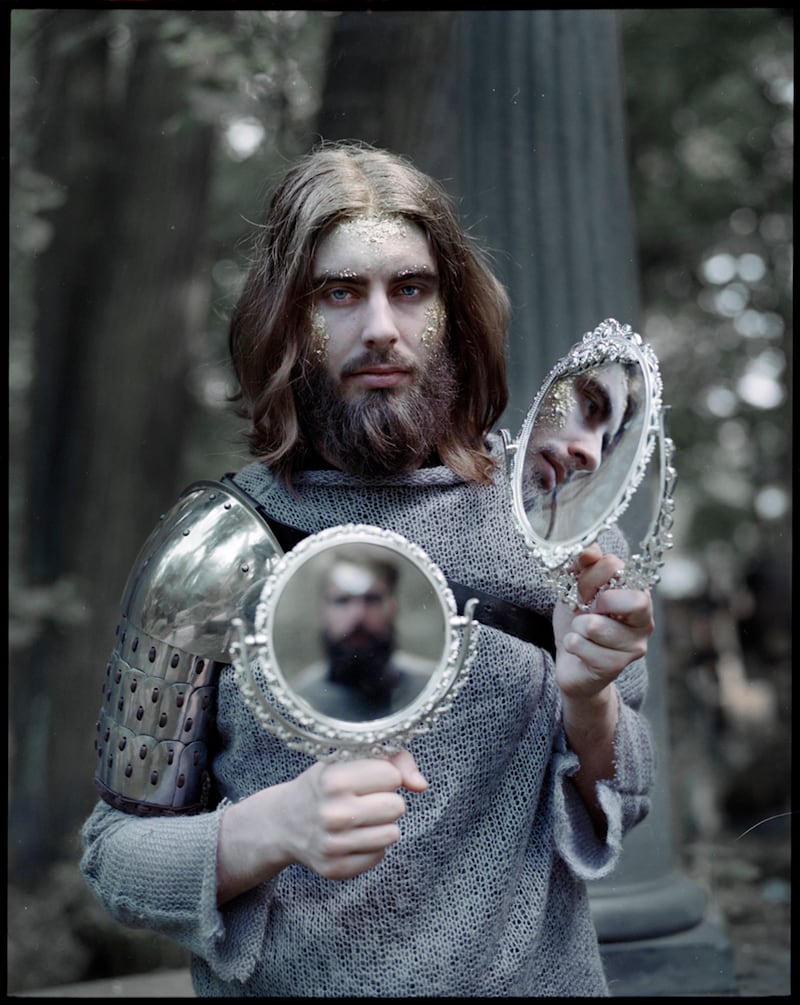
The seven knights, or Bogatyrs, were described as a brotherhood of men living in the forest. They seem to be felicitously immortal—their Russian name recalls the Sanskrit word bhagadhara, meaning someone who owns the luck, or the lucky one.

Ivan is normally presented as a fool (durak) in Russian fairy tales, but the etymology of the word actually leads to a Sanskrit root meaning 'enlightened.' "He has the abiltiy to talk to all animals, to the forest, to the sky—all nature helps him find what he needs," Bakhtiozina says, adding that durak probably took on its negative meaning after Christianity arrived in Russia and pagan rituals were demonized.
Courtesy Uldus Bakhtiozina
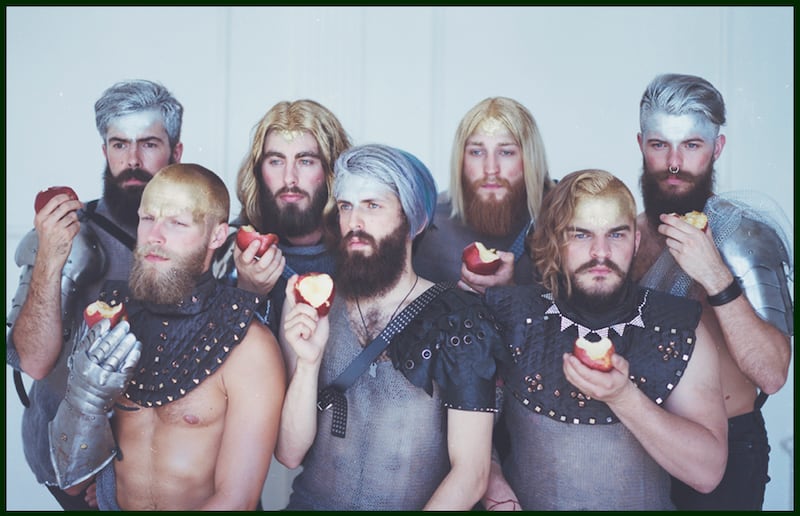
Bogatyrs, or knights-errant, are stock figures in many Slavic tales. The term derives from Proto-Turkic or Proto-Altaic and originally meant 'hero,' 'glory' or 'praise'. Variants of the word can be found from Mongolia to Iran. Russian legends are littered with famous bogatyrs; some are based on actual historical figures, while others hearken from the mists of mythological time.
Courtesy Uldus Bakhtiozina
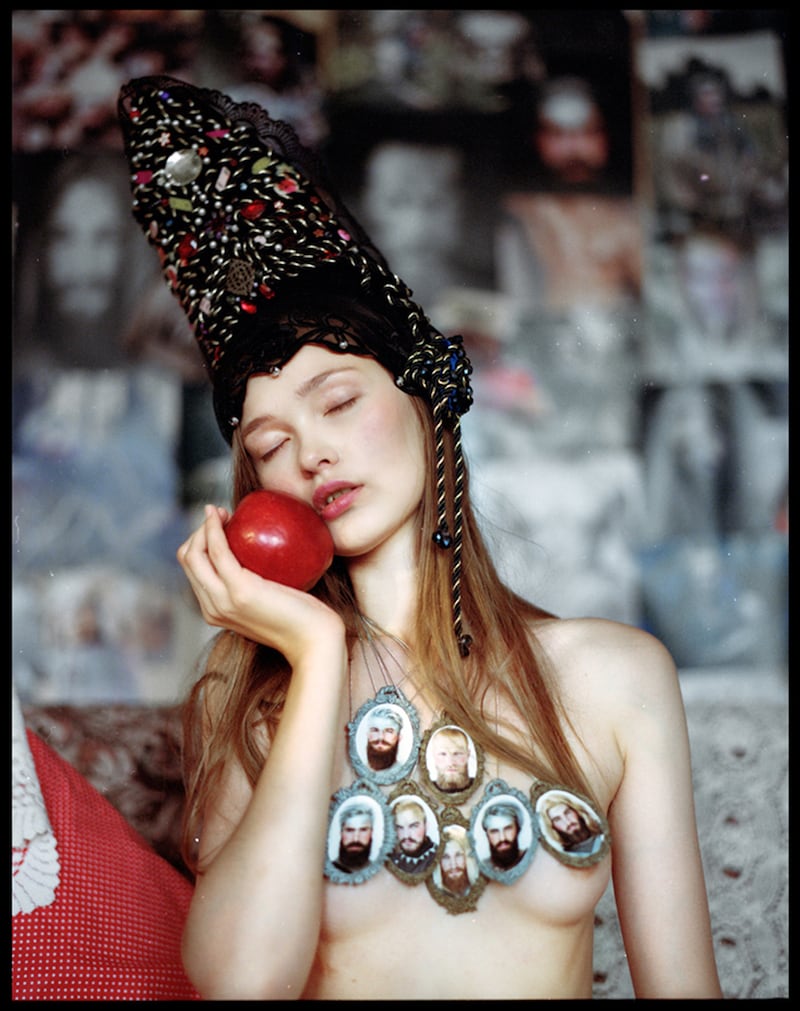
Here, Tsarevna—the Eastern European version of Snow White—has left the home of the seven knights, or bogatyrs, and ventured forth into the dangerous world. But she still carries their images close to her as a protective talisman.
Courtesy Uldus Bakhtiozina
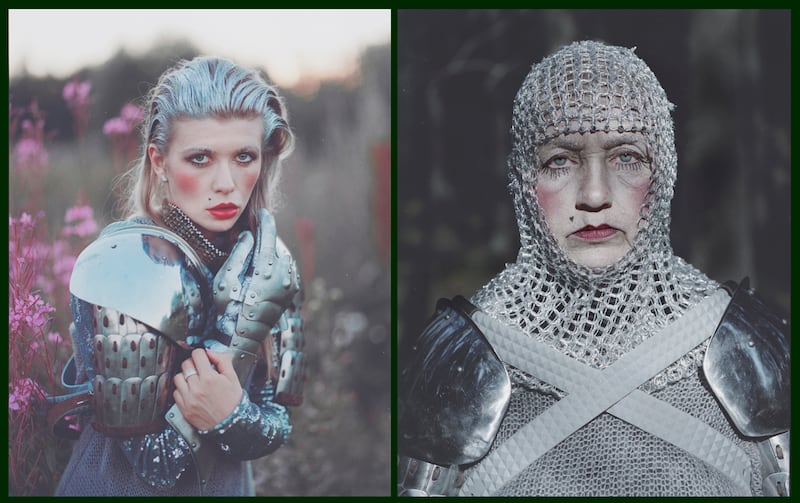
Even though Slavic culture has folk sayings praising the strong woman—she can stop a running horse in its tracks, and enter a burning house with no harm to herself—there are still very few female heroes in Russian fairy tales. Mikulishna is one of them. But even though she gets to be a female warrior, she is denied being lucky in love.
Courtesy Uldus Bakhtiozina

Winter in Russian fairy tales tends to be both cruel—with its fatal night frosts—and exquisitely beautiful, with the rising sun shining on glittering snow. Personified, she is a combination of light and dark, death and life.
Courtesy Uldus Bakhtiozina
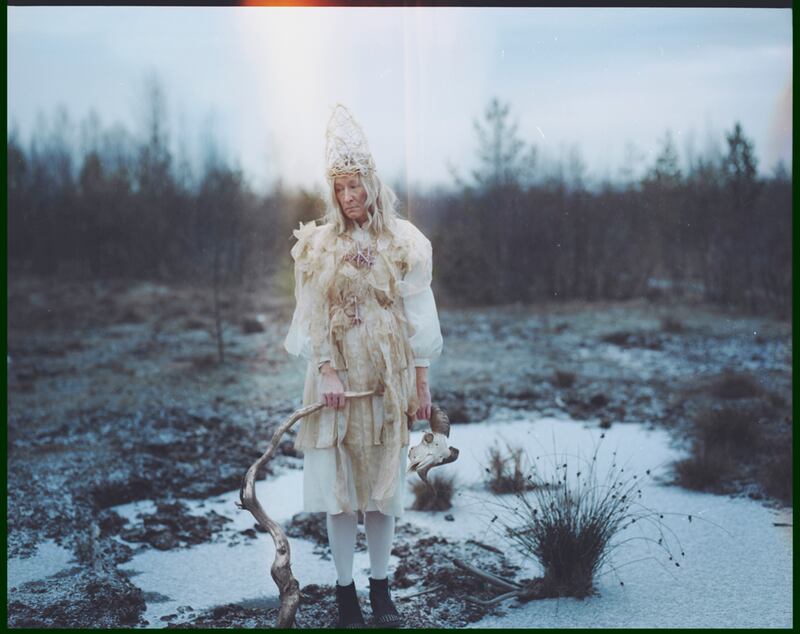
Baba Yaga is known in the West as a deformed and twisted old woman, half witch and half grandmother, who lives deep in the Slavic woods. She is an enigmatic character, sometimes helpful and sometimes pitiless, much like the forest itself. Bakhtiozina says she was originally a "shaman woman [who] guarded the entrance into the Land of Milky rivers. Over time, she was completely transformed into a bad character, but I believe she was kind. Destiny just brought her to a lonely place."
Courtesy Uldus Bakhtiozina
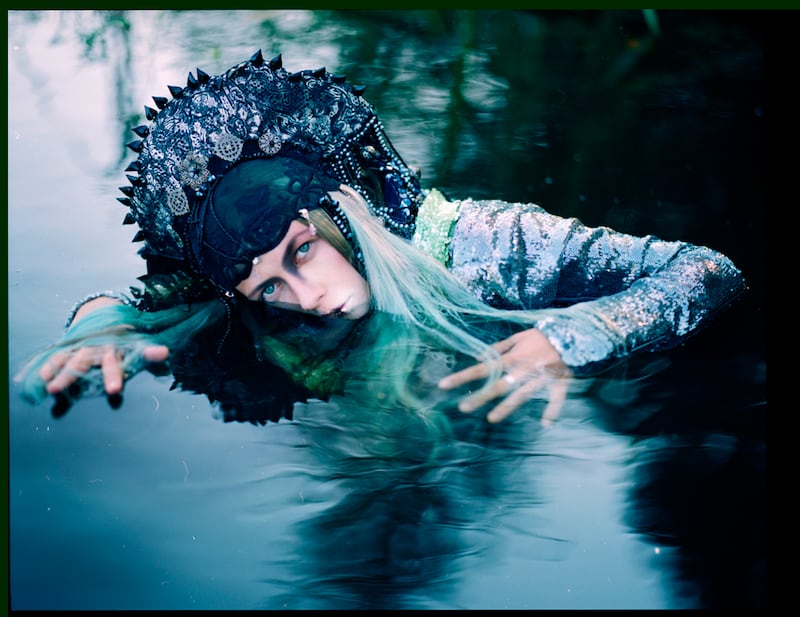
Most Tsarevnas (princesses) in Russian fairy tales have the ability to transform themselves from humans to animals (or the reverse), taking the form of snakes, swans, amphibians or birds. In one legend, a Tsarevna has been bewitched by "kind and good people"—or sometimes by her own father—and has been trapped in the form of a frog.
Courtesy Uldus Bakhtiozina
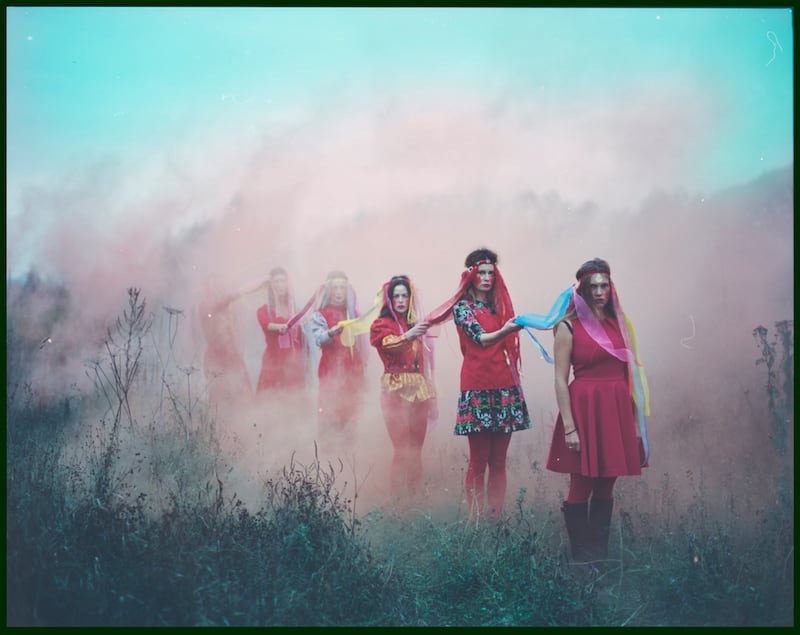
In Slavic pagan mythology, Kra was the Goddess of modesty, and thus all young and unmarried girls are called Krasna Devica, or Fair Maidens. Here they are in a moment of freedom.
Courtesy Uldus Bakhtiozina
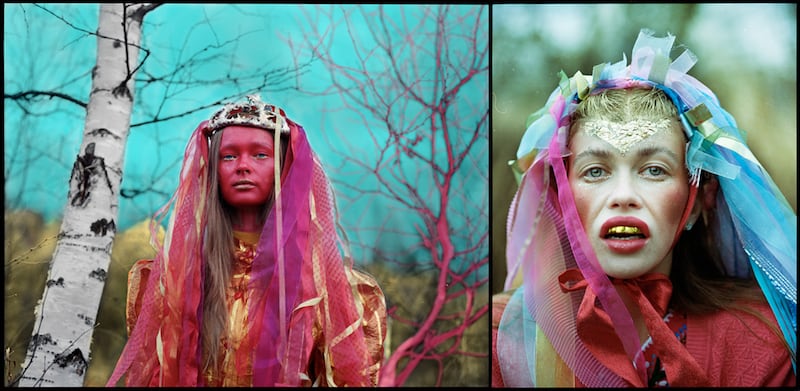
From Fair Maiden to Maiden No More: "In those days, marriage was something permanent," Bakhtiozina says. "I use the metaphorical interpretation of marriage and the transformation from the fair maiden to the wedded woman."
Courtesy Uldus Bakhtiozina
See more of our coverage in your search results.

Got a tip? Send it to The Daily Beast here.
Register below to read this article for free or subscribe
to unlock unlimited access to The Daily Beast.
Monthly
$1
First month then $5.99/month
Annual
$35
First year then $59.99/year
Premium
$79
First year then $119.99/year
*Substack access provided by the next business day, using your subscription email. Choosing the Premium plan constitutes your permission to share your subscription email with Substack and your agreement to Substack’s Privacy Policy.
Already have an account? Sign In
Looks like you already have a subscription!
You're all set!
Thanks for subscribing.