
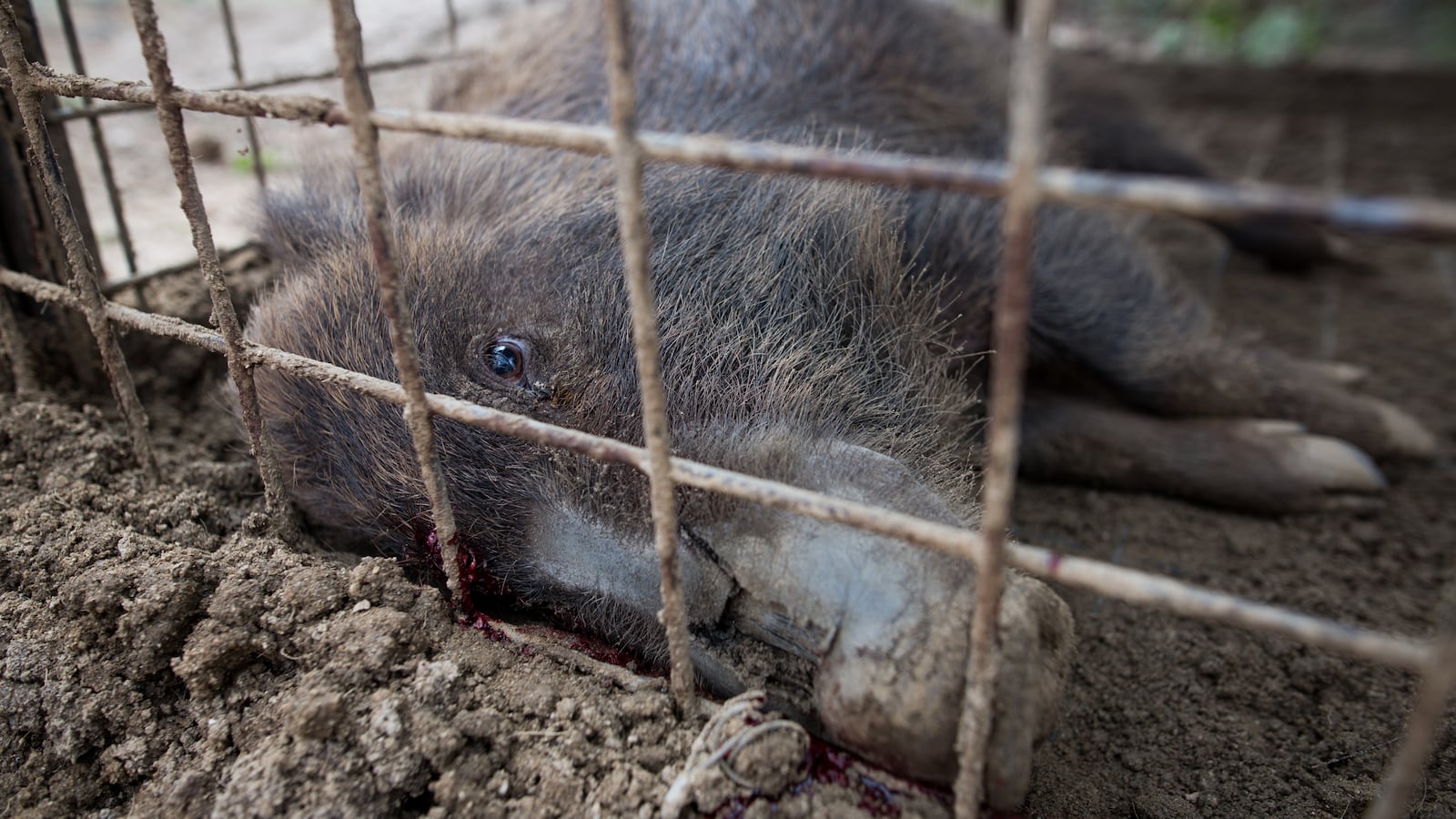
Scientists have just uncovered why populations of radioactive pig-boar hybrids have been flourishing in Fukushima. Since the 2011 nuclear accident, a portion of Fukushima has been abandoned due to its dangerous levels of radioactivity. While humans don’t roam there anymore, pigs from nearby farms escaped and joined radioactive wild boars in the area, mating with them. By analyzing the DNA of these hybrids, scientists found that over time, the pig’s genes would give way to the boars, as the hybrids became more similar to the native wild boars. But not all of the pig’s traits were lost. Their rapid reproductive capacity was sustained in the subsequent, more boar-like generations, explaining the population boom. These kinds of mixes between domestic and wild animals are more likely to occur in the context of environmental degradation. This kind of research is essential to grasping how changes in the food chain occur, the study’s author, Shingo Kaneko, explained. “By understanding that maternal swine lineages accelerate generation turnover, authorities can better predict population explosion risks.”
Read it at Independent