Scientists Inadvertently Create Mutant Plastic-Eating Enzyme
Discovery hailed as breakthrough in fighting ocean pollution.
Carlos Jasso/Reuters
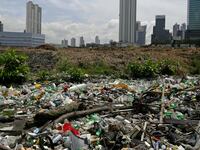
An international group of scientists has accidentally created an enzyme that eats plastic, a discovery that is being hailed as a major breakthrough in the fight against pollution. The mutant enzyme stems from the 2016 discovery of a bacterium that had evolved to devour plastic at a waste site in Japan. Scientists from Britain’s University of Portsmouth and the U.S. Department of Energy’s National Renewable Energy Laboratory then altered that enzyme to study its evolution, but they later learned they had actually improved its ability to break down plastic. “Serendipity often plays a significant role in fundamental scientific research and our discovery here is no exception,” Portsmouth biologist John McGeehan said of the finding. Researchers say the enzyme can be further enhanced and used as a new recycling solution. An estimated 8 million metric tons of plastic waste winds up in the world’s oceans each year, wreaking havoc on the ecosystem.
Register below to read this article for free or subscribe
to unlock unlimited access to The Daily Beast.
Monthly
$1
First month then $5.99/month
Annual
$35
First year then $59.99/year
Premium
$79
First year then $119.99/year
*Substack access provided by the next business day, using your subscription email. Choosing the Premium plan constitutes your permission to share your subscription email with Substack and your agreement to Substack’s Privacy Policy.
Already have an account? Sign In
Looks like you already have a subscription!
You're all set!
Thanks for subscribing.