SCOTUS Rules ‘Faithless’ Electoral College Delegates Must Vote the Way They Pledged for President
Unanimous decision in Chiafalo et al. v. Washington came after three electors decided to violate their pledge to Hillary Clinton in 2016.
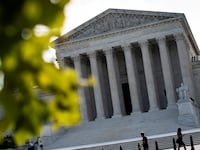
Al Drago/REUTERS
By a unanimous vote, the Supreme Court on Monday upheld “faithless elector” laws, which require delegates to the Electoral College to vote the way they pledged for presidential candidates. Thirty-two states have such laws. Writing for the court, Justice Elana Kagan said that Article II of the Constitution gives “the instruction to each State to appoint, in whatever way it likes, as many electors as it has.” That includes penalizing electors who violate their pledges. Had the court ruled the other way, some commentators had speculated that electors chosen by the Republican Party might not cast their votes for President Trump in the 2020 Electoral College, given mainstream Republicans’ increasing disenchantment with him. Today’s decision eliminates that possibility.
The decision is Chiafalo et al. v. Washington; it also decided a similar case, Colorado Dept. of State v. Baca.
Register below to read this article for free or subscribe
to unlock unlimited access to The Daily Beast.
Monthly
$1
First month then $5.99/month
Annual
$35
First year then $59.99/year
Premium
$79
First year then $119.99/year
*Substack access provided by the next business day, using your subscription email. Choosing the Premium plan constitutes your permission to share your subscription email with Substack and your agreement to Substack’s Privacy Policy.
Already have an account? Sign In
Looks like you already have a subscription!
You're all set!
Thanks for subscribing.