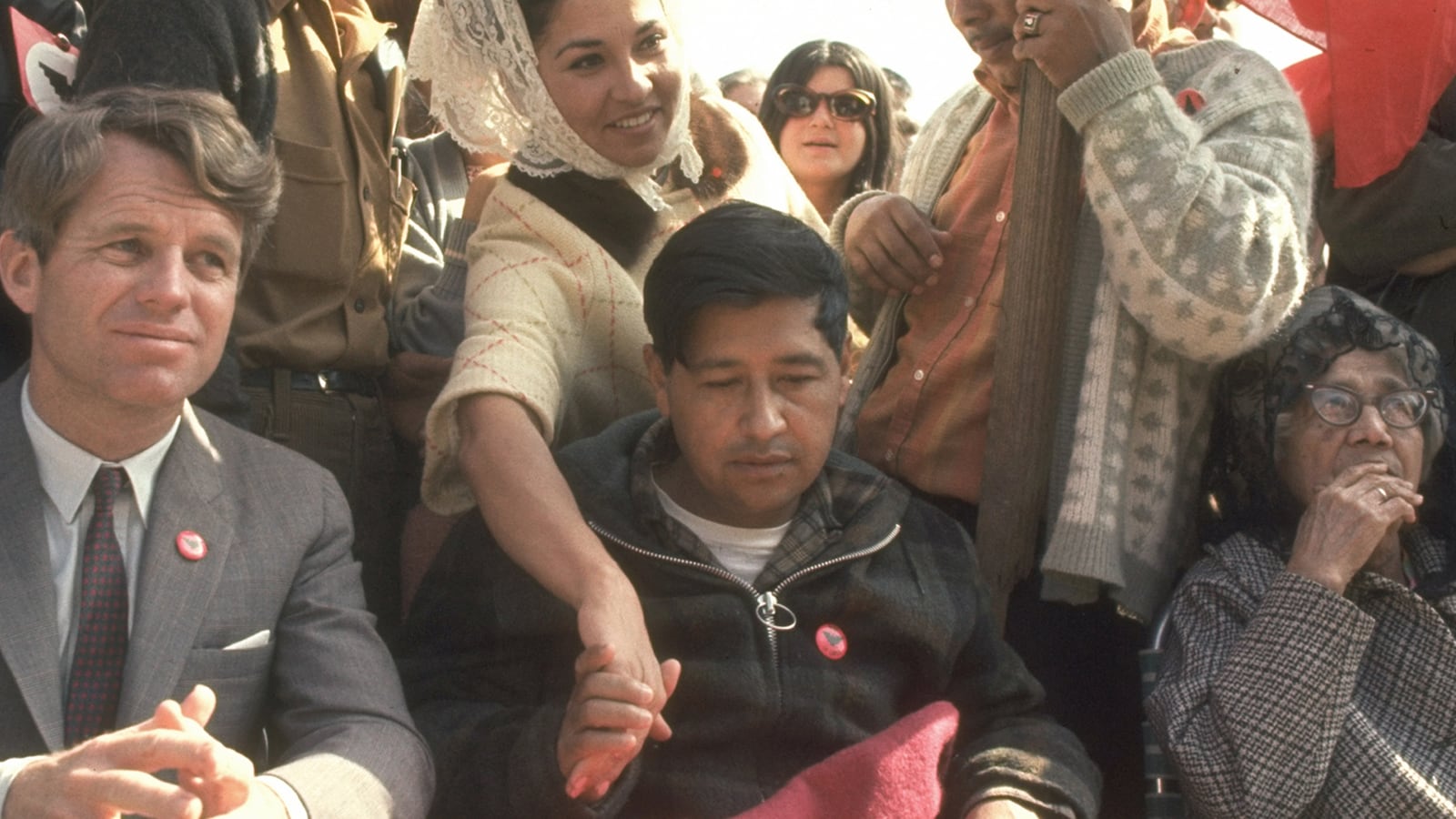
Cesar Chavez, a civil and labor rights icon, has been accused of molestation and sexual assault by multiple women, including his closest organizing ally.
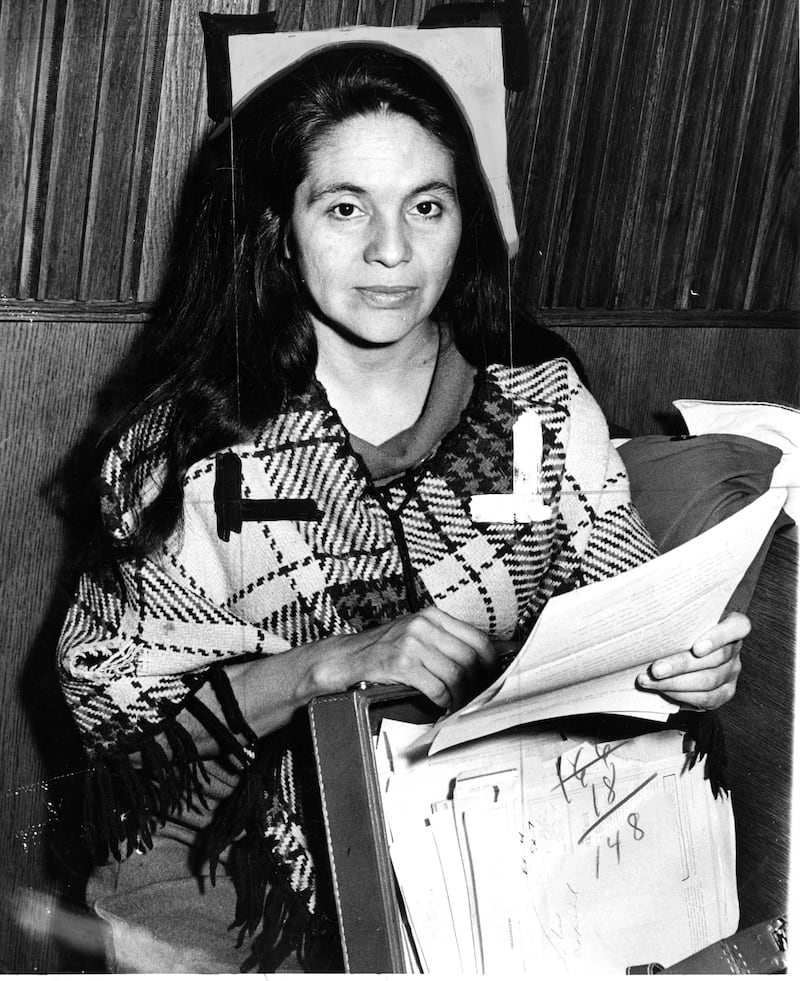
On Wednesday, a bombshell investigation from The New York Times brought to light the heartbreaking testimony of Dolores Huerta, who said her co-founder of the United Farm Workers had manipulated her to have sex with him in one instance and raped her in his car in another.
Huerta, now 96, said she became pregnant after both incidents, which she concealed and arranged for the children to be raised by others.
The Times report, which was investigated over five years, also included corroborated testimony from two other women, who said they were sexually molested by Chavez—who died in 1993 at age 66—beginning at ages 12 and 13 and continuing for years.
“I am nearly 96 years old, and for the last 60 years have kept a secret because I believed that exposing the truth would hurt the farmworker movement I have spent my entire life fighting for,” Huerta wrote in a statement she released on Medium on Wednesday.
“I have encouraged people to always use their voice. Following the New York Times’ multi-year investigation into sexual misconduct by Cesar Chavez, I can no longer stay silent and must share my own experiences.”
Huerta continued to detail her harrowing experiences with Chavez that took place in the 1960s, when she was a young mother.
“The first time I was manipulated and pressured into having sex with him, and I didn’t feel I could say no because he was someone that I admired, my boss and the leader of the movement I had already devoted years of my life to. The second time I was forced, against my will, and in an environment where I felt trapped,” she said.
Huerta said she has developed a “deep relationship” with the two children she carried after these encounters.
“But even then, no one knew the full truth about how they were conceived until just a few weeks ago,” she said.
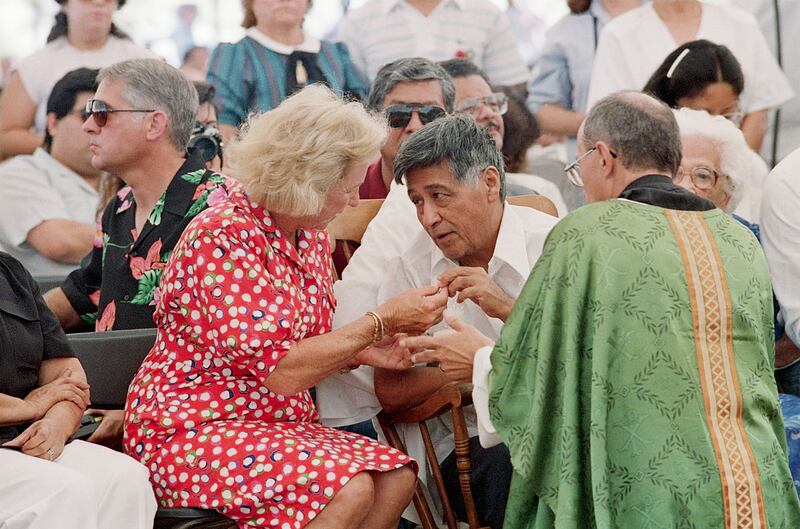
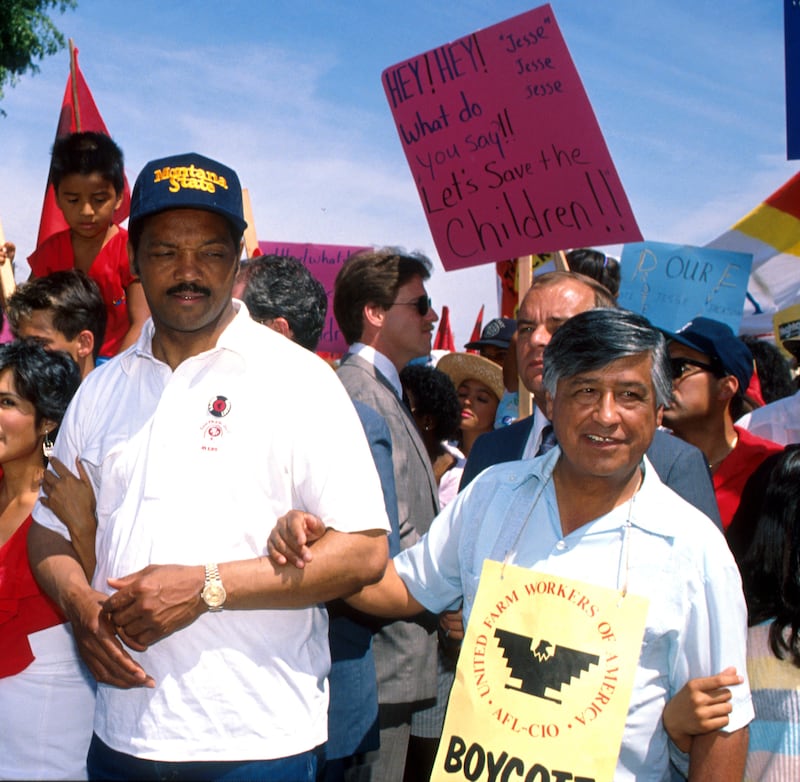
Huerta said she decided to share her story after realizing Chavez’s abuse was more widespread.
“The knowledge that he hurt young girls sickens me,” she said.
“My heart aches for everyone who suffered alone and in silence for years. There are no words strong enough to condemn those deplorable actions that he did. Cesar’s actions do not reflect the values of our community and our movement.”
She concluded: “I have kept this secret long enough. My silence ends here.”
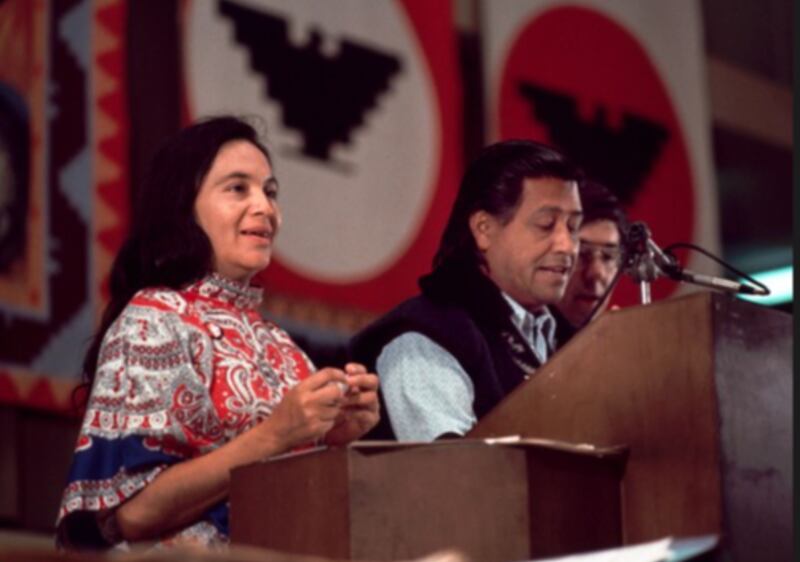
Two other women, Ana Murguia and Debra Rojas, also told the New York Times that Chavez—whose birthday, March 31, is a holiday in 10 states—molested them from around 1972 to 1977. The women, now both 66, were children. Chavez would have been in his 40s.
Murguia, who had known Chavez since she was 8, said she was routinely molested by Chavez in his office and became so traumatized that she tried to commit suicide multiple times by the time she turned 15.
“I wanted to die,” she told the New York Times. Rojas told the outlet that she, too, was routinely molested in that same office. When she was 15, Chavez arranged for Rojas to stay at a motel where he raped her during a weeks-long protest through California he was leading.
The outlet further reported that in interviews with more than 60 people, reporters found that Chavez used many of the women in the movement he led to carry out his own sexual desires.
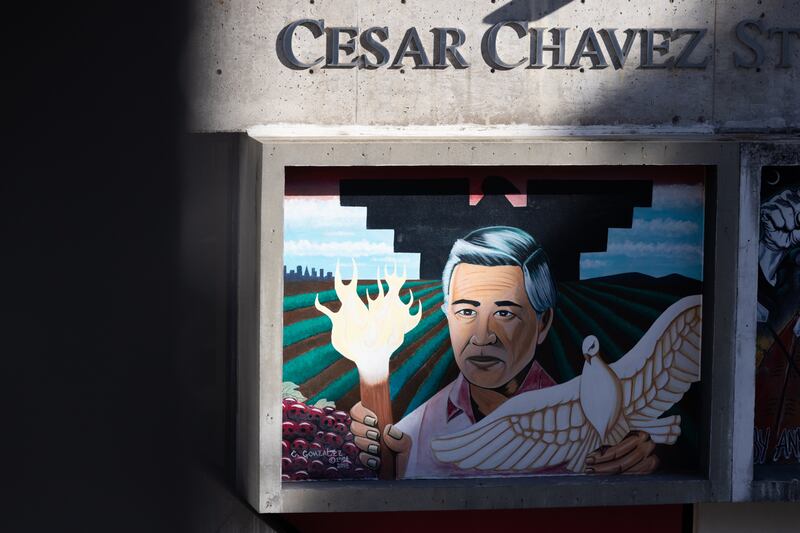
The women stayed silent, partly out of fear of tarnishing the reputation of a man who is still positioned as a key figure in the civil rights movement. Across the country, schools, parks, streets, libraries, and other public facilities bear the Arizona native’s name.
In 1994, Chavez was posthumously awarded the Presidential Medal of Freedom by then-President Bill Clinton for the Mexican American’s contributions to farmworkers’ rights.
In anticipation of the Times investigation, several communities have canceled their Cesar Chavez Day activities, which have been held annually since former President Barack Obama designated the holiday in 2014.
The Chavez family also released a written statement, according to NBC News.
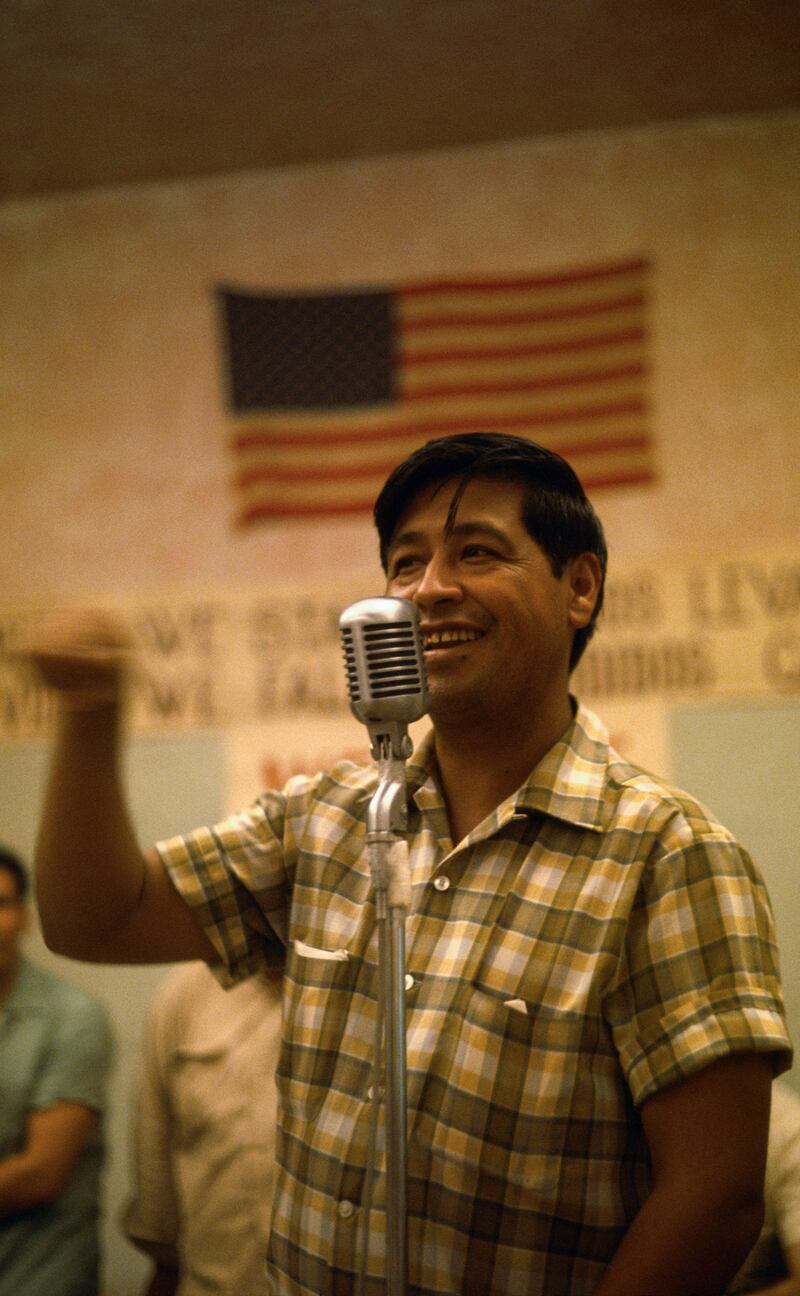
“Our family is shocked and saddened to learn of news that our father, Cesar Chavez, engaged in sexual impropriety with women and minors nearly 50 years ago,” it began.
“As a family steeped in the values of equity and justice, we honor the voices of those who feel unheard and who report sexual abuse. This is deeply painful to our family. We hope these matters are approached thoughtfully and fairly.”
The Daily Beast has reached out to Huerta for comment.