
President Donald Trump has finally realized that he launched a political grenade at his own party when he declared war on Iran—and that he has no way to diffuse it.

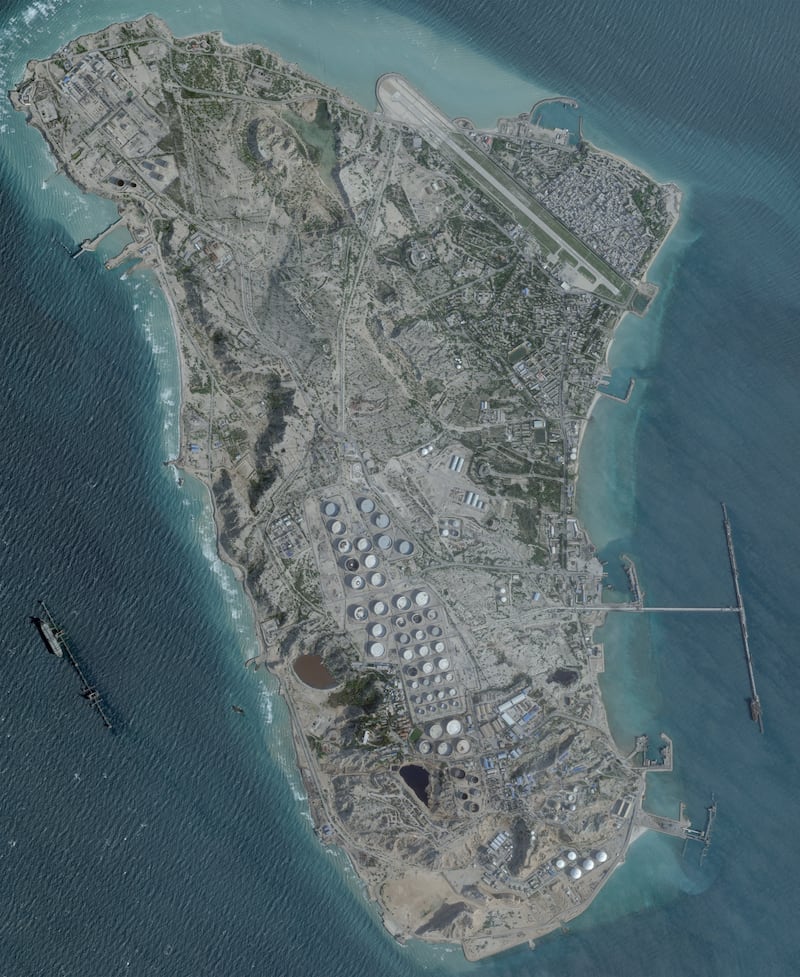
The president on Wednesday tried to claim in a panicked social media post that he had nothing to with Israel’s attack on the South Pars gas field, part of the world’s largest natural gas reserve, despite multiple reports that he greenlit the strikes.
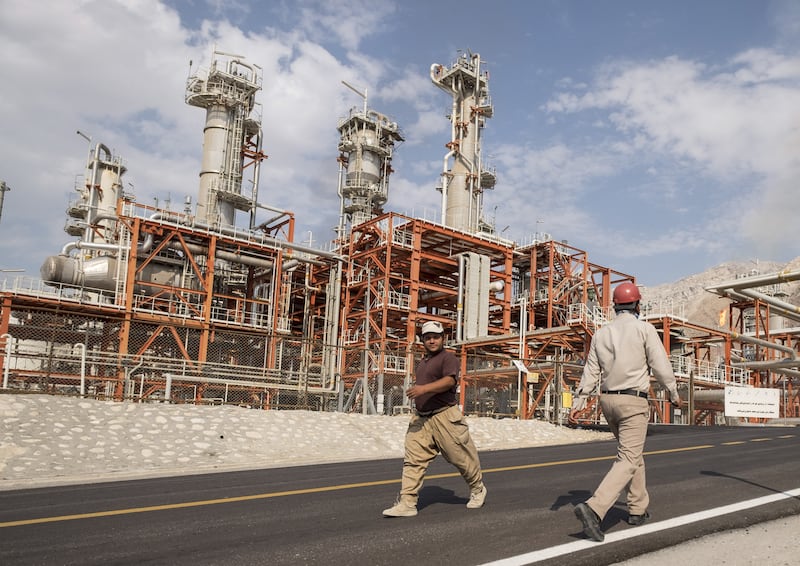
The attack marked a major escalation in the war with Iran and threatened to deepen an energy crisis that was already hurting Republicans’ chances of keeping their majorities in Congress in November’s midterm elections.
It also led to a series of retaliatory strikes that could blow up the Middle East’s most important oil and gas infrastructure—a scenario that Trump appears increasingly powerless to stop.
That would explain why Trump, who has tried obsessively to cultivate an image of a president who is all-powerful and always in control, is suddenly trying to claim that his ally Benjamin Netanyahu dared to go behind his back to launch the strikes, in the clearest sign yet he knows the war could doom his presidency.
Following the strikes, Trump wrote on Truth Social that Israel had “violently lashed out” at South Pars, and that the U.S. “knew nothing about this particular attack.”
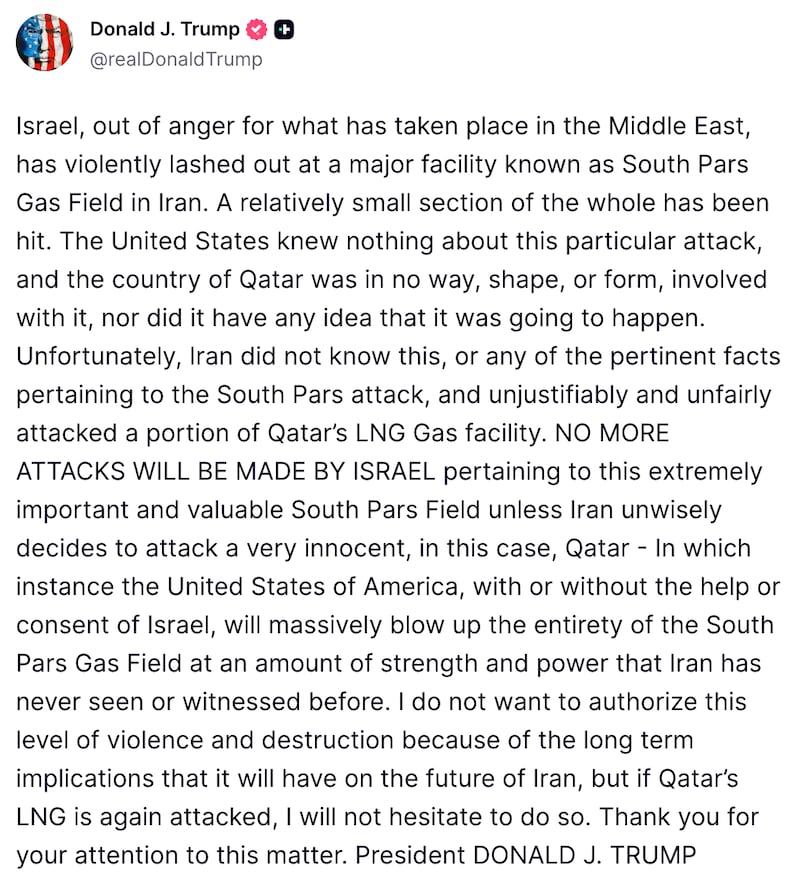
The post has been thoroughly debunked, with both Israeli and U.S. officials telling Axios that the strike was coordinated with and approved by the White House.
Other outlets including The Wall Street Journal and the Associated Press confirmed that the U.S. was informed of the plan and ahead of time and agreed to it in the hopes that it would pressure Iran to reopen the Strait of Hormuz, a key energy shipping lane that has been largely come to a standstill.
Trump’s feigned ignorance is all the more bizarre because it undermines the self-image he has desperately sought to cultivate throughout his second term.
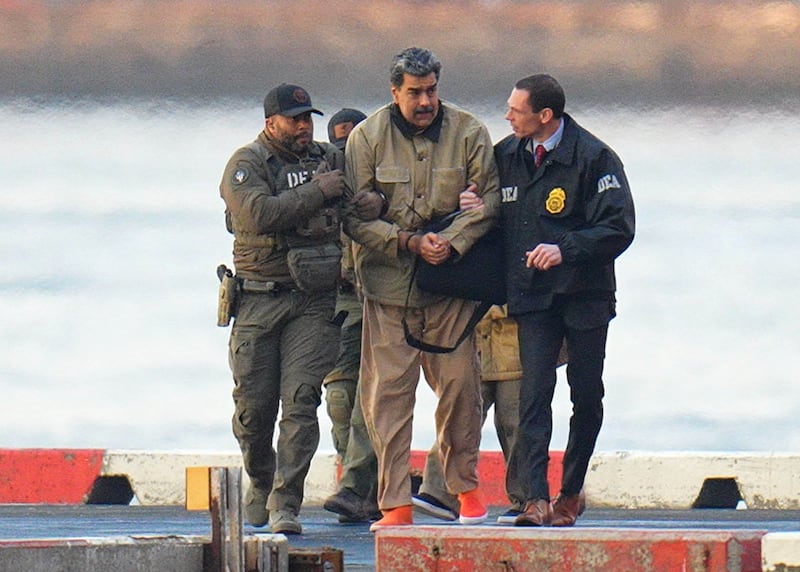
Whether it’s using tariffs to try to coerce trade partners, threatening to invade NATO allies, kidnapping Venezuela’s president, vowing to “take” Cuba, or summarily executing suspected drug dealers in the Caribbean, the strategy is always the same: project an image of absolute strength so that allies and adversaries alike will feel they have no choice but to bend to Trump’s will.
But now, not only is the president lying about the Israeli strike on South Pars, he’s telling a lie that makes him look weak—something he would normally be loath to do, even if the underlying statements were true.
When, then, would he lie in order to make himself look bad?
Perhaps because the truth is even worse than weakness: incompetence paired with political suicide.
Trump all but admitted to Fox News host Bret Baier that he thought Iran would be another quick hit like Venezuela: go in, take out the leader, and watch the rest of the terrified regime fall into line with the U.S. demands (or, in the case of Iran, watch the grateful people rise up and install a pro-U.S. replacement).

Instead, Trump has unwittingly launched protracted war that has spiraled beyond his control, threatening to spark a global energy crisis that could last at least until the midterms, if not far longer.
In the U.S., gas prices have surged by about 30 percent since Trump first attacked Iran on Feb. 28, up from $2.90 per gallon on average in mid-February to $3.90 per gallon.
After the South Pars strike, Iran retaliated by inflicting extensive damage on a major liquid natural gas hub in Qatar, and fired missiles at the Saudi capital of Riyadh, where debris landed near a refinery.
The tit-for-tat drove Brent crude oil prices up even further, to above $110 per barrel, compared to about $70 per barrel in late February.
It also infuriated the Gulf states, with Qatar grilling U.S. officials on whether they had been informed of the Israeli strike before it happened.
The Revolutionary Guard now says it considers refineries, petrochemical facilities, and gas fields in Saudi Arabia, the United Arab Emirates, and Qatar to be legitimate targets, prompting operators to begin evacuating key sites, Gulf oil officials told the Journal.
If those facilities are attacked, energy production could be crippled and prices driven up until long after strikes in the region end.
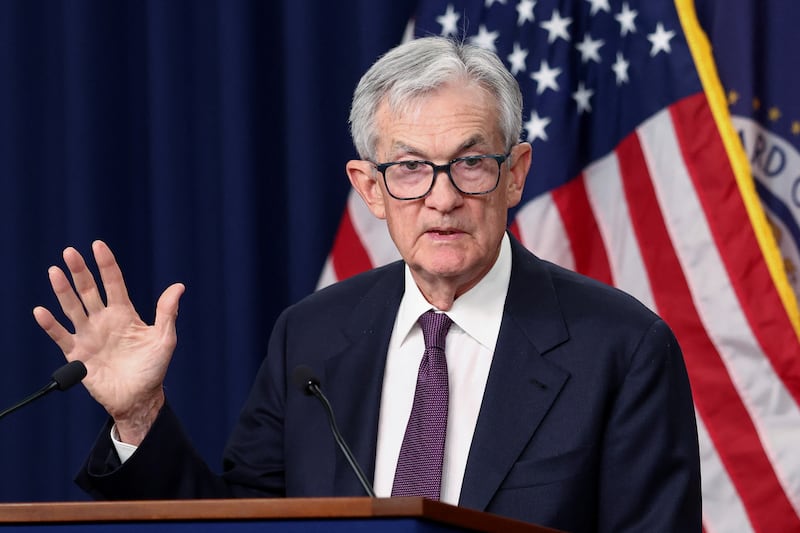
Higher energy prices will in turn push up overall inflation, Federal Reserve Chair Jerome Powell warned on Wednesday.
In the meantime, the president appears to have no plan to bring down prices. His surrogates have suggested using Venezuelan oil to offset shortages in the Middle East, even though it would take years—and about $100 billion worth of investments—to revive the country’s dormant infrastructure.
The president is so desperate to reopen the Strait of Hormuz that he’s considering sending thousands of additional troops to the Middle East.
The Pentagon has also asked the White House to request $200 billion in additional war funding from Congress—despite the president’s insistence that war would be over soon.
Americans, however, mostly hate Trump’s war, with just 29 percent of respondents saying they approved of the Iran strikes in the latest Reuters/Ipsos poll. They’re also panicked about the economy, which is likely to only get worse as the war continues.
The results could be devastating for the Republican Party heading into November’s midterms, where the GOP is widely expected to suffer major losses.

Trump often seems to live in his own world, obsessing over ballrooms, parades, and revenge campaigns even as most Americans just want the government to help them afford the basics, like food, shelter, and health care.
This time, though, it appears reality has finally sunk in, if the president’s panicked social media post is anything to go by.