Supreme Court Allows Trump Administration to Implement ‘Public Charge’ Immigration Rules
The new rules will make it easier to deny immigrants green cards and a path to U.S. citizenship if they are deemed likely to need government assistance.
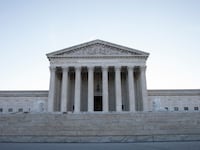
Zach Gibson
The Supreme Court on Monday allowed the Trump administration to implement new rules designed to deny U.S. residency or admission to immigrants seen as a risk of becoming “public charges.” The justices, on a 5-4 vote, granted the administration’s request to lift an injunction imposed by a district judge in New York that blocked the policy, which was criticized as a “wealth test” to keep out non-white immigrants. The new rules will make it easier to screen out green card applicants because they have or might require government assistance. All four of the court’s liberal justices opposed the action. The rules establish new criteria for who can be deemed dependent on the U.S. government for benefits—such as Medicaid, food stamps, or housing assistance—and thus denied green cards and a path to U.S. citizenship.
The criteria include “positive” and “negative” factors for immigration officials to decide on green card applications; the negative factors include whether a person is unemployed or not fluent in English. Legal U.S. immigrants who use public benefits, have in the past, or are considered likely to eventually require benefits, would be suspect in the new policy.
Register below to read this article for free or subscribe
to unlock unlimited access to The Daily Beast.
Monthly
$1
First month then $5.99/month
Annual
$35
First year then $59.99/year
Premium
$79
First year then $119.99/year
*Substack access provided by the next business day, using your subscription email. Choosing the Premium plan constitutes your permission to share your subscription email with Substack and your agreement to Substack’s Privacy Policy.
Already have an account? Sign In
Looks like you already have a subscription!
You're all set!
Thanks for subscribing.