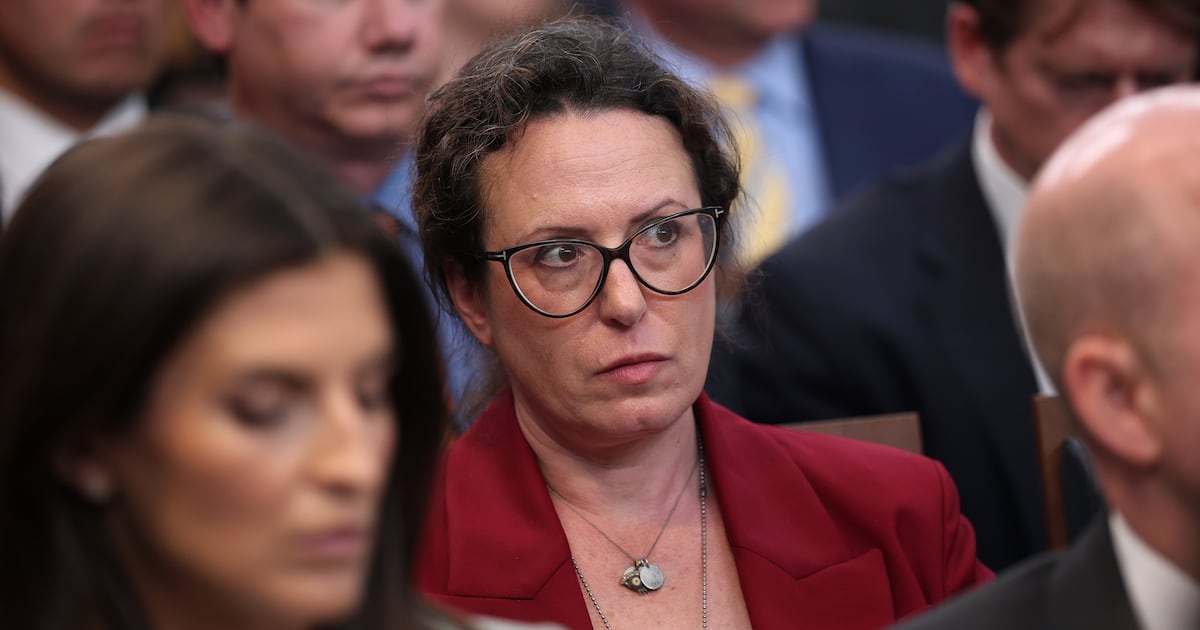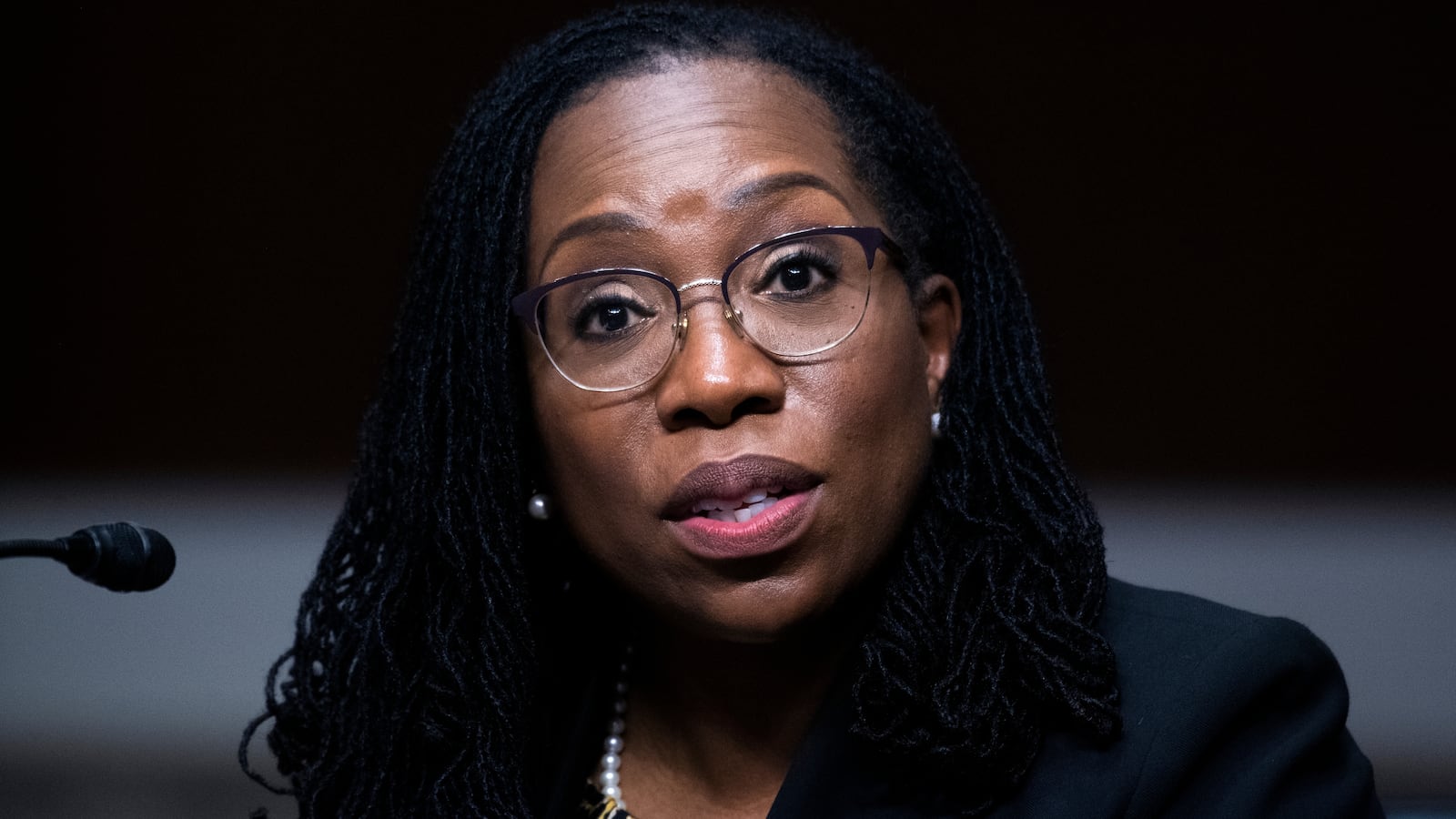
Supreme Court Justice Ketanji Brown Jackson has rebuked her colleagues in a scathing solo dissent, claiming that she “cannot fathom” the majority’s decision.
The rebuke centered on a case that addressed whether a police officer breached the Fourth Amendment by stopping a person without reasonable suspicion.
The case stems from a 2023 incident in which a Metropolitan Police officer responded to an early morning call about a suspicious vehicle in Washington, D.C. After two other people fled the car, the officer ordered the driver, known as R.W., to put his hands up while drawing his service weapon.
The lower court in D.C. ruled in May that the officer stopped R.W. without reasonable suspicion, which violated the Fourth Amendment.
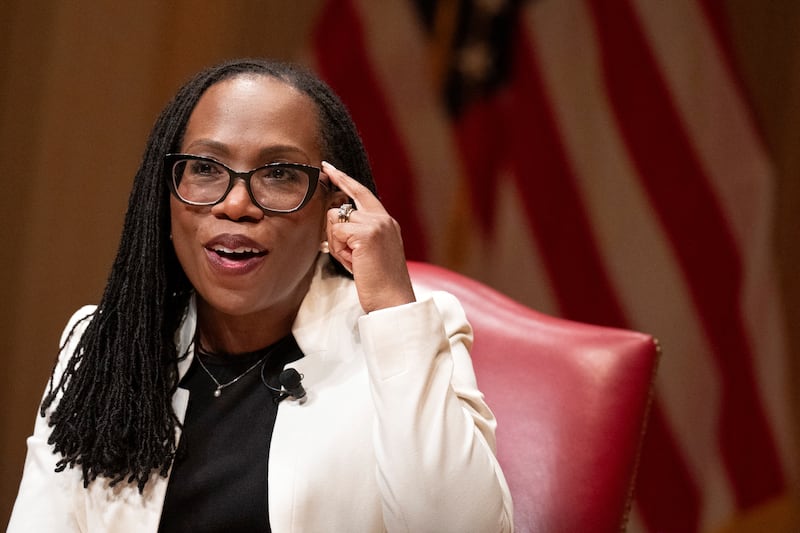
On Monday, the Supreme Court reversed the lower court’s ruling in a 7-2 decision, saying it had failed to properly consider the police’s authority to stop someone based on the “totality of the circumstances” of the situation.
Brown Jackson, 55, hit back against the majority’s “assessment.”
“I cannot fathom why that kind of factbound determination warranted correction by this Court,” Brown Jackson wrote in her dissent, saying the lower court’s reasoning “does not merit the use of our summary discretion” to reverse the decision.

“Even if I would have assigned more heft to a particular fact in my own first-instance assessment, I would not wordsmith a lower court in this fashion. In my view, this is not a worthy accomplishment for the unusual step of summary reversal. Therefore, I respectfully dissent,” Brown Jackson wrote.
Brown Jackson argued that the lower court had already taken into account the Fourth Amendment rights for a citizen to be “secure in their persons, houses, papers, and effects, and against unreasonable searches and seizures.”
Brown Jackson and Justice Sonia Sotomayor were both in the minority, with Sotomayor stating she would not have agreed to hear the case.
“I am not sure why our Court sees fit to intervene in this case, let alone to do so summarily,” the Biden-appointed Brown Jackson said.

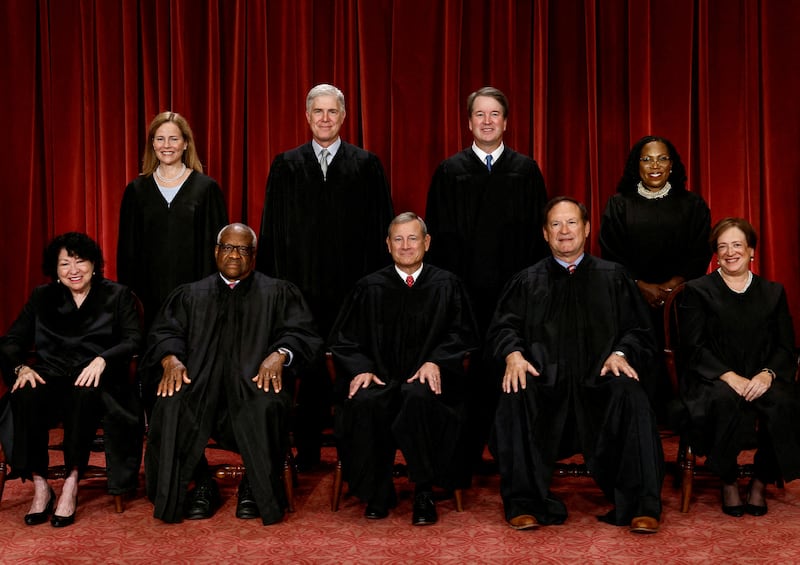
There are nine Supreme Court justices, comprising of six conservatives and three liberals. The liberal justices are Justices Elena Kagan, Sotomayor and Brown Jackson. The conservatives are Chief Justice John Roberts and Justices Clarence Thomas, Samuel Alito, Neil Gorsuch, Brett Kavanaugh and Amy Coney Barrett.
Law professor Jonathan Turley, a Fox News contributor who argued in Congress against Trump’s impeachment, highlighted that Sotomayor “notably declined” to join Brown Jackson’s dissent.
He described the 2023 incident on X, citing court notes that stated when police arrived, “two people ran from the car and the remaining passenger slowly began backing out of the parking lot with a door still open.”

Earlier this month, Brown Jackson blasted the Supreme Court’s emergency orders, or “shadow docket” rulings to help President Donald Trump, despite them being blocked by lower court rulings.
“The court’s stay decisions can, at times, come across as utterly irrational,” Brown Jackson at Yale Law School.
“The court has left confusion in its wake,” she continued. “There is a serious concern that the Supreme Court’s modern stay practices are having an enormously disruptive and potentially corrosive effect.”