Liberal Supreme Court Justice Sonia Sotomayor blamed her colleagues for the Trump administration filing an “unprecedented” number of emergency motions asking the nation’s top court to block unfavorable lower court rulings while the appeals process plays out.

The conservative majority has sided with President Donald Trump’s administration in more than 80 percent of its emergency applications, leading to criticism that the justices are deciding important legal questions on the emergency “shadow” docket with little or no explanation.
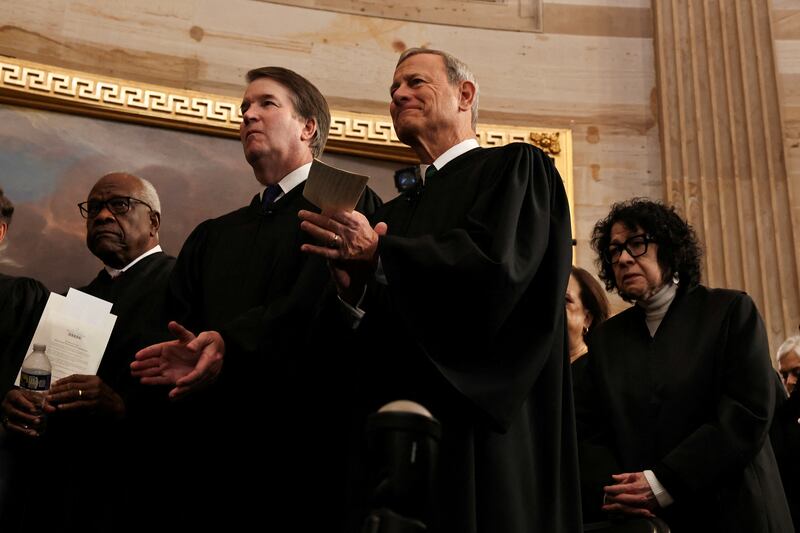
“We’ve done it to ourselves,” Sotomayor said Thursday during an appearance at the University of Alabama Law School. “The newspapers are filled with reports about how many emergency motions we are receiving. It’s unprecedented in the court’s history.”
The Trump administration has filed about 30 emergency applications with the Supreme Court in the past 15 months.
Officials say the number of appeals was driven by an unprecedented number of injunctions blocking the administration’s policies, but according to Sotomayor, the real culprit was a sudden change in her colleagues’ understanding of the concept of “irreparable harm.”
She explained that “until more recent times,” the court considered whether an individual would be irreparably harmed by letting a wrongly decided ruling stand while the losing party appealed.
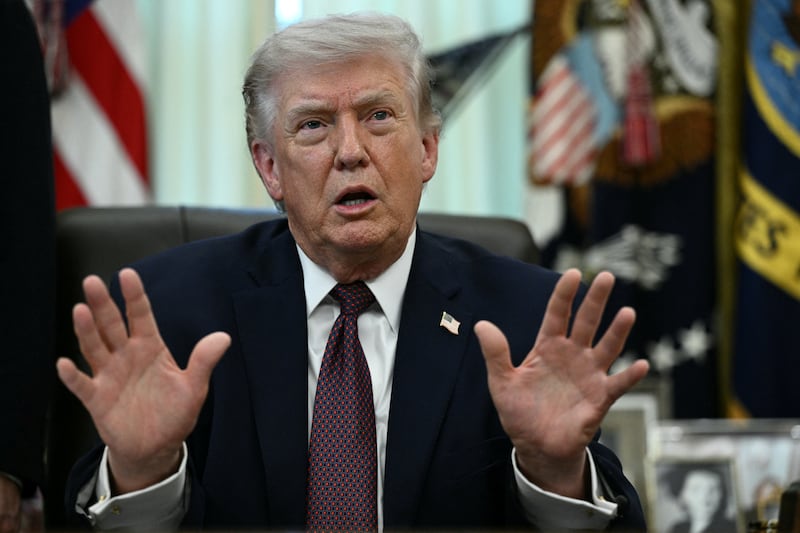
The conservative justices, however, have shifted that paradigm to focus on “systemic harm.”
They’re starting from the presumption that the executive branch will be irreparably harmed if a Trump administration policy is blocked while the appellate process plays out, which makes it much harder for the individual to win, Sotomayor said.
The court previously took the position that, “Since we’re the final word, we should do it with some deliberation to make sure we get it right,” she added.
Instead of interfering with lower-court rulings via the shadow docket, the justices waited until different courts had heard all relevant cases, allowing all the important facts and legal arguments to emerge before considering an issue.
After shading her colleagues on Thursday, Sotomayor was quick to point out that she’d already aired her criticisms in her dissents.
Last year, the court allowed the Trump administration to deport seven men to South Sudan, a country under a “do not travel” warning from the U.S. State Department, despite the fact that they had no ties to the country.
“Other litigants must follow the rules, but the administration has the Supreme Court on speed dial,” Sotomayor wrote in a dissent joined by Justice Ketanji Brown Jackson.
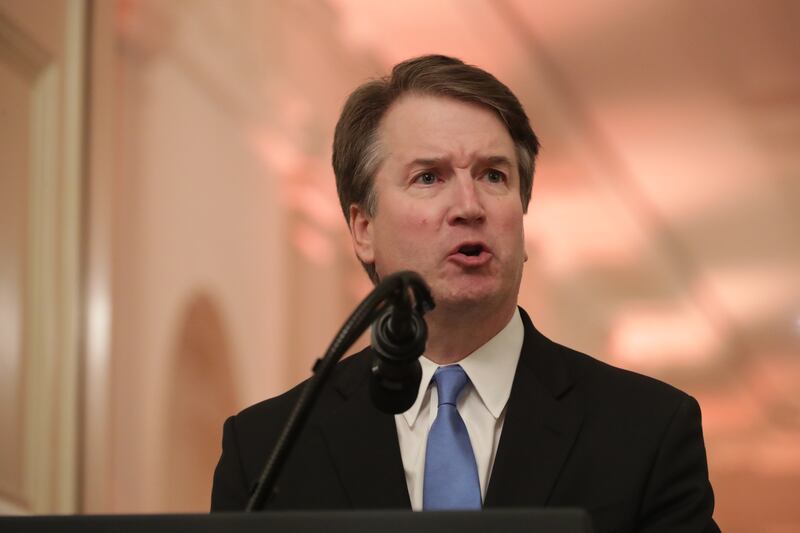
Earlier this week, the Bronx native tore into conservative Justice Brett Kavanaugh’s concurrence in an emergency order that allowed immigration agents to stop people based on their race, employment, language, or presence at car washes, bus stops, and working other locations.

In the concurrence, Kavanaugh wrote that encounters with immigration agents were “typically brief,” and that most “promptly go free,” leading critics to term the encounters “Kavanaugh stops.”
“I had a colleague in that case who wrote, you know, these are only temporary stops,” Sotomayor said Tuesday at an event at the University of Kansas. “This is from a man whose parents were professionals. And probably doesn’t really know any person who works by the hour.”

“Those hours that they took you away, nobody’s paying that person,” she added. “And that makes a difference between a meal for him and his kids that night and maybe just cold supper.”
Sotomayor was raised by a single mother in a housing project in the Bronx after her father died when she was nine years old. Kavanaugh’s father was a lawyer and business executive, while his mother was a judge.
The Daily Beast has reached out to the Supreme Court for comment.