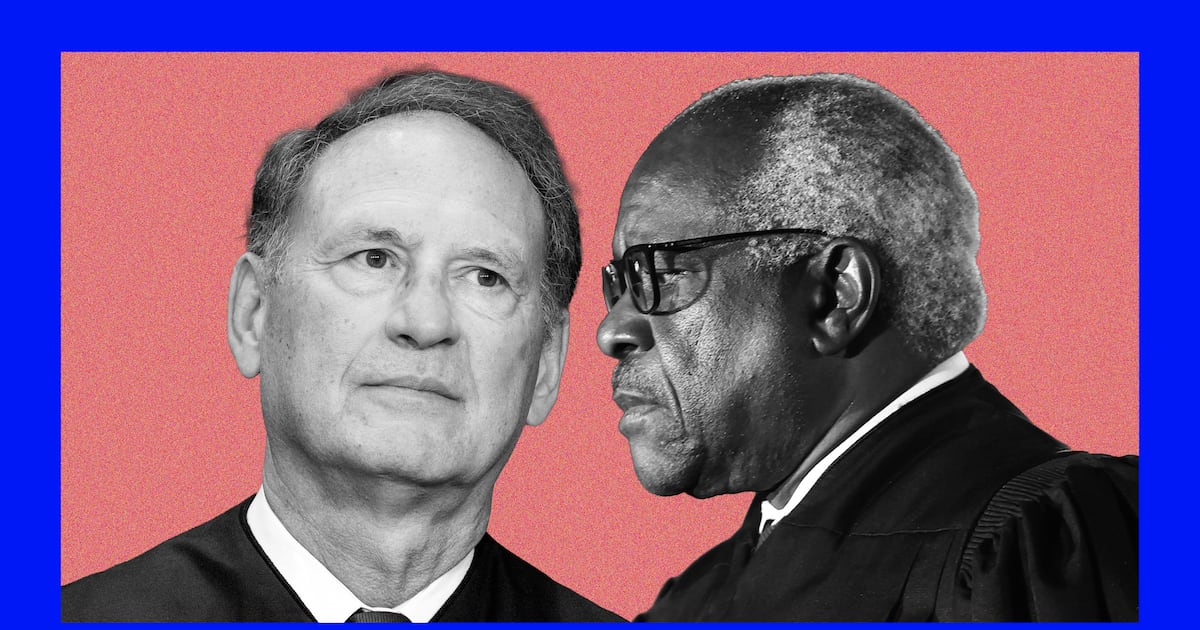

The Supreme Court’s approval rating has fallen to a record low thanks to a 20-percent drop in support among Republicans since the justices struck down a pair of President Donald Trump’s signature policies this year.

A new Gallup poll conducted this month found that just 33 percent of Americans approved of the job the Supreme Court was doing, while a record-high 61 percent disapproved of the court, the research center said Tuesday.
Just 12 percent of Democrats and 35 percent of Independents approved of the job the court was doing.
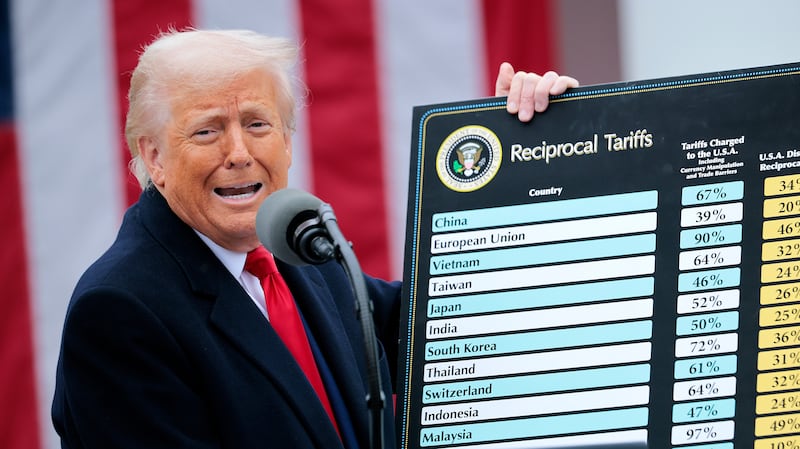
Those numbers were similar to polling conducted last September and remained near their historical low points, Gallup reported.
Among Republicans, however, the court went from enjoying a near-record-high 79 percent favorability rating in September to a far more modest 58 percent at the end of the most recent term, bringing down the overall approval rating from 42 percent to 33 percent.
The previous record low of 39 percent was recorded in July 2025.
During the most recent term, a record number of cases were decided along ideological lines, with Trump’s agenda dominating the docket—and the conservative justices backing him in more than 80 percent of cases as of March.
The conservative majority voted to gut the Voting Rights Act, expand Trump’s ability to fire members of independent administrative agencies, and greenlight Republican efforts to rush through a mid-cycle gerrymander.
The new districts could help the president maintain control of Congress during the midterms despite facing his own record-low approval ratings.
The conservative justices also issued a series of emergency orders allowing the administration to continue to carry out its policies even as lower courts found them to be unconstitutional.
Trump, however, did notch a handful of high-profile losses.
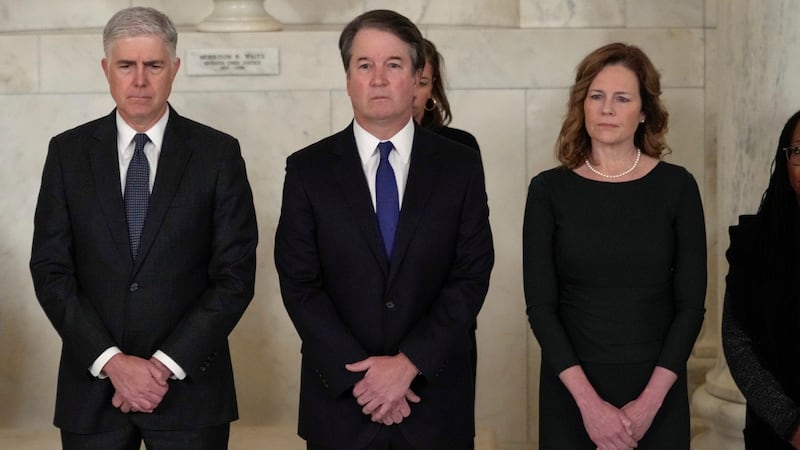
The justices rejected Trump’s sweeping emergency tariffs, struck down his executive order ending birthright citizenship, allowed states to keep counting mail-in ballots that arrive after Election Day, and blocked the president from firing a member of the Federal Reserve Board of Governors.
Those decisions infuriated Trump, who called the justices “fools,” “lapdogs,” and a “disgrace to our nation” after the tariff ruling.

The Gallup numbers suggest that even though the vast majority of the Supreme Court’s rulings during its most recent term upheld Trump’s agenda, the few times the court split from the White House weighed more heavily on Republicans’ evaluations, according to the research group.
The Daily Beast has reached out to the Supreme Court for comment.