I spent my birthday in Italy for the 1990 World Cup, and I was unable to buy an alcoholic drink.
It wasn’t that I was too young to order one, but because the Italian authorities had banned booze in the stadiums and nearby bars on game days to prevent the kind of hooliganism that was shaming the sport in Europe at the time.
The beautiful game had become tarnished by the ugly behavior of a small minority of violent thugs.
Cities like Rome, Milan and Cagliari—where England, the team with the most troublesome fans, was based—chose to make game-day sales of beer, wine and spirits illegal.
Understandably, restaurateurs and bar owners weren’t happy. Not even in wartime was there a problem in Rome with drunks, they argued. Not even in ancient Rome when the wine was flowing. The Romans were even more incensed when the fountains were turned off to prevent supporters from diving in.
Food and drinks sales on World Cup match days in the Eternal City were down by 85 percent. I had to make do with a Coca-Cola with my pasta before England’s third-place match in Bari (losing 2-1 to Italy).
But it worked.
There was very little hooliganism, and fans poured into Italy from around the globe for what is generally regarded as one of the great World Cup tournaments. Not so much for the soccer, but certainly for the welcome. The Italian government and the organizing committee had taken a controversial decision to protect the great majority of fans while accepting that its businesses would take a hit.
It wasn’t about money. It was for the common good.

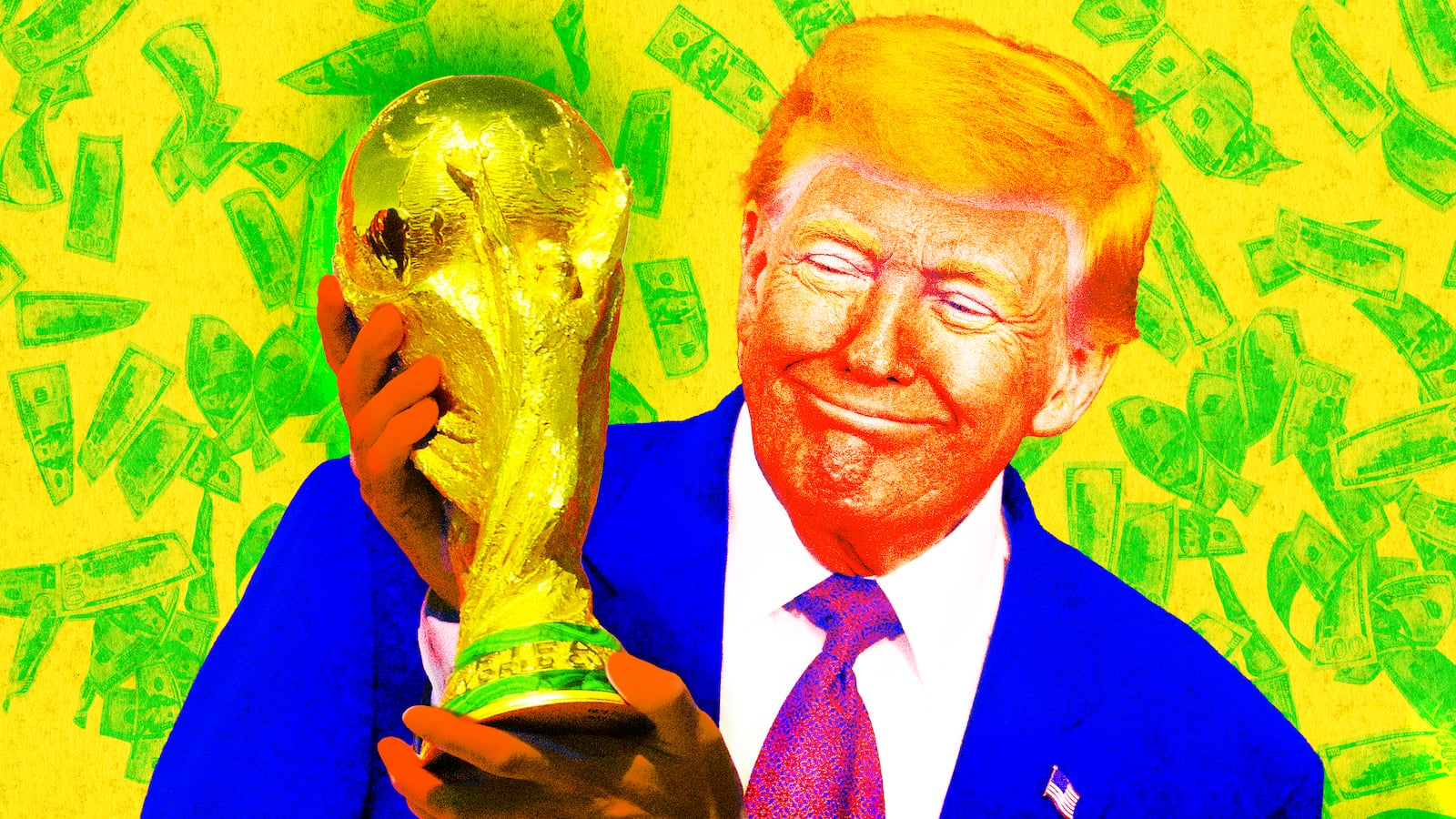
Now the world’s eyes are on the United States, and the president is already proclaiming it as a great success based on the sales of exorbitantly-priced match tickets. “There has never been anything close to what is happening,” Trump said in the Oval Office on Wednesday. Asked if fans heading to America from around the world should worry about visa problems, he was less reassuring.
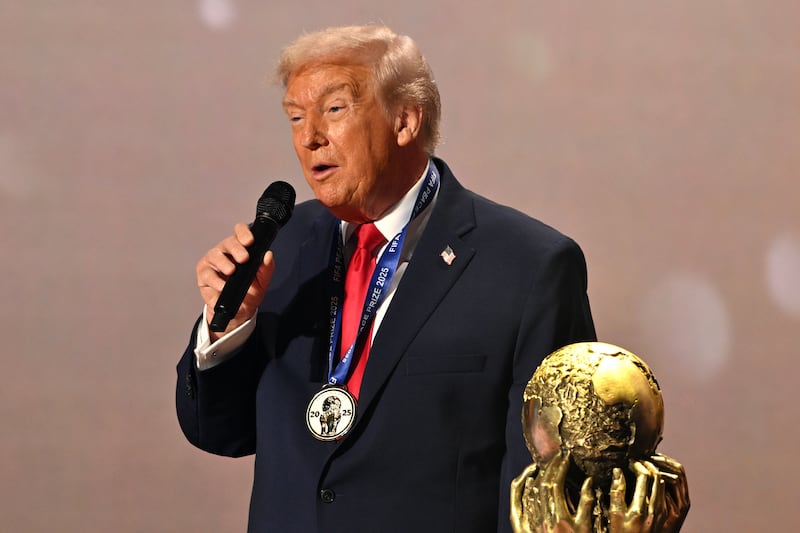
He said the U.S. was working to make sure “the right people” are allowed into the country.
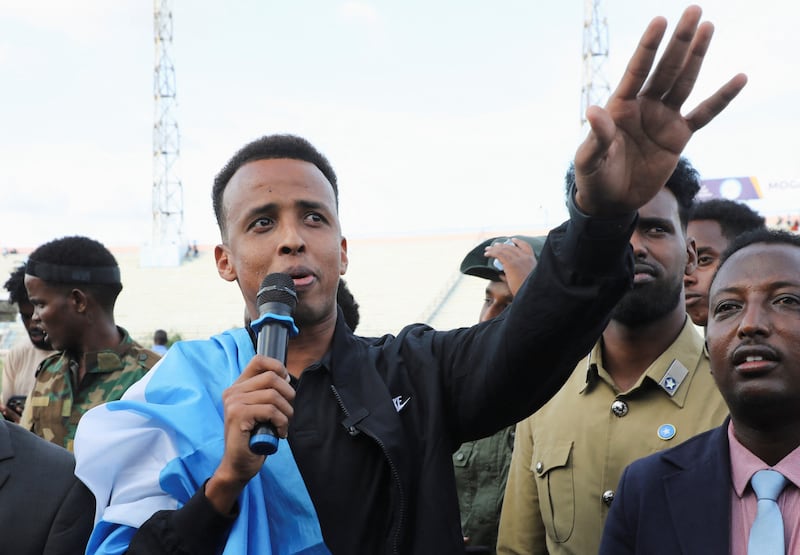
The right people apparently don’t include a FIFA referee from Somalia who was turned back at Miami International Airport as he arrived to officiate matches.
“I had the right papers and everything. I had the right visa,” Omar Abdulkadir Artan—Africa’s 2025 Referee of the Year—told the New York Times. His dream of refereeing a World Cup game ended with a return to the Somali capital, Mogadishu, to a hero’s welcome on Wednesday, before the tournament had even started.
Trump has repeatedly attacked Somalia, saying it’s not even a country and branding its people “garbage.”
Artan was placed in a holding cell, interviewed for 11 hours and told he was “determined to be inadmissible due to vetting concerns.”
Andrew Giuliani, son of the former New York mayor and executive director of the White House Task Force for the World Cup, wouldn’t say why Artan was sent home but insisted it was “for very good reasons.”
So much for transparency. Secrecy was once the domain of America’s enemies. Now it is the norm here.
It’s not a good look abroad. Former England and Arsenal striker Ian Wright, now a popular, glass half full pundit, called it a “World Cup of chaos” after hearing about Artan’s expulsion.

“I’ve just read that the Somalian referee has been denied entry. Every few hours it’s another story, another story about fans denied, players denied, officials denied, journalists denied, now refs,” he said in a video post on Instagram, adding “it’s not funny, it’s actually not funny and something has to be said.”
“The expensive tickets, the most expensive tickets ever, expensive accommodation, transport through the roof....
“Is this how the hosts behave really for the greatest game, the greatest tournament in the world? Is this how the hosts behave?” he continued. “Is this the spirit of football, really?
“You know who I feel for? I feel for the American fans who are desperate for this, American soccer fans who are desperate for this... How embarrassing for them this must be. This is the World Cup; this is a World Cup of chaos. Whoever wins this World Cup is going to have to go through some serious chaos to get this done. I hope we can do it, but something has to be said now. This is the World Cup.”
Dozens of journalists, many from the Middle East and Africa, have been refused clearance to cover the contest in the U.S.
An Iraqi team staffer was also sent back at customs.
There is understandable concern among fans flocking to the country over the next few days about whether they will be allowed in, especially as they have spent thousands of dollars on tickets, flights and accommodation.
According to a Moroccan website, 40 members of a supporters club were denied entry to the U.S. without explanation, despite having spent a fortune on travel to support their national team.
The specter of ICE that many have only read about up to now has suddenly become very real.
“What is happening to players and staff and fans coming to the U.S. for the World Cup is representative of the horrors millions of people in the U.S. are experiencing under this regime. It’s as if the administration wants to keep the world out of the World Cup,” said Tanya Greene, U.S. program director for Human Rights Watch.
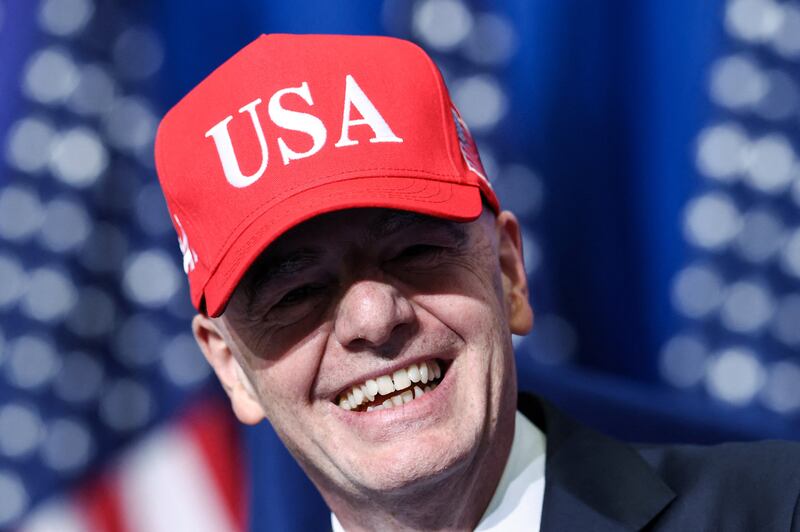
FIFA President Gianni Infantino has spent years sucking up to Donald Trump, and they share a love of money.
It’s the reason the World Cup has expanded from 32 to 48 teams in 2026. There will be 104 games instead of 64, and the revenue will rocket accordingly.

There will be games in Mexico and Canada—both countries Trump has talked of invading—but the U.S. gets the big ones, and the big money.
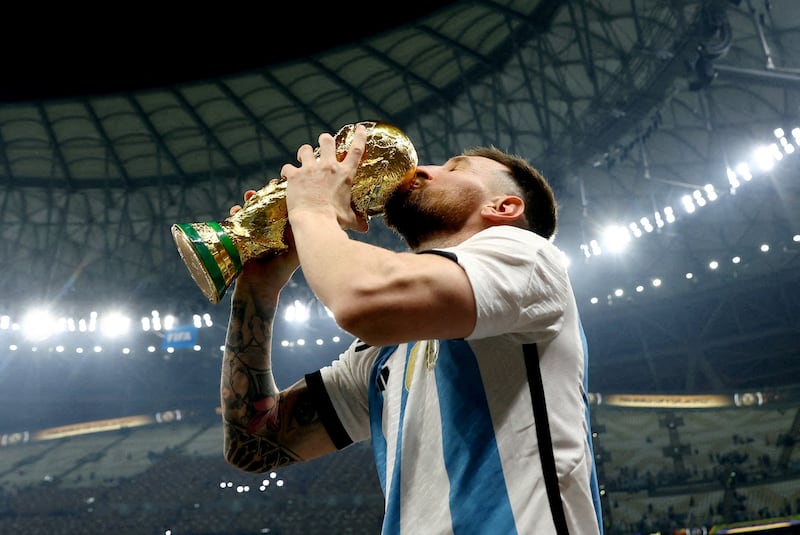
Unsurprisingly, they have jacked up the prices. The best regular seats for the U.S. team’s opener against Paraguay are priced at $2,735, which is more than it cost to attend the 2022 World Cup Final between France and Argentina. The cheapest tickets for the game are $1,120.
As of Tuesday, the match in Los Angeles was not a sell-out.
Few doubt that the 16 host cities will be well organized. But the ticket prices may well be prohibitive for the “people’s game.” Soccer fans are simply not used to paying the kind of ridiculous ticket fees commanded for events like the NBA finals or the Super Bowl.
The world has been hearing about Trump’s America. Now it is seeing it firsthand.
And, so far, it doesn’t look good.
We must hope that once the games begin, the United States is allowed to do what it does best and puts on the best show on Earth.
Not because of Trump, for he will surely claim the credit. But in spite of him.
Perhaps then the world will get to remember what this wonderful country truly stands for.