The Trump administration plans to make visa applicants pay thousands of dollars to enter the country, according to the description of a State Department pilot program that will be issued on Tuesday.
According to a notice in the Federal Register, the year-long program will apply to visa applicants hailing from countries that have high visa overstay rates and insufficient vetting procedures.
The countries most likely to be affected include Haiti and Venezuela, each of which had more than 20,000 citizens overstay their temporary visas in 2023.
Brazil, Russia, and India also had tens of thousands of people overstay their visas in recent years.
Chad had the highest percentage of visa holders overstaying their welcome in 2023 (49.5 percent), but had only 761 temporary visa holders overall.
Bond amounts will range from $5,000 to $15,000 once the program takes effect in 15 days, and will apply to applicants from a list of countries not yet announced.
For the countries that will be affected, most would-be travelers could be priced out of making the trip.
Currently, citizens applying for a B-1 or B-2 visas—for business or tourism, respectively—have to pay an application fee of $185 and schedule an interview.
These short-term visas can allow a person to stay in the U.S. for up to six months.
Arnoldo Benitez, an immigration attorney with offices in Massachusetts and Rhode Island, represents B-1 and B-2 visa applicants from Central America, South America, and Europe.
“The proposed rule will greatly affect my clients, especially with the [U.S. Citizenship and Immigration Services] fees that have also been increased recently,” Benitez told the Beast, referring to recent increases in the cost of applying to extend temporary visas.
The Big Beautiful Bill will also add a new $250 “visa integrity fee” to all temporary visa applications, further increasing the financial burden for hopeful travelers.
The department issued a notice for a similar pilot program in November 2020, during Trump’s lame-duck period after the election, but it was not implemented due to COVID-related travel restrictions.
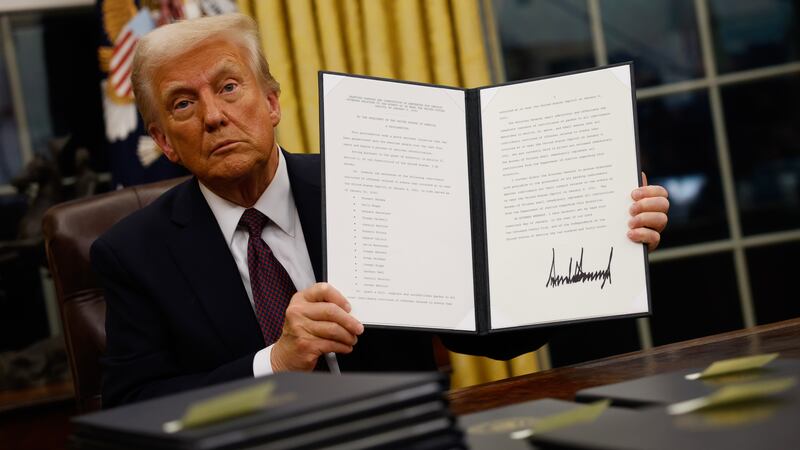
The notice fulfills an executive order Trump signed on his first day in office, instructing the State Department, the Treasury Department, and the Department of Homeland Security to implement visa bonds.
Applicants can be exempt from the new bond requirement of the pilot program if they are from a country enrolled in the Visa Waiver Program. That group consists mostly of European nations, along with U.S. allies such as Japan and Australia.
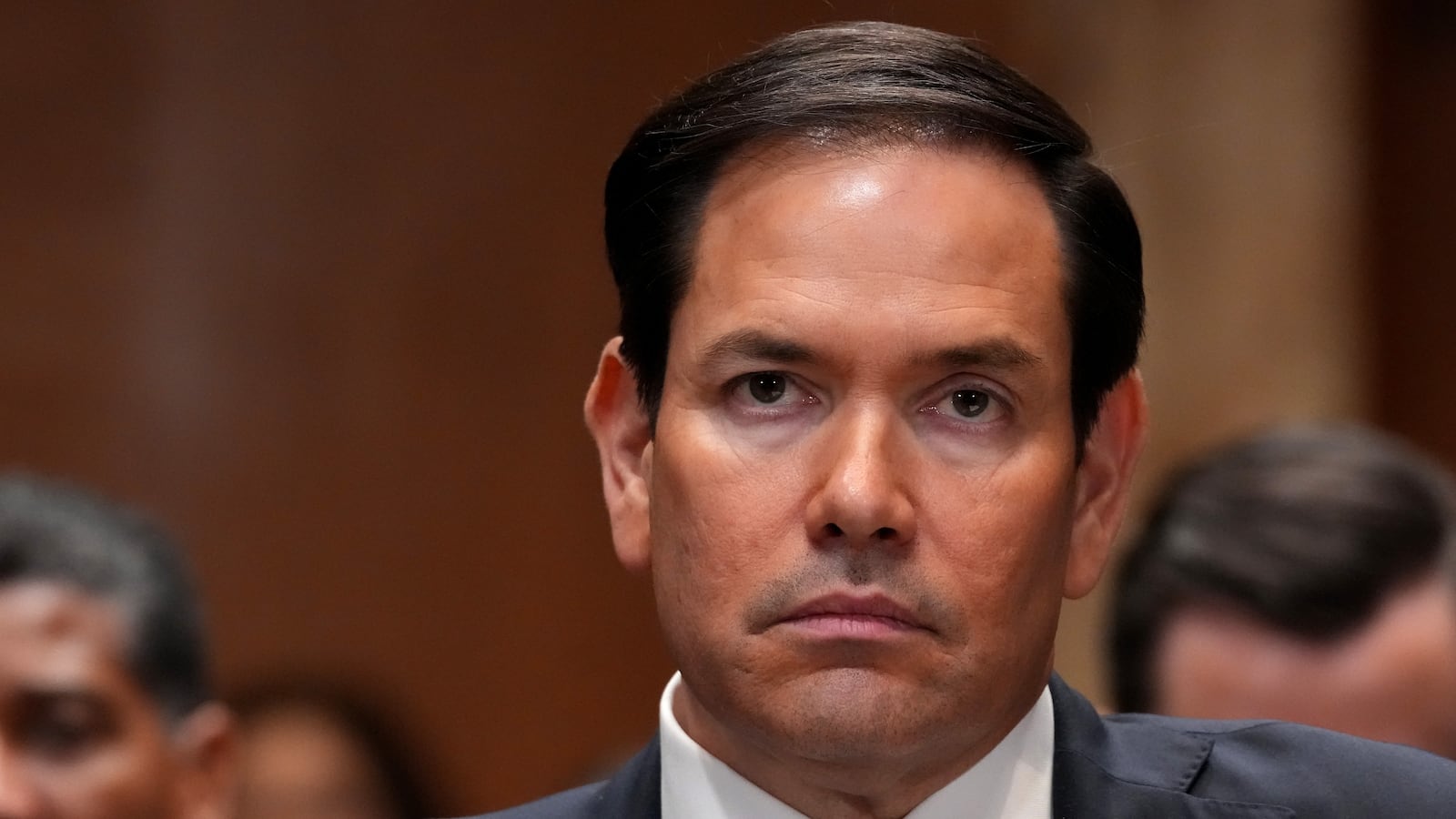
The State Department has tightened visa eligibility requirements across the board under the leadership of Secretary Marco Rubio.
DHS data shows that overstays among recipients of temporary visas make up a significant portion of the undocumented population, perhaps as much as 40 percent.
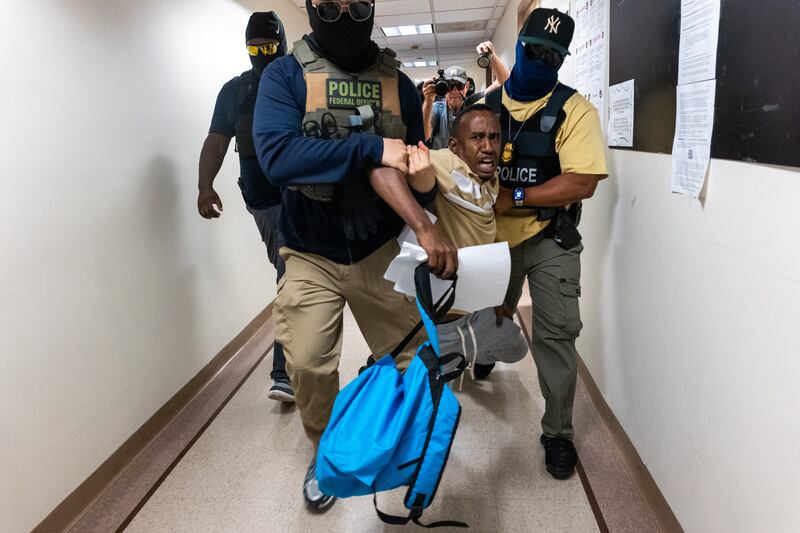
Outside of temporary visa holders, visas for permanent residents have also grown contentious in recent months. Visa hearings have become hotspots for Immigration and Customs Enforcement (ICE) detentions, as immigration authorities have targeted courthouses in major cities.
For instance, a college student from South Korea and a Peruvian immigrant named Keatty were both detained after routine visa hearings in New York City over the weekend.
Twenty-year-old Yeonsoo Go, a student at Purdue University, is the daughter of a priest and was in the process of switching from a religious visa to a student visa.
Keatty, whose last name has not been released, was seeking asylum from violence in her home country.
Benitez told the Beast that he hasn’t yet seen ICE attempt to deport his B-1 and B-2 visa clients immediately after their visas expire, but that it is within the realm of possibility.
“There’s always a risk if you are here without status. What happens is that risk was minimal in previous administrations.”
In a statement to the New York Daily News, a spokesperson for the Department of Homeland Security said the administration is “committed to restoring integrity to the visa program and ensuring it is not abused to allow aliens a permanent one-way ticket to remain in the U.S.”
The State Department did not respond to an immediate request for comment.