Trump Drives Up Prices at World’s Biggest Condom Maker
The world’s largest condom producer expects to raise prices by between 20 percent and 30 percent.

Tasos Katopodis/Getty Images
The world’s largest condom producer is set to hike up its prices as President Donald Trump’s war in Iran drives up the cost of key materials.
Karex, which produces more than 5 billion condoms a year and supplies major brands including Durex and Trojan—as well as public health systems like Britain’s NHS and United Nations programs—said prices could rise by up to 30 percent.
Like other manufacturers reliant on petrochemical inputs, the company is facing rising costs for key materials, including synthetic rubber, nitrile, and packaging components as Trump’s war disrupts oil and gas flows and complicates procurement.
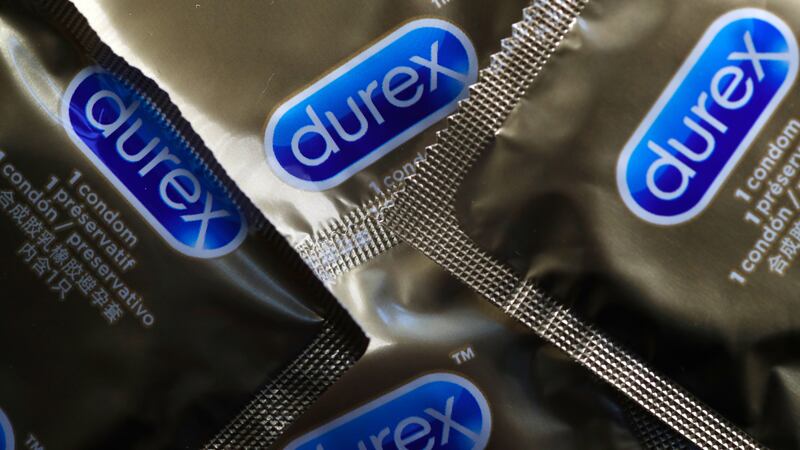
Karex produces more than 5 billion condoms a year and supplies major brands, including Durex.
Phil Noble/Reuters
It comes as global condom supplies are already shrinking, driven by sweeping foreign aid cuts—led by reductions from the U.S. Agency for International Development year.
At the same time, global demand has climbed about 30 percent this year. But shipping delays have worsened shortages, with deliveries to markets such as Europe and the United States now taking nearly two months—roughly double previous transit times.

CEO Goh Miah Kiat told Reuters the company expects to raise prices by between 20 percent and 30 percent, with the possibility of further increases if disruptions persist.

“The situation is definitely very fragile, prices are expensive... We have no choice but to transfer the costs right now to the customers,” Goh said.
Sign Up for The Swamp Newsletter
By clicking “SUBSCRIBE” you agree to our Terms of Use and Privacy Policy.
“We’re seeing a lot more condoms actually sitting on vessels that have not arrived at their destination but are highly required,” Goh added, noting that many developing countries are struggling with limited supplies as delays slow distribution.
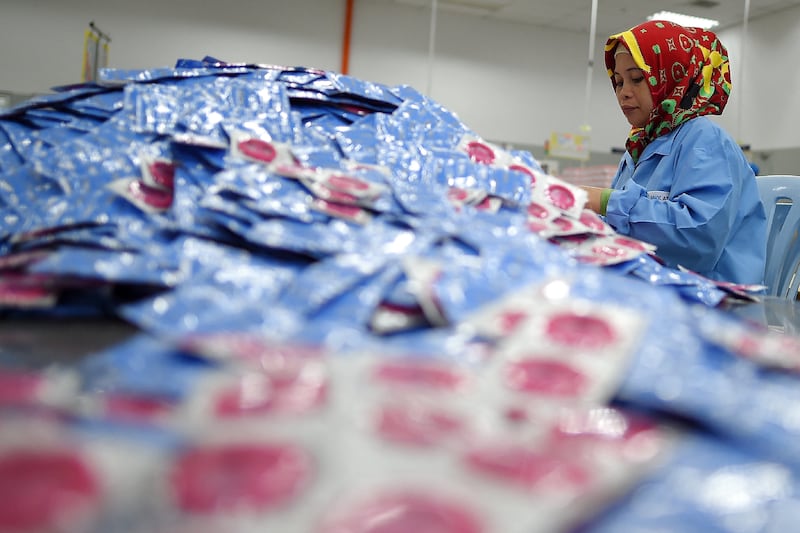
The rising prices come as global demand for condoms has climbed about 30 percent.
MANAN VATSYAYANA/AFP via Getty Images
Trump’s war in Iran has caused chaos for the global economy, with oil and gas prices spiking.
Brent crude surged from roughly $70 per barrel at the onset of the conflict to above $110 at its peak.
Meanwhile, U.S. inflation climbed to 3.3 percent in March, its highest level in two year, according to the Bureau of Labor Statistics’ consumer price index, with rising gasoline costs playing a major role in the increase.

Forecasts for the outlook have also been revised upward in the wake of the war. The International Monetary Fund now expects U.S. inflation of 3.2 percent in 2026, up from a pre-war estimate of 2.5 percent. And the Organization for Economic Co-operation and Development has lifted its projection from 2.8 percent to 4.2 percent.
“By the end of the year, prices will be notably higher than they would have otherwise been,” Joseph Gagnon, senior fellow at the Peterson Institute for International Economics, told the Financial Times.
“[Inflation] is going to gradually unwind, but it’s not going to fully unwind even by December — it’s going to be in some noticeable amount higher than it was in January.”
Amid the strain on the economy, the latest Reuters/Ipsos poll showed that Trump’s approval on the cost of living stands at just 26 percent, tied for the lowest reading yet for him.
Similarly, just 26 percent of respondents said they believe the U.S. military action in Iran has been worth its costs
See more of our coverage in your search results.

Got a tip? Send it to The Daily Beast here.
Register below to read this article for free or subscribe
to unlock unlimited access to The Daily Beast.
Monthly
$1
First month then $5.99/month
Annual
$35
First year then $59.99/year
Premium
$79
First year then $119.99/year
*Substack access provided by the next business day, using your subscription email. Choosing the Premium plan constitutes your permission to share your subscription email with Substack and your agreement to Substack’s Privacy Policy.
Already have an account? Sign In
Looks like you already have a subscription!
You're all set!
Thanks for subscribing.
Sign in or create an account
Login dialog
Loading comments…