
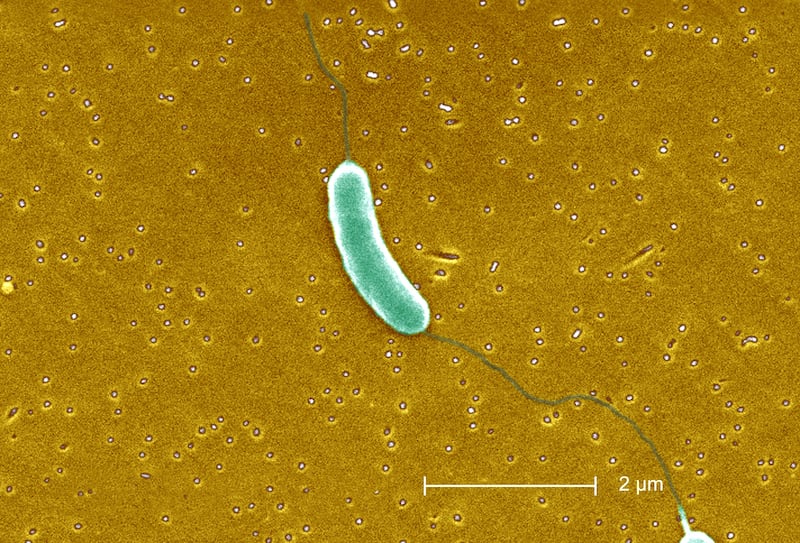
Americans heading to beaches and coastal destinations for the Fourth of July weekend are being warned about a potentially deadly bacterium lurking in the water—and experts say the Trump administration may be less prepared than ever to track its spread.
Researchers this spring detected Vibrio vulnificus, often referred to as a “flesh-eating” bacterium, in several coastal locations on New York’s Long Island, prompting local officials in the Hamptons to issue public alerts. Florida has already recorded eight infections this year, while health authorities in Mississippi urged residents to take precautions.
According to the Centers for Disease Control and Prevention, roughly one in five people infected die, sometimes within 24 to 48 hours. Severe cases can trigger septic shock, destroy tissue, and require amputations.
Scientists and former public health officials say an alarming trend is unfolding at the same time: the rollback of disease surveillance programs under President Donald Trump.

As first reported by KFF Health News, last year, the administration stopped requiring states participating in the CDC’s FoodNet surveillance network to report several foodborne pathogens, including Vibrio. While federal officials insist other monitoring systems remain in place, critics argue the change makes it harder to identify outbreaks and spot emerging trends before they become larger public health emergencies.
“The more surveillance you get, the more you can connect the dots,” food safety attorney Bill Marler told KFF Health News. “If a tree falls in the woods and you don’t hear it, did the tree fall?”
Former CDC Director Tom Frieden said the cuts come at a time when microbial threats are becoming more common.
“We are letting down defenses that were necessary to protect against microbial threats,” Frieden told KFF Health News. “Instead of protecting, we’re doing the opposite.”
The concern extends beyond Vibrio. Public health officials have grappled with the reappearance of screwworm infections in animals in the United States and an Ebola outbreak in the Democratic Republic of Congo.
Critics have also questioned the administration’s withdrawal from the World Health Organization and cuts to international health programs previously funded through USAID, arguing that those moves weaken early-warning systems designed to stop outbreaks before they reach American shores.
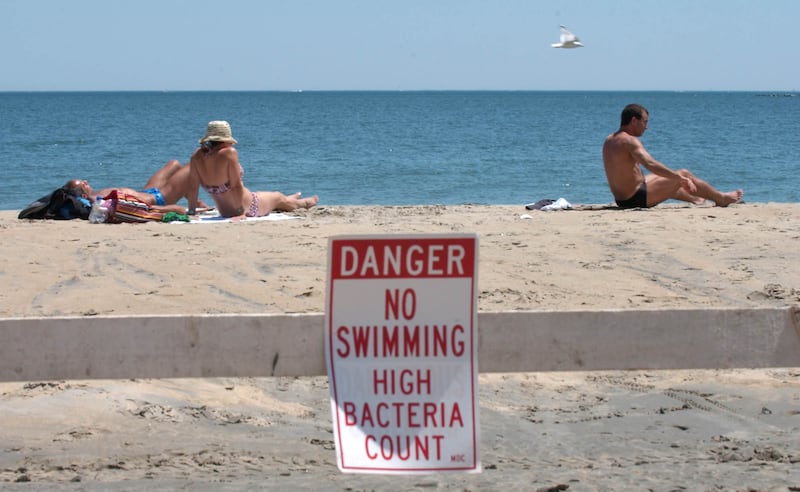
The CDC estimates roughly 80,000 Vibrio infections occur in the United States each year. Infections caused by Vibrio vulnificus are among the most dangerous and have been steadily increasing in recent years.
For beachgoers, the advice remains simple: avoid entering saltwater with open wounds, seek medical attention immediately if an infection develops, and think twice before ordering raw oysters this holiday weekend.