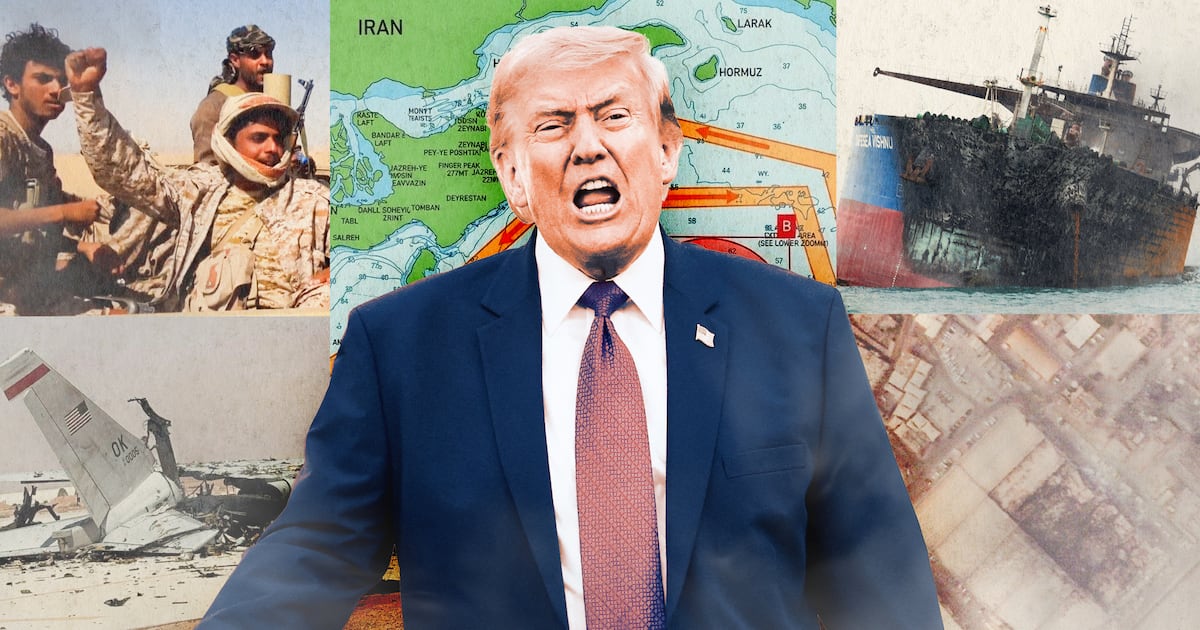
President Donald Trump’s war in Iran has caused an economic mini-disaster, according to new data.
The U.S. economy took a hit in the second quarter, slowing to an annualized growth rate of 1.5 percent as Trump’s conflict hammered energy markets, fractured supply chains, and drove up everyday costs.

The sluggish output marks a noticeable drop from the 2.1 percent rate of growth recorded in the first three months of the year, according to initial estimates released by the Bureau of Economic Analysis.
Before Thursday’s GDP report, most economists expected the economy to grow by about 2 percent to 2.1 percent at an annualized rate in the second quarter, so the 1.5 percent growth rate represents an unwelcome economic surprise.
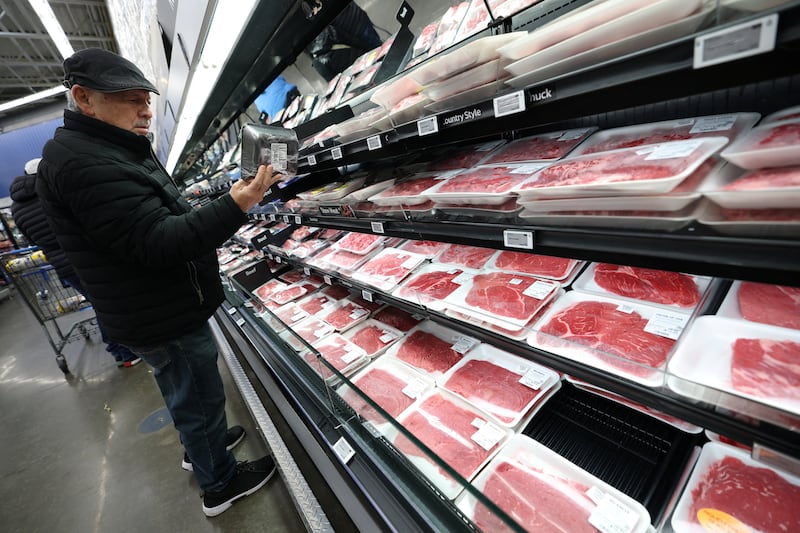
While crude oil prices have cooled off from their spring peaks, American families and businesses are still getting squeezed by elevated prices at the pump and rising costs for petroleum-derived goods. Because gross domestic product figures adjust for inflation, those persistent price spikes dragged down the nation’s overall growth numbers.
The news comes after a new CNN poll, conducted by SSRS, found that 63 percent of Americans say that the Republican Party doesn’t show enough interest in economic matters, and is focusing too little on cost-of-living issues.
In a deepening issue for Trump, Americans believe that the war isn’t even worth fighting. About two-thirds of U.S. adults say the conflict, which began on February 28, has not been worthwhile, according to a survey from The Associated Press-NORC Center for Public Affairs Research.
But despite the conflict and the economic chaos it creates, consumer spending and business investment, particularly tied to the artificial intelligence boom, remain somewhat resilient.
A key measure of underlying growth, which combines consumer spending with gross private investment, rose 3.9 percent in the second quarter, up from 1.7 percent in the first quarter.
“It’s a chug-along economy until further notice,” Dan Alpert, a senior fellow in macroeconomics at Cornell Law and top partner at a financial firm, told The New York Times.
Earlier this year, the Trump administration rolled out tariffs ranging from 10 to 12 percent on goods from more than 80 countries. However, in May, a federal trade court ruled that the global import tax was unlawful.
Although economists generally do not forecast that the remaining tariffs will send the economy into a downturn, they expect the levies to act as a drag on growth while increasing costs for consumers. A Yale analysis estimated that the tariffs could leave the typical American household paying about $1,100 more each year.
Meanwhile, global chokepoints for oil, like the Strait of Hormuz, remain blocked, keeping the specter of fuel shortages looming. Grocery prices and air fares have already surged.
The Federal Reserve left interest rates unchanged Wednesday, resisting pressure to take more aggressive action on inflation. However, three of the Fed’s 12 policymakers dissented, voting instead to raise interest rates—a sign that concern over persistent inflation is growing within the central bank led by Trump’s man, Kevin Warsh.