The United States lost 23,000 jobs last month in a massive blow to Donald Trump’s boasts of a booming economy.
The bombshell jobs decline came despite economists predicting an 83,000-job gain in July.
The Labor Department also revised down jobs figures for May and June by a combined 103,000, suggesting there were fewer jobs than originally thought.

The summer hiring slump comes as the president and Republicans are seeking to paint the economy in the most positive light in the run-up to the midterm elections.
Trump’s “hot” economy is one of the key platforms Republicans were relying on, with an impasse over the unpopular Iran war and worries over affordability. The Bureau of Labor Statistics report suggests an underlying fragility in the jobs market, with revisions showing earlier figures were weaker than they appeared.
July’s figures showed a massive fall from June, which was already revised down from 57,000 to 20,000. May’s jobs were almost halved from the original estimate of 129,000 to 66,000.
Economists had predicted the jobs market would grow by between 83,000 and 95,000.
The main areas shedding jobs were said to be local government and the leisure and hospitality industry. While healthcare continued to add another 22,000 jobs in July, it was a much slower pace than the 36,000 monthly average over the past year.
The loss in hospitality jobs was especially jarring with the U.S. hosting the soccer World Cup last month.
Renewed tariffs and higher costs driven by gas prices and the war were blamed for the lower-than-expected figures.
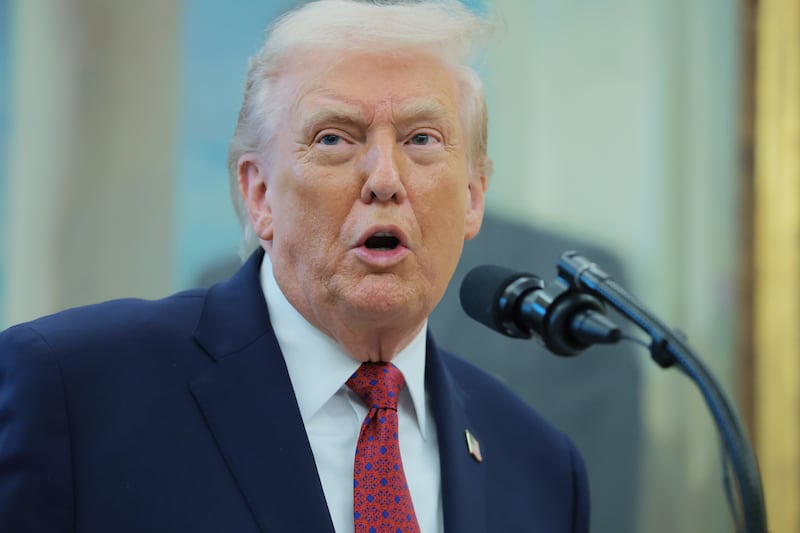
The White House was unbowed by the report.
“The Trump industrial resurgence is on schedule. Manufacturing and factory construction jobs grew again in July even as government payrolls continued to significantly shrink. Unemployment claims are at record lows,” said a White House spokesperson.
The unemployment rate dropped in July from 4.2 percent to 4.1 percent as workers left the labor force. It has been below 4.5 percent for a record 58 consecutive months, the longest streak on record.
Wall Street appeared to welcome the surprise jobs report, seeing it as a sign that it could force the Federal Reserve into cutting interest rates. Stock futures were higher, and Treasury yields fell as fears of rate hikes eased.