President Donald Trump took a fresh economic hit on Wednesday when the Federal Reserve hiked interest rates for the first time since 2023.
The central bank’s decision came as Americans face higher costs, largely fueled by the president’s war with Iran and tariffs. Hiking rates is the Fed’s key tool to combat inflation.
The committee decided to raise the rate by a quarter of a percentage point to between 3.75 percent and four percent.
“Inflation remains elevated. Today’s policy action will support a timelier return to the Committee’s 2 percent goal,” the statement read.
The rate hike was unanimously approved. Most officials also indicated a second rate hike this year.
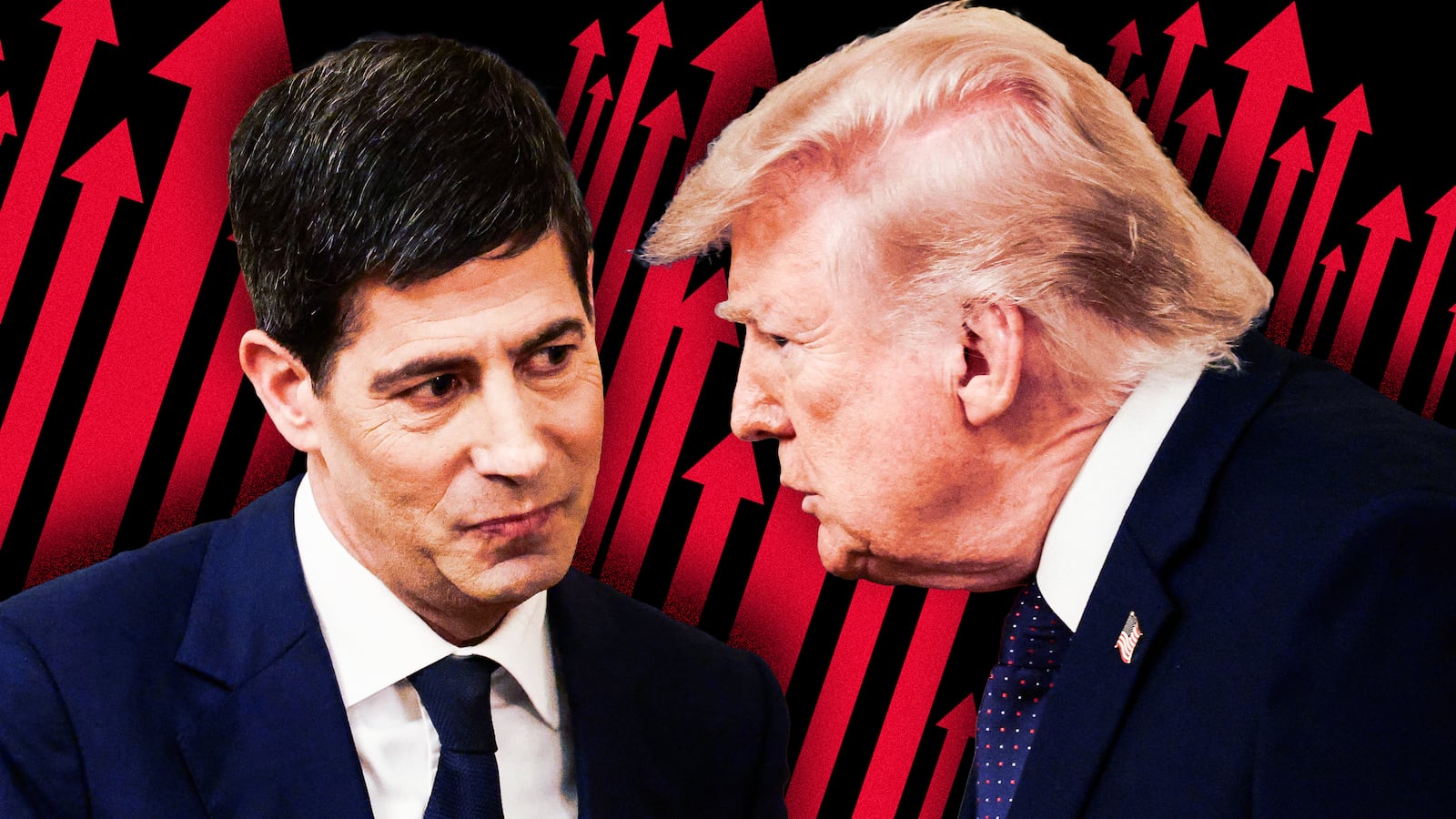
The move could spark tensions between Trump and his hand-picked Federal Reserve Chair Kevin Warsh, who took office in May.
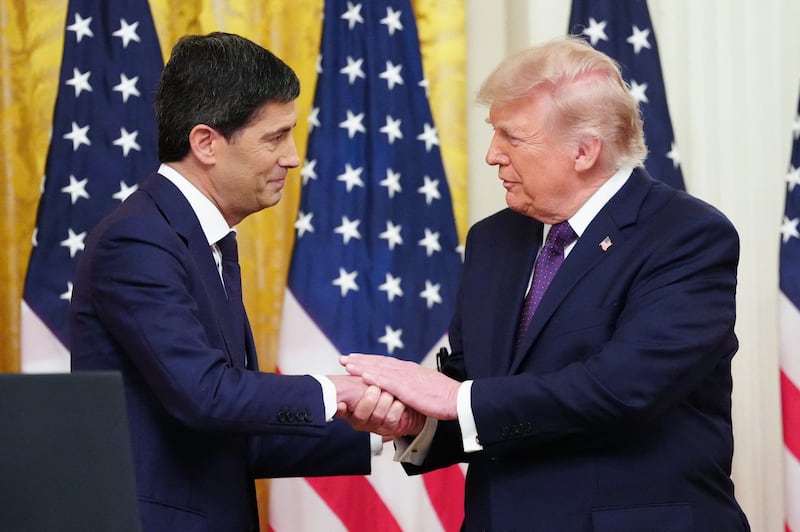
Trump has spent most of his first year in office attacking former Chair Jerome Powell for not bringing down the federal funds rate as fast as he wanted. The last time the rate was cut was under Powell last December.
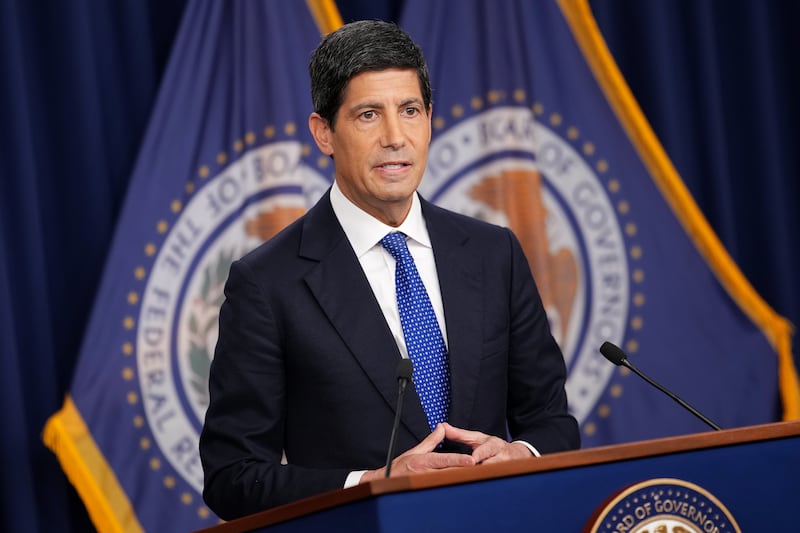
Asked at his press briefing on Wednesday about when he last met with Trump and whether he had any plans to meet with the president soon, Warsh would not say.
“I don’t have anything for you on discussions with the president,” Warsh said.
This year, the rate has been held steady in the target range of 3.50 percent to 3.75 percent as the Fed monitored the state of the U.S. economy. But that is about to change.
The Fed has not hiked interest rates since July 2023 when Joe Biden was president. It then began cutting rates in 2024 while Biden was still in office.
The first Federal Open Market Committee (FOMC) meeting under Warsh took place in June. Rates were also held steady at his second meeting as chairman in July.
While Trump raged about Powell not cutting rates, he stood by his pick to lead the Federal Reserve after the July announcement not to cut rates, calling him a “brilliant guy.”
“I know he’d love to see lower interest rates, but he’s got a board, and it’s a political board, and they want to keep rates up, but we fight through rates," Trump said in the Oval Office on July 29.

He never mentioned the “board” when he repeatedly attacked Powell before the former Fed chair’s term ended and instead suggested he had the unilateral power to slash rates.
Leading up to Wednesday’s announcement, investors were bracing for a hike as a series of fresh inflation data was not encouraging.
Warsh expressed concern in late August about elevated inflation while speaking at the Fed’s annual symposium in Jackson Hole, Wyoming, where he warned inflation remains too high
“We must be confident that underlying inflation is moving to our objective, clearly and at sufficient speed. Otherwise, we have work to do,” he said at the time.
But on September 4, in response to the August jobs report, Trump posted on Truth Social again demanding interest rate cuts and threatened to stop trade if it did not happen.

“LOWER THE RATE OR I’LL STOP TRADING WITH COUNTRIES WITH WHICH WE HAVE A DEFICIT, which the U.S. Supreme Court, in its ridiculous and very costly Tariff decision, strongly acknowledged ‘the President’ has an absolute right to do. IT’S BETTER THAN TARIFFS! The Fed Board, with its great new leader, must get smart - BE PATRIOTS for a change,” he wrote. “High interest rates put the U.S.A. at a very unfair disadvantage, and I won’t allow that to happen!”
Warsh was asked to respond to the president’s threat on Wednesday, along with whether they had plans to speak.
“Part of the independence of the Federal Reserve is we stay in our lane. Independence is a two-way street. We let people that do trade policy and fiscal policy stay in their lane too. That’s how we can stand up here and call them the way we see them,” he said.