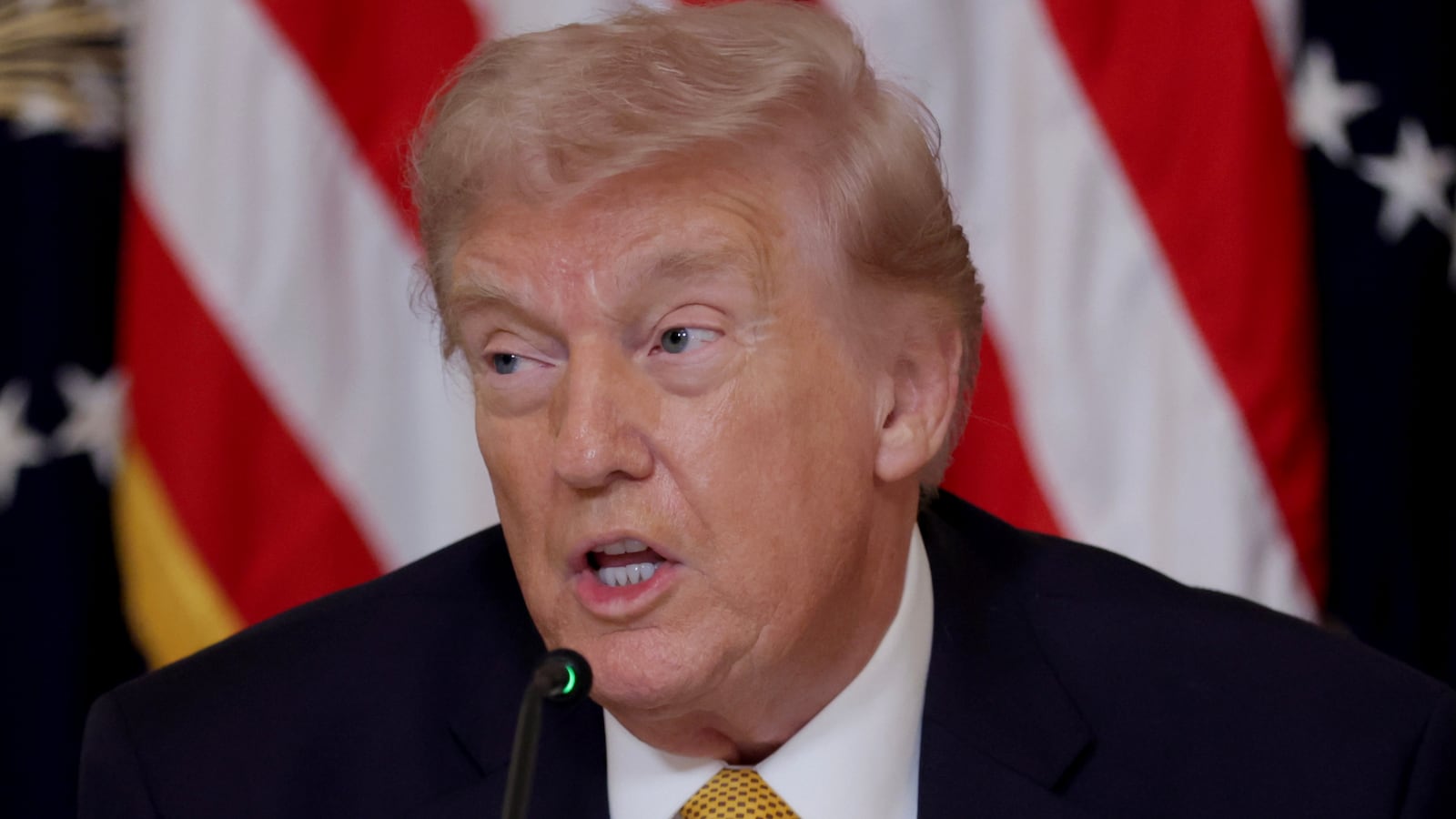
President Donald Trump has resurrected and installed a controversial statue on White House grounds.
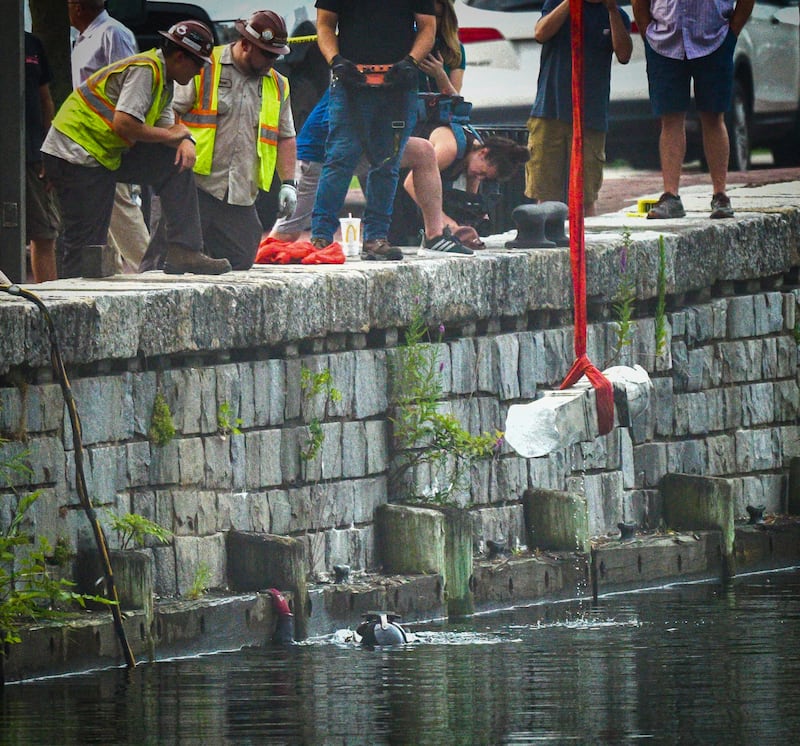
The statue of Christopher Columbus is a recreation of one that was dismantled and thrown into the river by protesters in Baltimore in 2020 during the nationwide Black Lives Matter protests.
Text on the new statue, made from marble from the original, states that it was originally dedicated in 1984, then destroyed in 2020 and “resurrected” in 2022, as seen in photos obtained by The New York Times.
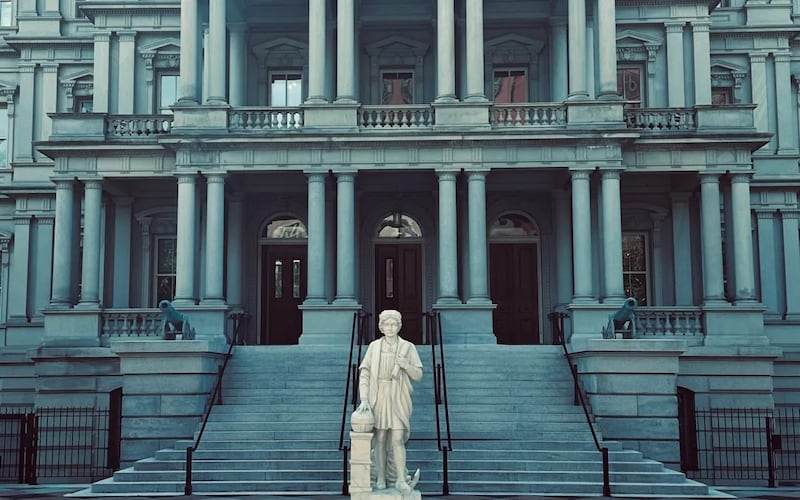
It was gifted to the White House by the Italian American Organizations United of Baltimore in October, and was installed outside the Eisenhower Executive Office Building on the weekend.
It had previously been reported that the statue would be installed on the south side of the White House lawn. In a statement made in February, White House spokesman Davis Ingle said of the installation, seemingly referencing The Sopranos, “In this White House, Christopher Columbus is a hero. And he will continue to be honored as such by President Trump.”
The Daily Beast has contacted the White House for comment.
In a letter addressed to Basil Russo, president of the Conference of Presidents of Major Italian American Organizations, Trump informed him that the statue was now residing on the north side of the Eisenhower Executive Office Building on the White House campus.

“I am truly honored that this magnificent statue will now sit on the grounds of the White House,” he wrote, adding that the statue stands as an “eternal memorial to courage, adventure, and the noblest aspirations of the human spirit as well as the extraordinary pride of our wonderful Italian American community.”
The president seized upon the issue of changing attitudes towards Columbus—which saw more than 30 monuments to the explorer removed across the country six years ago—upon his return to the White House, writing on Truth Social last year that he would be “bringing Columbus Day back from the ashes.”
“The Democrats did everything possible to destroy Christopher Columbus, his reputation, and all of the Italians that love him so much,” Trump wrote. “They tore down his Statues, and put up nothing but ‘WOKE,’ or even worse, nothing at all! Well, you’ll be happy to know, Christopher is going to make a major comeback. I am hereby reinstating Columbus Day under the same rules, dates, and locations, as it has had for all of the many decades before!”
To that effect, in October, he signed a presidential proclamation that recognized Columbus as “the original American hero” and formally acknowledged the annual holiday, celebrated on the second Monday in October.
He has not shied away from revealing his motivations, telling reporters in January, “The Italian people are very happy about it. Remember when you go to the voting booths, I reinstated Columbus Day.”

The installation of the statue is the latest in a long line of changes the president has made to the White House grounds during his second term, including the demolition of the entire East Wing in order to accommodate his extravagant ballroom.
Trump has also revealed plans to renovate the Eisenhower Executive Office Building—in front of which the statue now stands—telling Fox News’ Laura Ingraham in November that he wanted to paint the 137-year-old building stark white.
“Are you not worried it’s like… a big white blob?” Ingraham, who worked in the building during the Reagan administration, asked the president.


“No, what it does is it brings out the detail,” Trump retorted while Ingraham seemingly cringed at the mock-up he was brandishing.
Explaining to Ingraham that the building was considered “really ugly” when it was first built in 1888, he said of his proposed changes, “They used gray stone, gray is for funerals, look at it now, how beautiful that is.”
He also admitted that he wasn’t sure if the renovations would even be going ahead, telling Ingraham, “I don’t even know if I’m going to do it yet, I’m getting costs, I’m getting bids right now from painters, and we’ll see. It would be a great addition to Washington.”
One group filed a lawsuit in response to the proposed changes, arguing that they violate federal preservation and environmental laws.