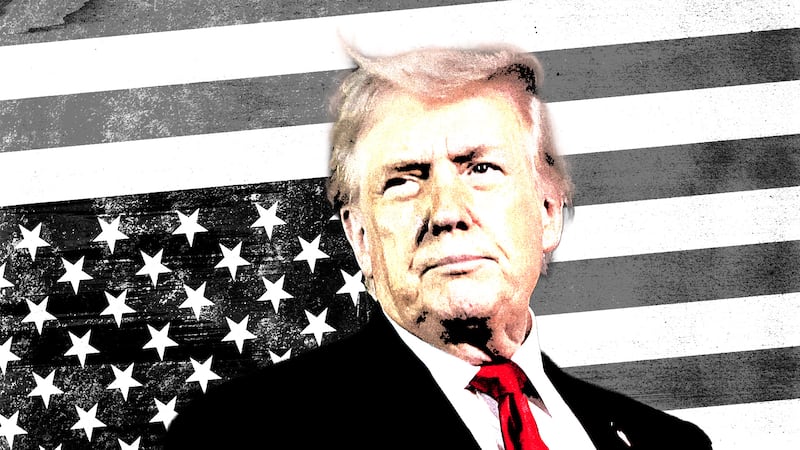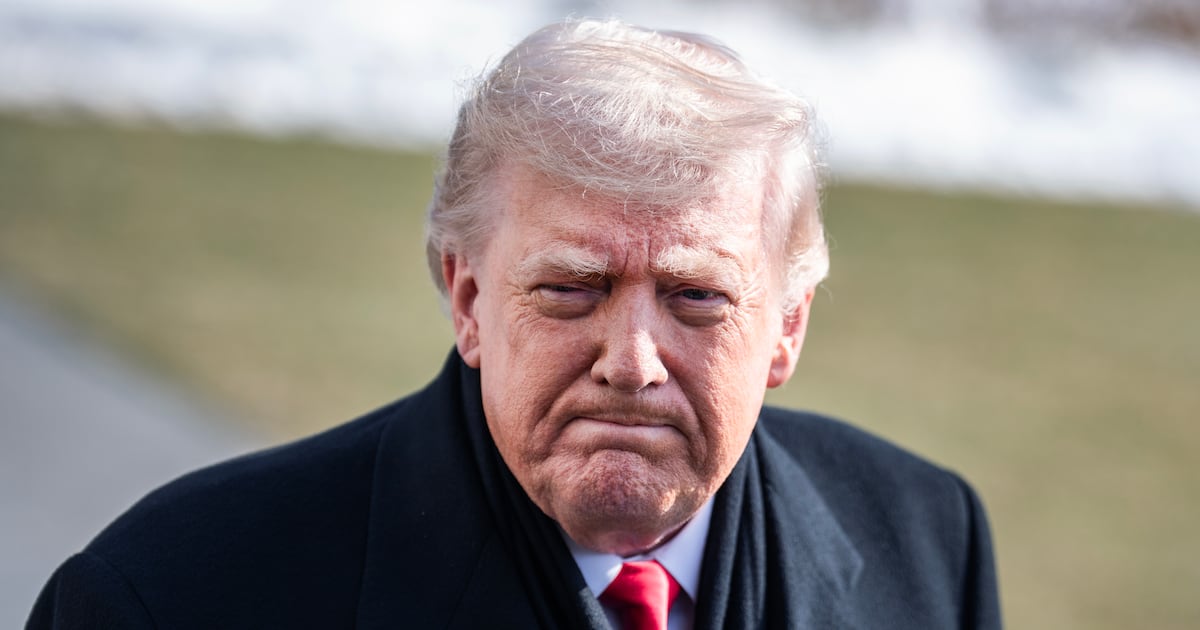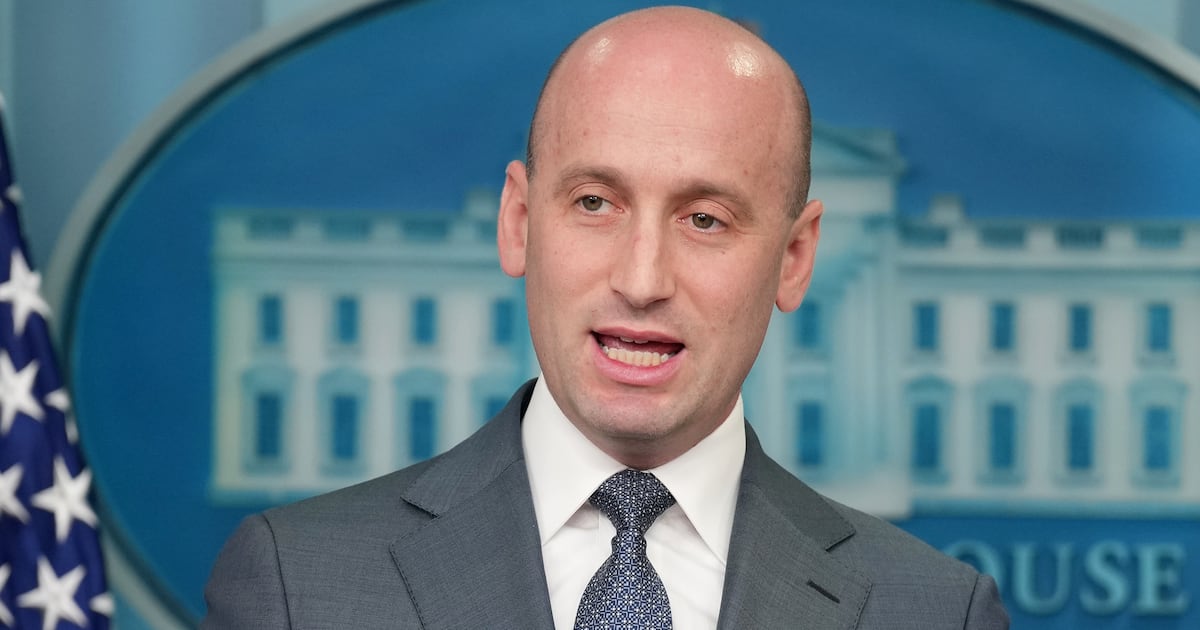
President Donald Trump has declared that people sometimes “need a dictator” as he appeared on the world stage to assert America’s dominance.
Not long after the president doubled down on his bid to seize Greenland, Trump said the quiet part out loud as he addressed business leaders on the sidelines of the World Economic Forum in Davos, Switzerland.
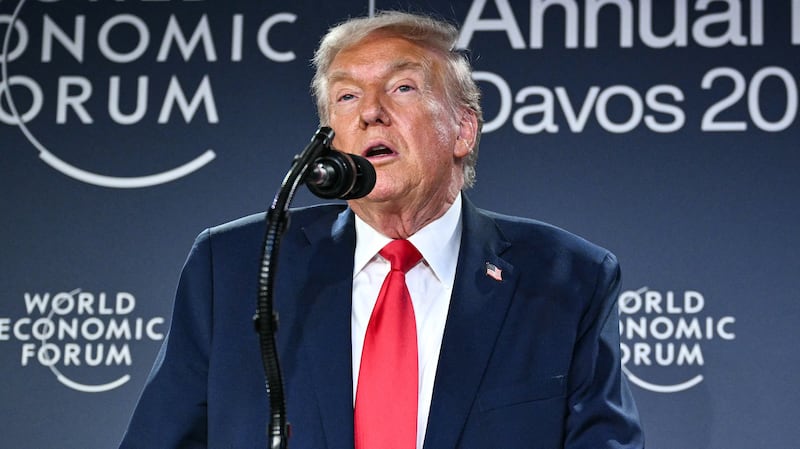
“We had a good speech, we got great reviews. I can’t believe it, we got good reviews on that speech,” he said, in an apparent reference to the speech he had given at the forum earlier.
“Usually they say: he’s a horrible dictator type person; I’m a dictator. But sometimes you need a dictator. But they didn’t say that in this case.”
The comment is not the first time Trump has likened himself to an authoritarian.

He drew widespread criticism for making a similar comment ahead of the 2024 election, when he told Fox News’ Sean Hannity that he would be a dictator, but only for his first day of office as he sought to “drill baby drill” and close the southern border, two of his signature election policies.
Since then, however, the president has come under fire for acting like a dictator across multiple fronts, weakening democratic norms and centralizing power.
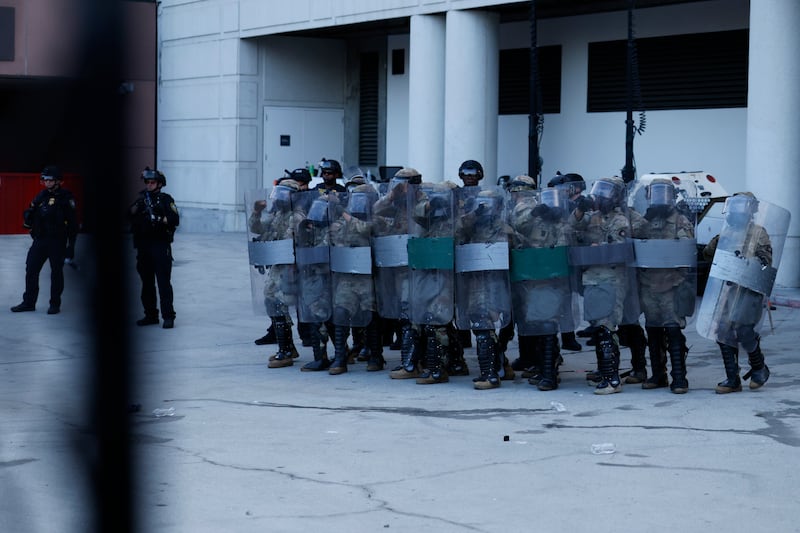
In the past year alone, he has bypassed Congress to conduct lethal boat strikes in the Caribbean sea; purged and politicized the federal workforce; targeted opponents for retribution; and deployed troops in US cities to crack down on dissent.
He has also suggested cancelling the upcoming midterm elections, most recently in an interview with Reuters where he argued “we shouldn’t even have an election” on account of how much he had accomplished.
During his speech in Davos on Wednesday, Trump also praised two authoritarians, Russian President Vladimir Putin and Chinese President Xi Jinping, while lashing out at America’s traditional allies, including France, the UK, and Denmark.
“We give so much and we get so little in return,” he lamented.
Trump’s latest power grab for Greenland has raised further alarms of overreach in recent weeks, particularly after he initially refused to rule out using the military to get his way.
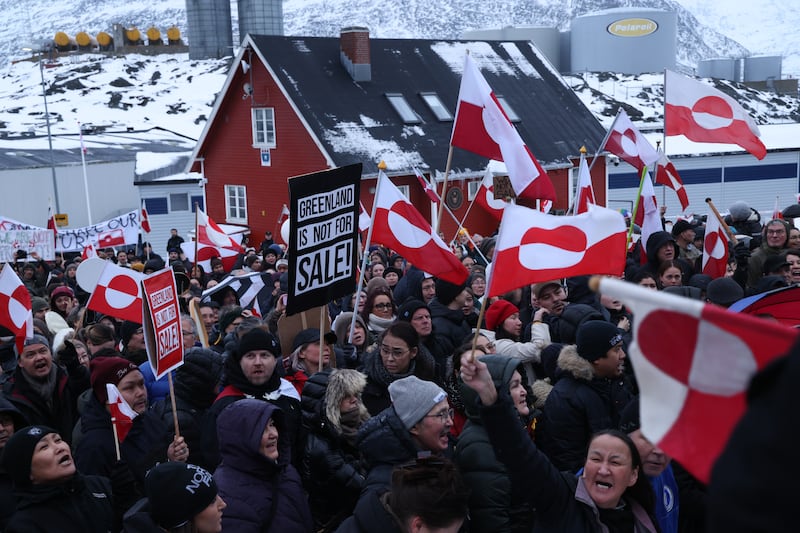
Doing this would be highly controversial, as Greenland is a self-governing democratic territory of Denmark. It is also a fellow NATO member, and military action would therefore be a gross violation of international law and state sovereignty.
Trump has since vowed not to invade the island with force, but insisted that only the U.S. had the might to defend the mineral-rich island.
But after meeting with NATO secretary-general Mark Rutte on Wednesday, he announced he had formed a “framework for a future deal with respect to Greenland and, in fact, the entire Arctic Region.”

The announcement came with no details but was a major softening of the president’s rhetoric, which came in the face of widespread pushback from America’s allies.
“This solution, if consummated, will be a great one for the United States of America, and all NATO Nations,” he wrote on Truth Social.
“Based upon this understanding, I will not be imposing the Tariffs that were scheduled to go into effect on February 1st.”
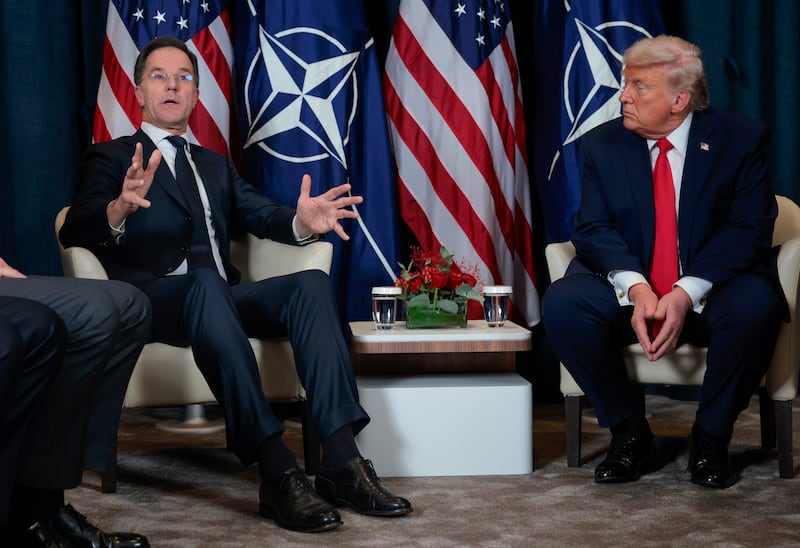
Trump had threatened to impose new tariffs on European nations if they oppose him on Greenland.
In response, the European Union on Wednesday suspended its work on a trade deal it had brokered with the Trump administration last summer.
French President Emmanuel Macron also hit out at the president’s rhetoric, saying that “we do prefer respect to bullies” and “we do prefer rule of law to brutality.”
Canadian Prime Minister Mark Carney said the U.S.-led global system was enduring “a rupture,” while Danish lawmaker Anders Vistisen was far more scathing.
“Let me put this in words you might understand,” he said during a debate at the European Parliament over the future of Greenland. “Mr. President, f--- off.”