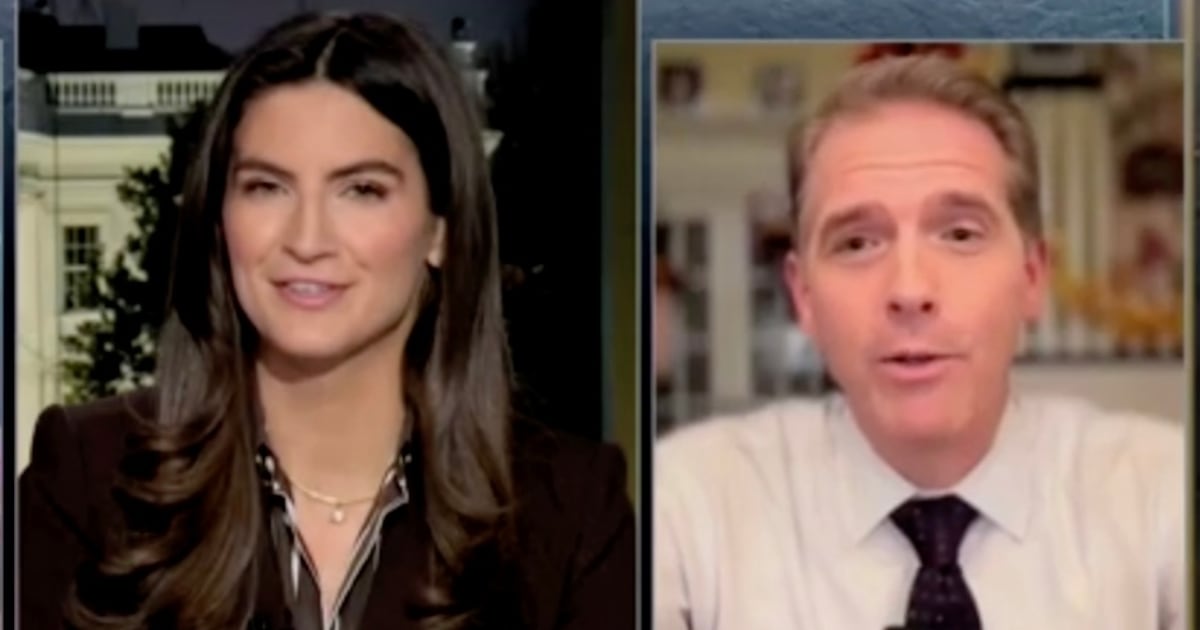
Samuel Alito’s swipe at Sonia Sotomayor now has an official excuse: He misunderstood.
The conservative justice appeared to complain that his liberal colleague had blindsided him by reading a rare dissent from the bench in a major asylum case.
“There is much that I would have added to my bench statement had I known there would be a dissent read,” Alito said.
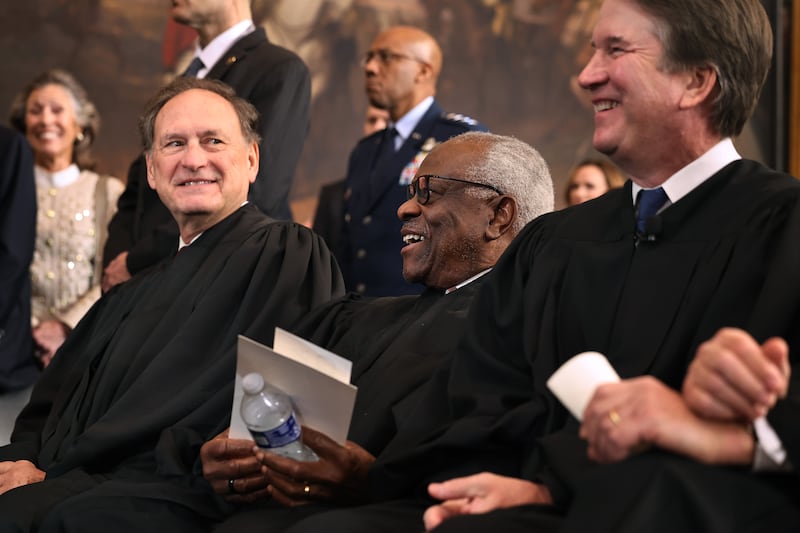
But a Supreme Court spokesperson said Alito had, in fact, been notified in advance that Sotomayor planned to read from her dissent.
“Justice Alito was notified in advance by Justice Sotomayor’s chambers that she would be reading a dissent from the bench,” the spokesperson said in a statement to CNN and NPR.
“It was a misunderstanding on Justice Alito’s part.”

The flare-up came on Thursday after the court’s conservative justices handed down a 6-3 decision in Mullin v. Al Otro Lado, a case involving migrants turned away at the U.S.-Mexico border before setting foot on American soil.
The court ruled that those migrants had not legally “arrived” in the United States for the purposes of claiming asylum protections.
“An alien ‘arrives in the United States’ only when he crosses the border,” Alito wrote for the majority.
Justice Sotomayor warned that the ruling would carry grave consequences for people fleeing persecution.
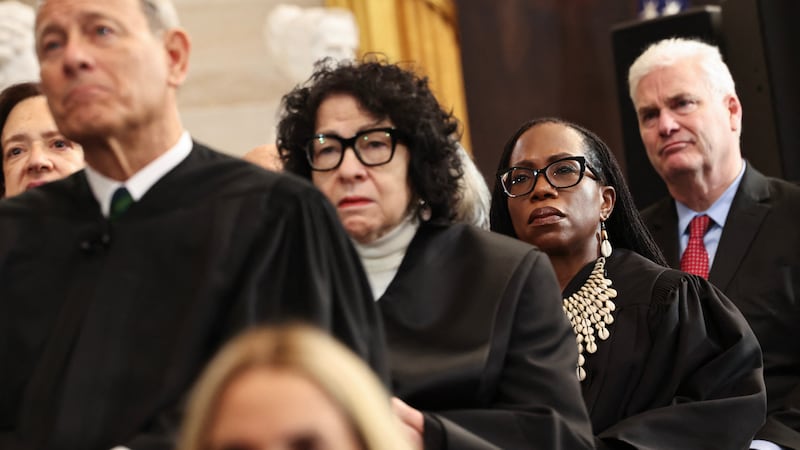
The Supreme Court’s decision, she said, “regrettably and tragically extinguishes the light of the torch of the Statue of Liberty.”
Sotomayor also invoked the 1939 voyage of the MS St. Louis, whose Jewish passengers fleeing Nazi Germany were turned away by Canada, Cuba, and the U.S., ultimately returning to Europe. Hundreds were later killed in the Holocaust.
“More people will die,” she wrote in the dissent, which was joined by Justices Elena Kagan and Ketanji Brown Jackson.
Alito defended the policy, describing it as “orderly and humane,” and noted it had been used under both Democratic and Republican administrations.
“We have neither the ability nor the authority to assess and countermand that choice,” he wrote.

Reading dissents from the bench is rare, and usually signals especially strong disagreement with the majority.
The clash came during what is normally a carefully choreographed release of Supreme Court opinions, as the court nears the end of a term packed with major cases involving President Donald Trump and culture-war issues.
Tensions have become increasingly visible as the justices clash over major shifts in constitutional law, with Sotomayor previously acknowledging the emotional toll.
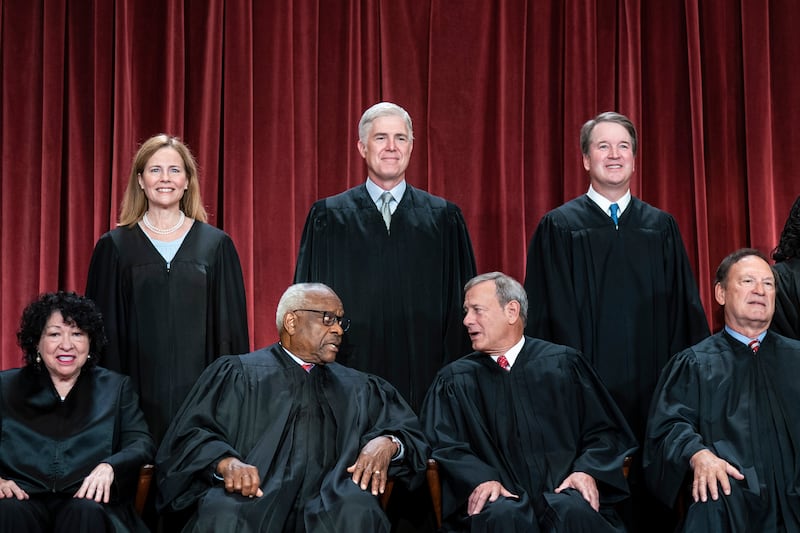
“There are days that I’ve come to my office after an announcement of a case and closed my door and cried,” Sotomayor told the Radcliffe Institute for Advanced Study at Harvard University when she received an award in 2024.
“There have been those days. And there are likely to be more.”
Justice Alito wrote three of the four opinions issued by the court on Thursday. More are expected to be issued on Monday as the court prepares to finish up its term next week.