President Donald Trump has told a reporter that his plan for Iran is modeled on U.S. actions in Venezuela—even though the deposed leader of Venezuela is still alive.
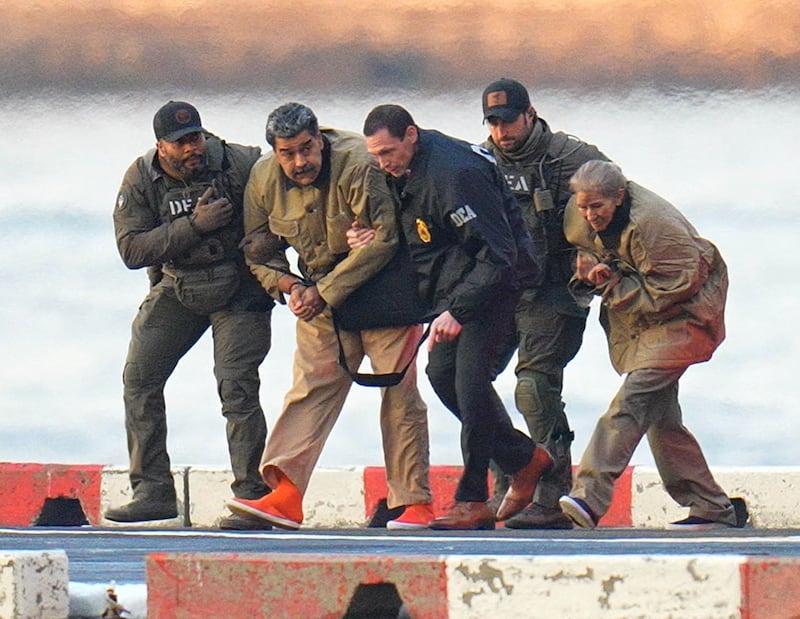
Fox News host Bret Baier said the president told him over the phone that his plan in Iran mirrors that of Venezuela, where U.S. forces captured the country’s leader Nicolás Maduro in January and transported him to the U.S. to face drug trafficking charges.
In the aftermath, U.S. officials initially said they would “run the country until… a safe, proper and judicious transition” could be arranged. Vice President Delcy Rodríguez has since been sworn in as interim president and retains authority.
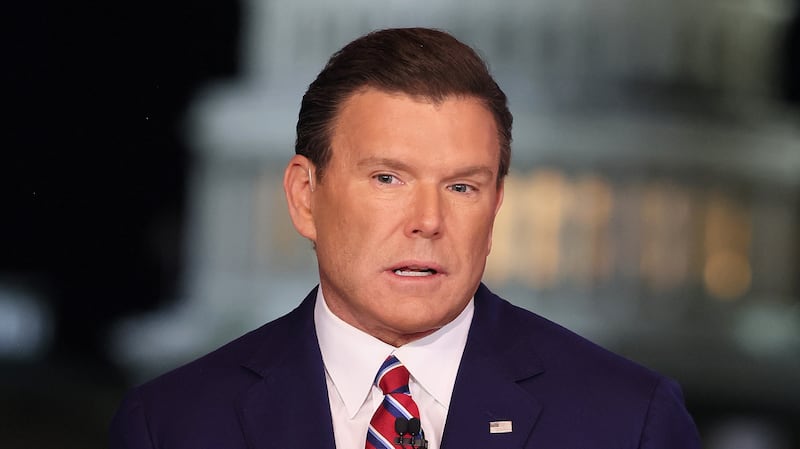
“He said there is a plan. He points to Venezuela as a template, which means to me that going in, they had some sense on the ground of what was coming next,” Baier said of his call with the president.
But Trump’s airstrikes already killed Iran’s Supreme Leader, Ayatollah Ali Khamenei, prompting retaliatory attacks on several other countries in the Middle East and leaving a power vacuum in Iran.

Trump also revealed that Saturday’s airstrikes killed any potential replacements for the Ayatollah.
“The attack was so successful it knocked out most of the candidates,” Trump told ABC’s Jonathan Karl.
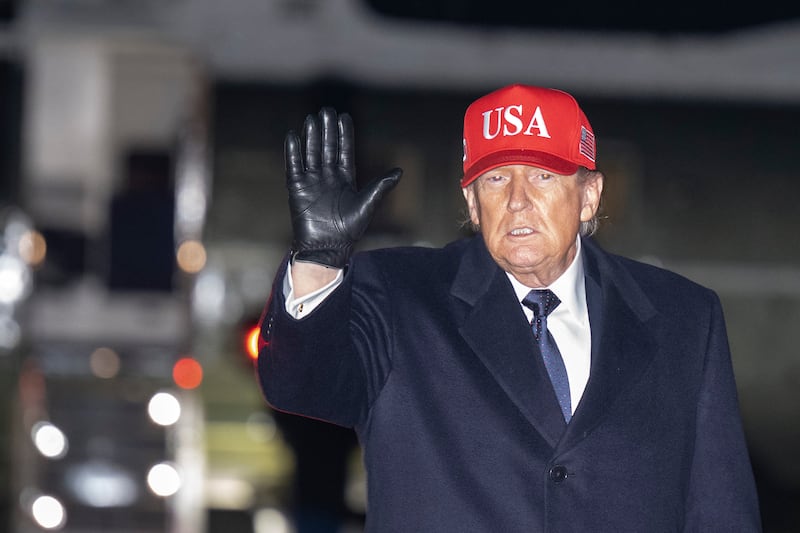
“It’s not going to be anybody that we were thinking of because they are all dead. Second or third place is dead.”
Trump told Fox News on Sunday that 48 Iranian leaders were killed in the strikes.
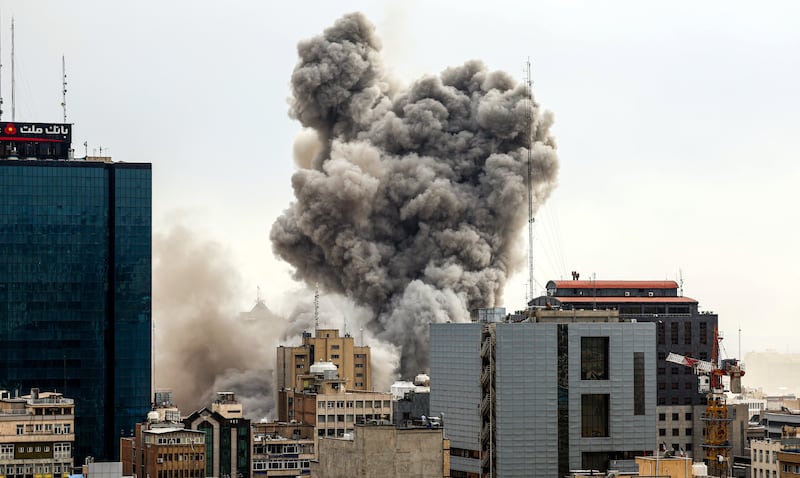
Since the U.S. and Israeli forces launched a major unprovoked coordinated air campaign against Iran over the weekend, Trump has spent his time calling journalists to explain why he went to war with Iran.
It comes as he is facing growing demands to define his endgame in Iran.

The president, who campaigned on ending “forever wars,” has instead pledged continuous “heavy and pinpoint bombing” until the U.S. achieves what he calls “our objective of peace” in the Middle East. In remarks to the Daily Mail, he also suggested the conflict could last about four weeks
At the Pentagon, Defense Secretary Pete Hegseth defended the operation, calling Epic Fury not an “endless war” but a “clear, devastating, decisive mission.”
Meanwhile, Baier said that Trump believes “the success that they are seeing right now in Venezuela is the success that he believes is possible in Iran based on what they know.”
Yet the administration has not publicly detailed what victory would look like—or how the fighting would stop.
Baier cautioned, “this is a much different theater and operation {to Venezuela},” one that is “much bigger in scope” and involves “a lot of variables we don’t know.”
Even so, he said, “from the president’s point of view right now it is going as well or better than they expected going in.”
Lawmakers and foreign policy experts warn that without a defined strategy, the U.S. could drift into the kind of drawn-out conflict Trump once vowed to avoid.
“Where does this all go?” Jim Himes, the ranking Democrat on the House Intelligence Committee, told NPR. “We can bomb Iran along with the Israelis for, you know, a lengthy period of time, but in the service of what?
“Is the intention regime change? Because there aren’t many examples either of regime change affected through bombing, or, quite frankly, of American military forces actually doing regime change in a way that is satisfactory.”