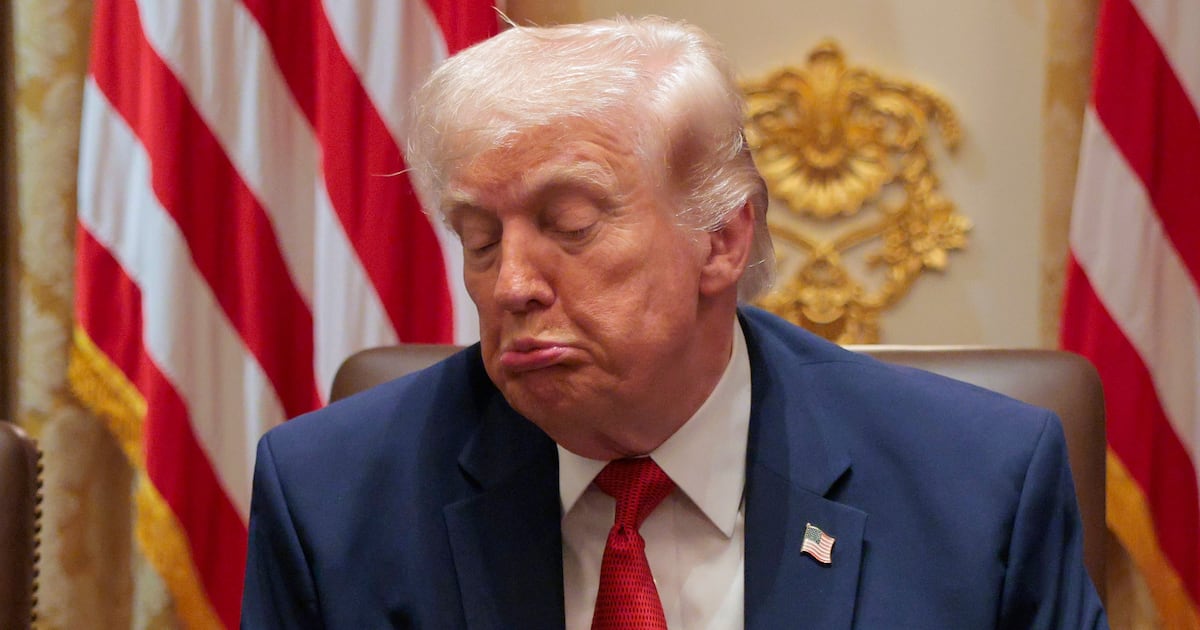
President Donald Trump is not letting facts get in the way of his argument as he pushes to end birthright citizenship in the United States.
Trump, 79, took to social media after being the first president to attend Supreme Court oral arguments, where the country’s highest court heard the case on his executive order signed on day one back in office.

The president is trying to end birthright citizenship for all babies born in the U.S. and restrict it to the children of U.S. citizens and those legally in the country permanently.

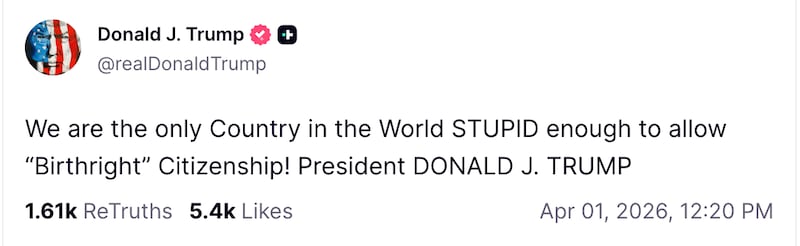
“We are the only Country in the World STUPID enough to allow ‘Birthright’ Citizenship!” Trump posted on Truth Social, which is simply not true.
32 other countries have birthright citizenship laws similar to the U.S., according to a Pew Research Center analysis.
Other countries with similar birthright citizenship include Canada, Mexico, Brazil, and Argentina, to name a few.
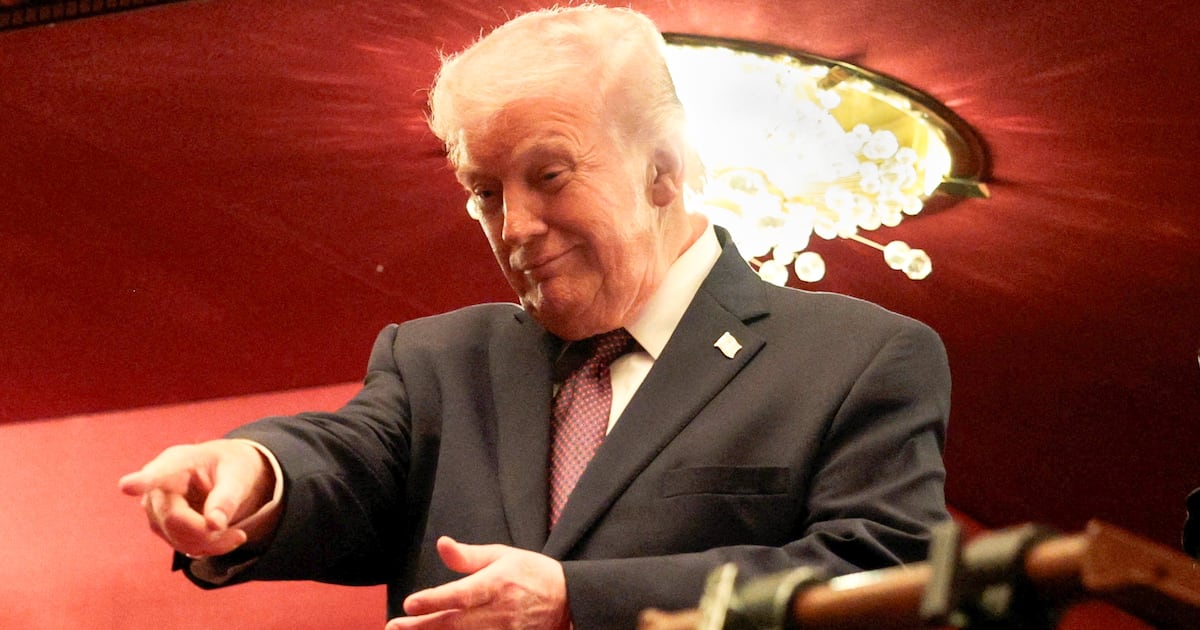
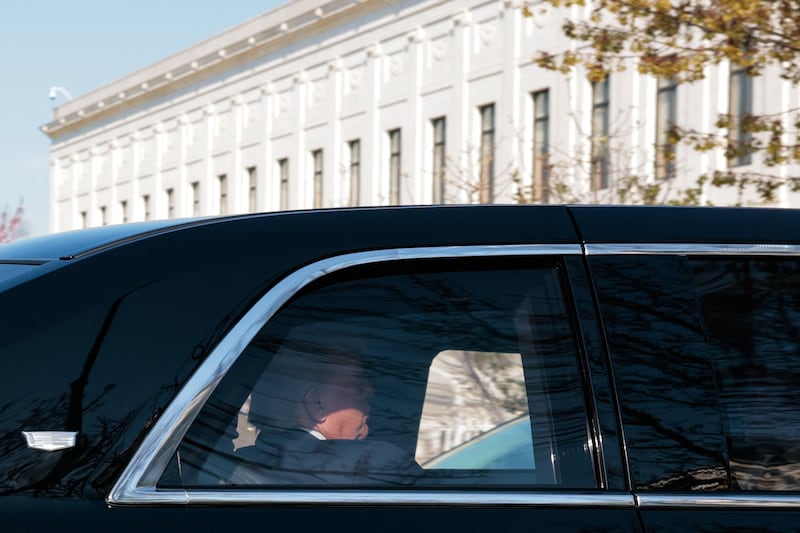
Trump was in court on Wednesday as the conservative-majority Supreme Court heard arguments on birthright citizenship, but he did not stay through the entire hearing.

He instead abruptly exited the court after his Solicitor General, D. John Sauer, made his case before the justices.
Despite the court’s makeup, including three justices appointed by Trump during his first term, several conservative justices expressed deep skepticism of the Trump administration’s argument for ending birthright citizenship.
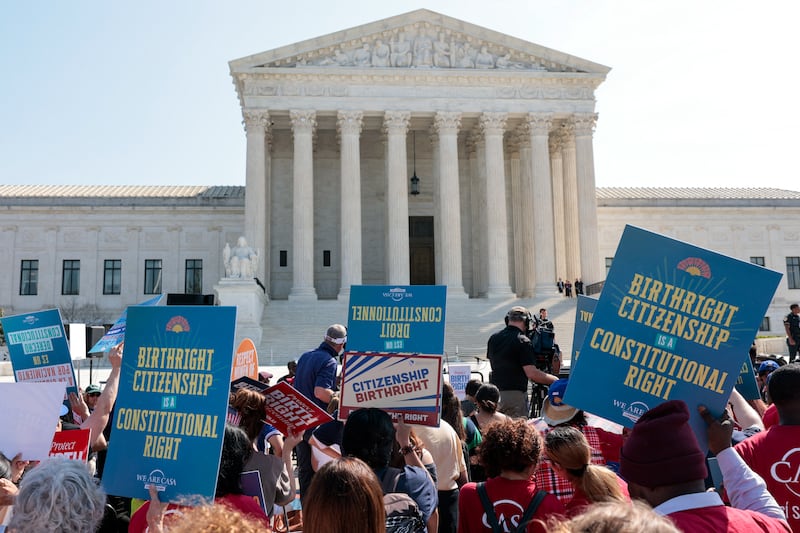
Chief Justice John Roberts, along with Justices Neil Gorsuch and Amy Coney Barrett, both Trump appointees, made a series of critical observations and posed probing questions, signaling they were troubled by the president’s executive order.
While the court will release its opinion at the end of the term, either in June or early July at the latest, the decision will either be a strong rebuke of the Trump administration or a dramatic reimagining of the U.S. Constitution and the citizenship clause in the 14th Amendment.
“All persons born or naturalized in the United States, and subject to the jurisdiction thereof, are citizens of the United States and of the State wherein they reside,” it states.
But the Trump administration has been arguing that the amendment, ratified in 1868 just after the Civil War, was meant to apply to the freed slaves and children of slaves, not immigrants to the U.S.
Should the court rule in favor of Trump, though justices appeared skeptical, it would have a dramatic impact on immigrants and their families for decades or centuries to come.