The man who wrote the federal law that Donald Trump invoked to impose a new round of sweeping tariffs after the Supreme Court struck down his first attempt has blasted the administration’s “offensive” misuse of the statute.
After the Supreme Court ruled in February that the president’s universal “Liberation Day” tariffs were illegal under the International Emergency Economic Powers Act, the president announced a new, temporary universal levy under Section 122 of the 1974 Trade Act.
When those duties expired, the administration turned to a different section of the 1974 act—Section 301—that gives the White House the power to investigate anticompetitive practices and use tariffs to force an offending trade partner to the negotiating table.
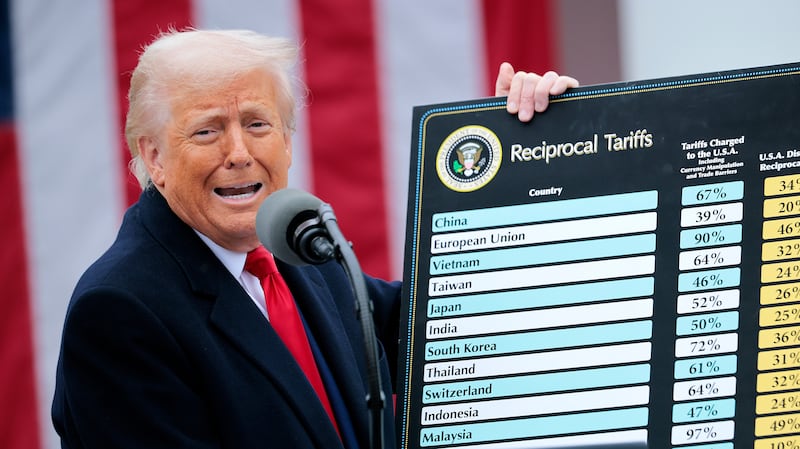
But Section 301 doesn’t actually give the president the authority to enact widespread tariffs, according to the person who wrote it.
Ambassador Alan Wolff served as President Richard Nixon’s lead international trade lawyer and drafted the statute that eventually became Section 301.
“The notion that you can write your own tariff against anyone and anybody is offensive,” Wolff told CNN. “This isn’t what we intended.”
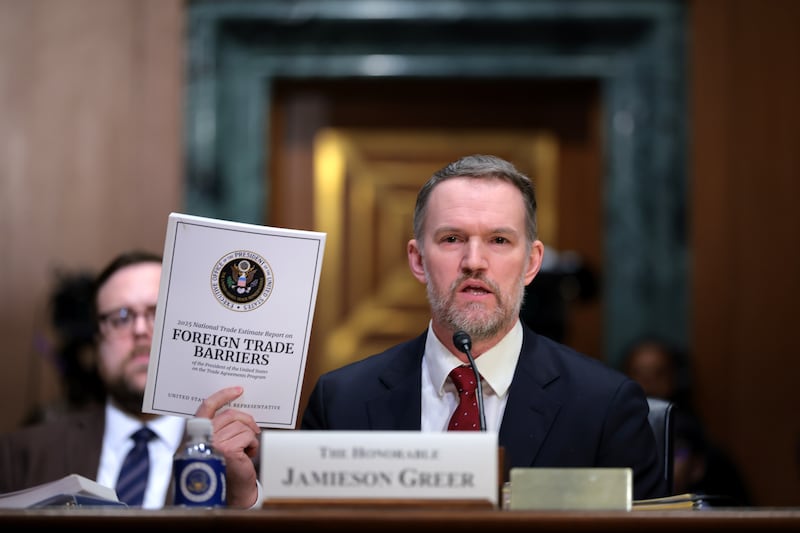
U.S. Trade Representative Jamieson Greer issued a ruling in July that more than 60 countries were guilty of buying goods made with forced labor, which the USTR said harms U.S. commerce.
As punishment, Trump put tariffs of 10 to 12.5 percent on products from all 60 countries, which represent just about every U.S. trading partner, according to CNN.
The tariffs are a type of import duty paid by American companies, which must either eat the additional costs or raise their prices.
Wolff told CNN he feels a sense of “ownership” over Section 301 given his “long history with it,” and that in this case it’s being “misused.”
“The USTR sort of bundled together 60 countries, created a unique standard that no country could or did meet, and said that we’re retaliating against something and acting unilaterally against something we’ve had no interest in historically,” he said.
Congress didn’t “just give wholesale authority to the executive branch” to enact universal tariffs, he added.
Section 301 was meant to address individual violations—especially in the case of bilateral trade agreements—and explicitly says “a foreign country” singular, according to Wolff.
The Daily Beast has reached out to the White House for comment.
Together with two other former top government trade lawyers, Wolff signed on to an amicus brief supporting a lawsuit brought by Liberty Justice Center, the group that successfully challenged the “Liberation Day” tariffs and is now suing to stop the Section 301 tariffs as well.
The brief argues that the new tariffs aren’t really designed to address forced labor—which the administration is accused of not thoroughly investigating—and that the goal was just to replace the illegal emergency tariffs.
The Court of International Trade will hear the case on Sept. 30.
In addition to the Section 301 tariffs, Trump has imposed a 50-percent tariff on about $20 billion worth of Canadian goods under a never-before-used provision of the Depression-era Tariff Act of 1930.

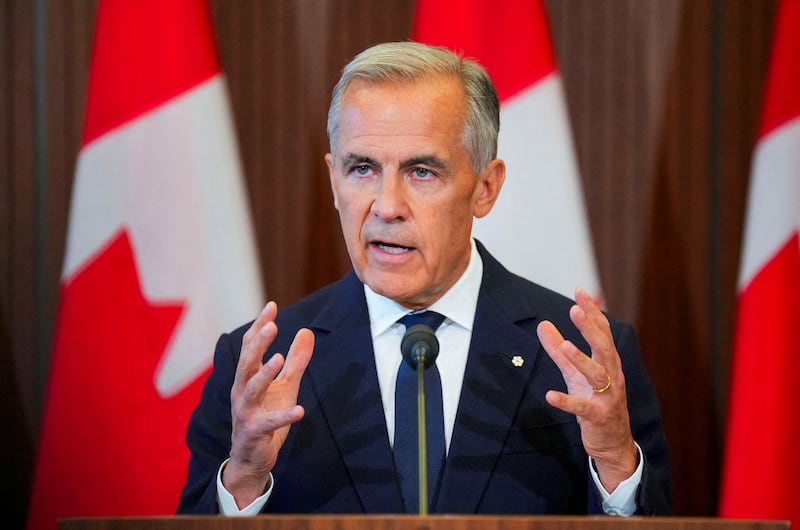
When Canada responded by announcing retaliatory tariffs and exploring closer trade ties with the European Union, Trump threatened to hit European products with new tariffs too.
The tariffs are deeply unpopular with voters struggling under the weight of a cost-of-living crisis ahead of the Nov. 3 midterms.