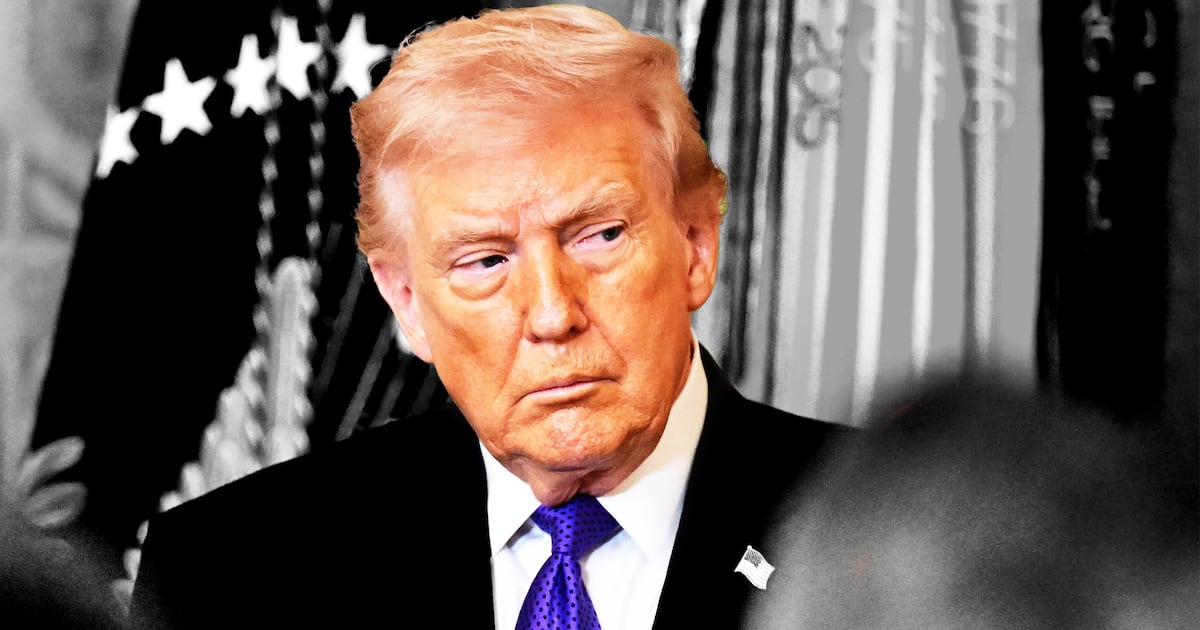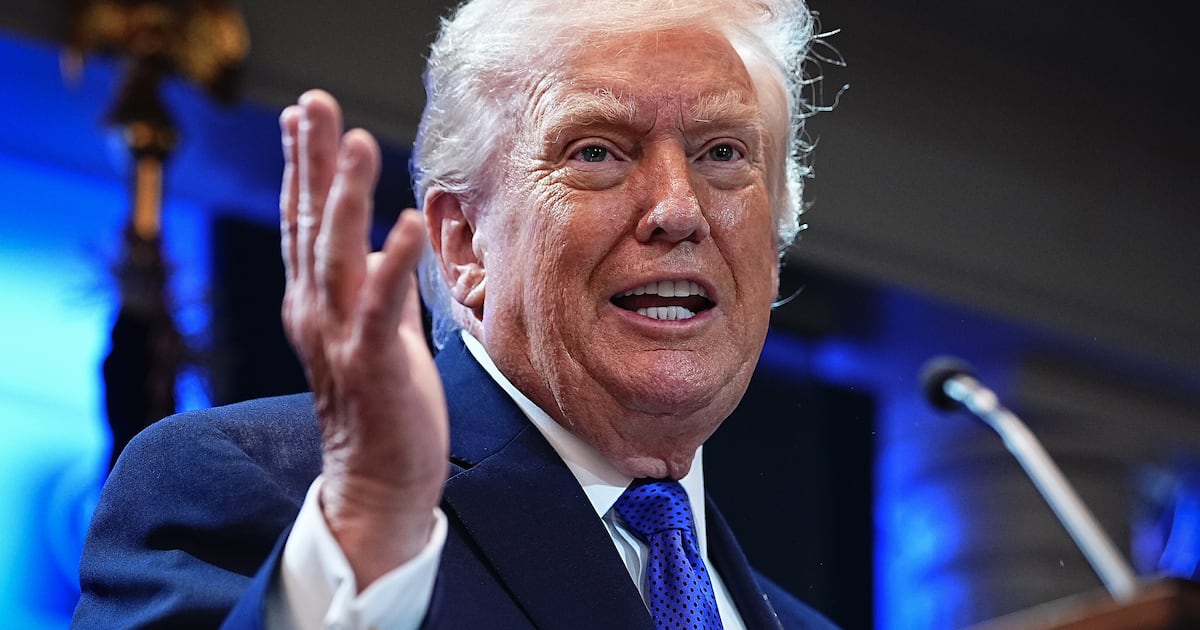

Donald Trump is “very serious” about unleashing unilateral tariffs on neighbors Mexico and Canada without even giving them a chance to negotiate. Some of Trump’s closest advisors said the dramatic action could take place within days.
If he were to introduce tariffs, which could be as high as 25 percent, some people fear it could lead to a global economic crisis and spark a recession.
The president’s closest allies in Congress and serving under his administration have called for a ‘tariff-first-talk-second approach,’ the Wall Street Journal reported on Monday, putting banks and businesses across North America on high alert.
Among those who are reportedly behind the “emergency” plot to target America’s neighbors are Commerce Secretary nominee Howard Lutnick, who is currently the CEO of an influential New York bank facing several conflict of interest accusations, and deputy chief of staff for policy Stephen Miller, the architect of Trump’s hardline immigration policy, who some have accused of promoting white nationalist ideology.

The move would stun some of the most influential businessmen in the world as Wall Street giant Goldman Sachs told its clients that the likelihood of Trump imposing tariffs on February 1 stood at 20 percent.
The bank pointed out that Trump negotiated with target countries before inflicting tariffs during his first term.
Another analyst at PricewaterhouseCoopers said the prospect of imminent tariffs was particularly “scary” for multinational companies operating across the continent.
But one Trump official who spoke to the Wall Street Journal on the condition of anonymity revealed that the president was “very serious” about his threats to Mexico and Canada.
One Republican senator described Trump’s ambitions in somewhat blunter terms.
“He’s as serious as a heart attack,” Kevin Cramer of North Dakota said.
The president is reportedly open to the possibility of turning the global economy on its head by the end of the week and will face questions over what he intends to achieve.
The anonymized Trump official claimed that Mexico had failed to woo Trump and persuade him against unveiling damaging tariffs.
Unlike Colombia, which got tangled up in a major diplomatic dispute with the U.S. after it initially rejected deportation flights, Mexico has accepted up to four repatriation flights in one day. Mexico has also deployed its own national guard to its border with the U.S. in signs that it is willing to cooperate closely with American officials—a quality that has not gone unnoticed by Trump’s administration.
Yet reports suggest that U.S. officials refused to clarify what it would take for Canada and Mexico to avoid tariffs, with a recent call between Mexico’s foreign minister Juan Ramón de la Fuente and Secretary of State Marco Rubio not touching on the ins and outs of trade relations between the two countries.
“It’s always important to have a cool head,” Mexican president Claudia Sheinbaum said last week in a swipe at Trump’s erratic moves.
Canada, meanwhile, has been preparing its own retaliatory tariffs behind the scenes, according to an official quoted in the Wall Street Journal.

Some in Ottawa were expecting Trump to apply his controversial economic measures any day which could unleash a devastating recession.
The official said it would “press play” on its retaliatory tariffs if Trump makes a move before negotiations, while the local leader of Ontario, Canada’s most populated province, advised the government to cut its electricity supply over the border if economic warfare breaks out.
“You can’t bring a knife to a gunfight,” said Ontario Premier Doug Ford. “We need to target where it will impact Americans the most.”