America’s top intelligence official appeared to be so perplexed when asked about the objectives of the war in Iran that she briefly lost her ability to speak.
As the conflict escalates in the Middle East, Director of National Intelligence Tulsi Gabbard appeared on Capitol Hill on Thursday to give another report to lawmakers about worldwide threats the U.S. faces.
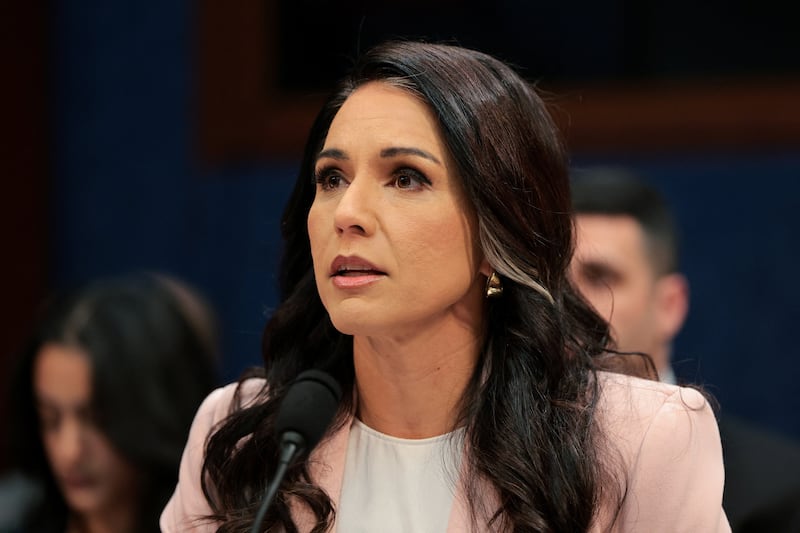
But things took a strange turn when Democratic Congressman Joaquin Castro asked Gabbard to explain Israel’s goals for the war and whether those goals were aligned with those of the United States.
Gabbard—a former Democrat who was once staunchly opposed to striking Iran—paused for a moment…. and then continued pausing.
The awkward silence was so lengthy that Castro looked up at one point and motioned for her to start talking.
After about 10 seconds of saying nothing, Gabbard eventually told the hearing: “I’m thinking carefully about what can be said in this open setting versus a closed setting.”
“Are the goals aligned?” Castro pressed her again.
After another brief pause, Gabbard slowly replied: “The objectives that have been laid out by the president are different from the objectives that have been laid out by the Israeli government.”
“And how do they differ?” Castro asked.
“We can see through the operations that the Israeli government has been focused on disabling the Iranian leadership and taking out several members, obviously beginning with the Ayatollah, the Supreme Leader, and they continue to focus on that effort,” she said.

In contrast, she said, “the President has stated that his objectives are to destroy Iran’s ballistic missile launching capability, their ballistic missile production capability, and their Navy... and minelaying capability.”
CIA Director John Ratcliffe agreed. “To be clear, the president’s objectives with respect to Operation Epic Fury did not include regime change. That may be different from what Israel’s objectives were,” he said.
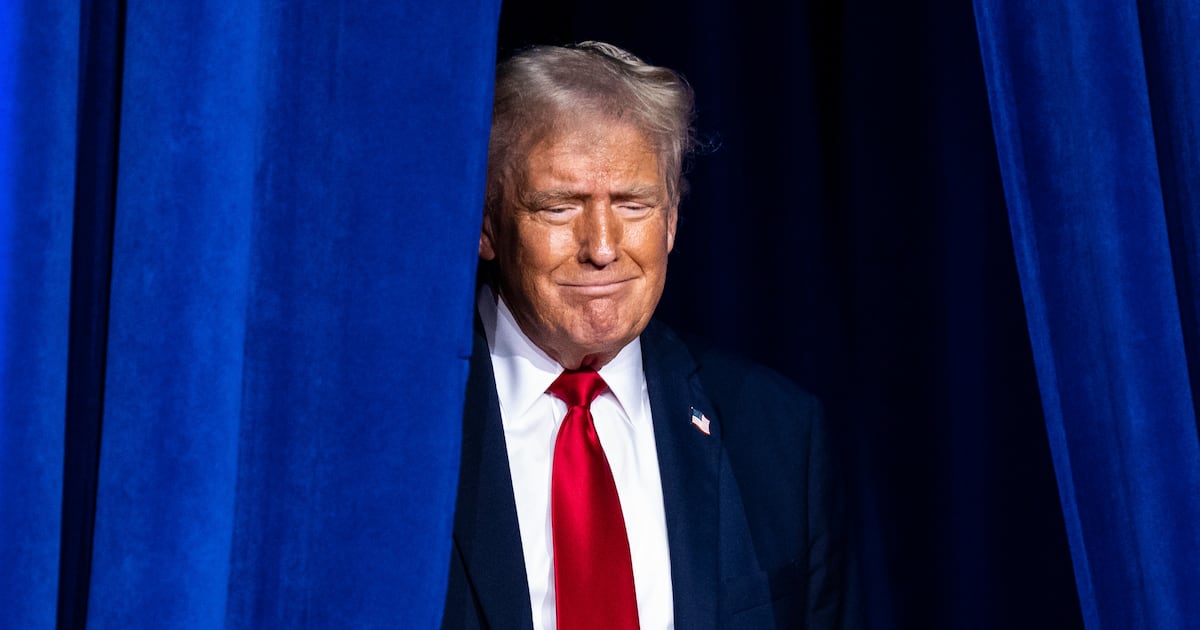
However, Trump began his war on February 28 suggesting he was in fact embracing regime change, telling the Islamic Revolutionary Guard in a social media video to “lay down your weapons and have complete immunity.”
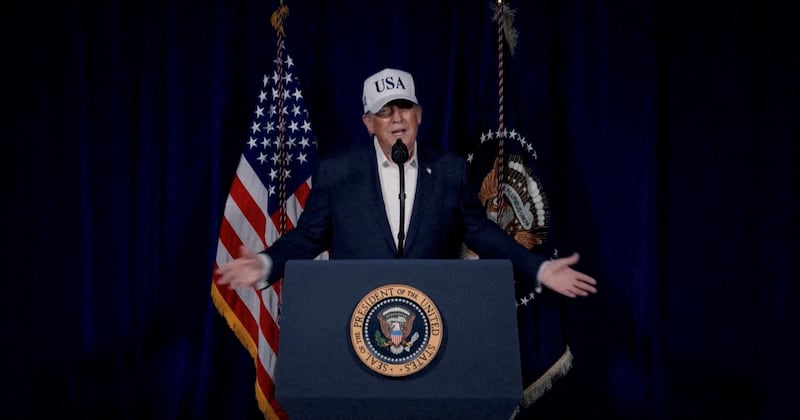
As for the Iranian people, he said, “When we are finished, take over your government. It will be yours to take.”
The war is now into its third week, and while the initial strikes killed Supreme Leader Ali Khamenei, his son, Mojtaba Khamenei, has since replaced him and vowed revenge.

Meanwhile, oil and gas prices are soaring, the death toll is rising, and the price tag for weapons is likely to balloon by an estimated $200 billion.
“It takes money to kill bad guys,” Pentagon chief Pete Hegseth told reporters on Thursday morning.
Speaking in the Oval Office, Trump later added: “It’s a small price to pay to make sure that we stay tippy top.”
But the issue is particularly challenging for Gabbard, a military veteran who served in the Hawaii Army National Guard and once warned that a conflict with Iran would make America’s wars in Iraq and Afghanistan “look like a picnic.”

She also now finds herself at the center of a MAGA firestorm after the resignation of Joe Kent, the director of the National Counterterrorism Center, who declared this week that “Iran posed no imminent threat to our nation.”
“It is clear that we started this war due to pressure from Israel and its powerful American lobby,” he added, in comments that have divided Trump’s base.
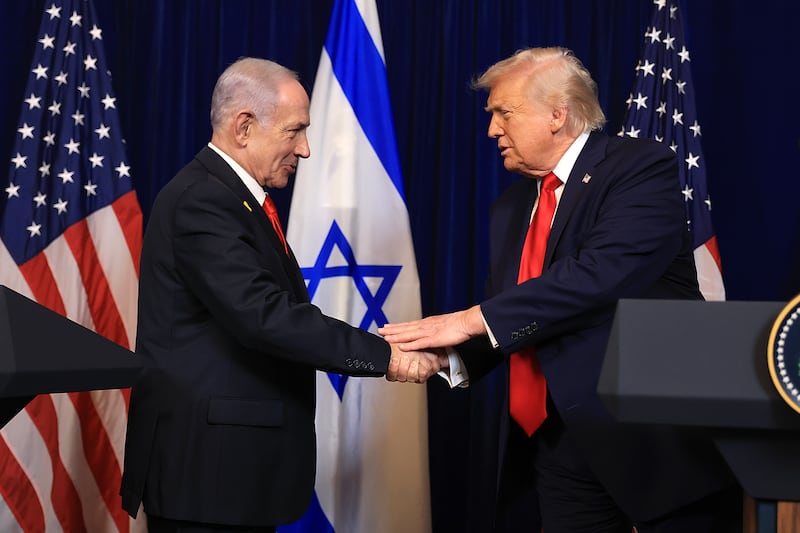
However, Israeli Prime Minister Benjamin Netanyahu said on Thursday that any suggestion “that Israel somehow dragged the U.S. into a conflict with Iran” was “fake news.”
“Does anyone really think that someone can tell President Trump what to do?” he said at a press conference.
“Come on. President Trump always makes his decisions on what he thinks is good for America, and may I add, what he thinks is good for future generations.”
Tensions nonetheless escalated overnight when Israel targeted a crucial Iranian oil field known as the South Pars gas field—the world’s largest natural gas reserve.
Iran responded swiftly, launching retaliatory missile and drone strikes targeting energy infrastructure in Qatar, forcing key liquefied natural gas operations and other facilities to shut down.
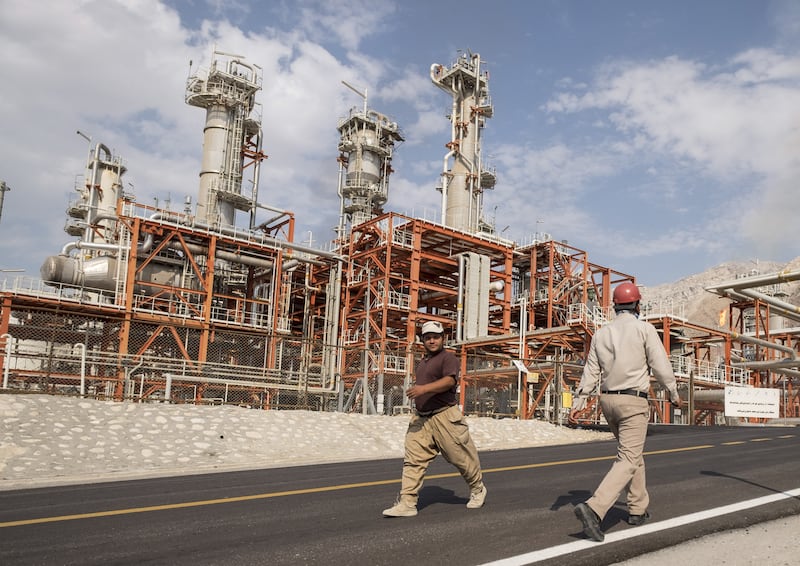
Trump, in turn, launched a panicked post on Truth Social, demanding the strikes stop and insisting he had no prior knowledge that Israel was going to attack.
However, speaking to reporters on Thursday at the White House, Trump implied that he had discussed the strike with Netanyahu in advance.
”I told him, don’t do that,” Mr. Trump said.
“We get along great,” he added. “It’s coordinated, but on occasion he’ll do something… so we’re not doing that anymore.”