
Donald Trump is triggering growing alarm inside his own party as his latest trade fight threatens to deepen the cost-of-living squeeze just weeks before the midterms.
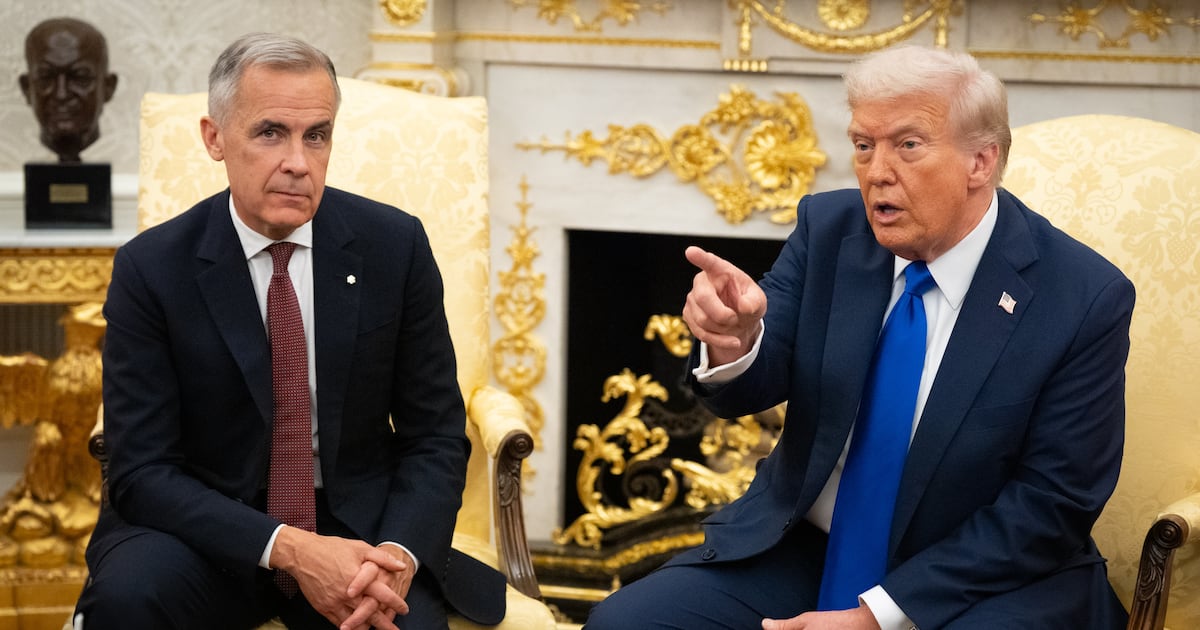
After trade talks with Canada collapsed this month, Trump imposed 50 percent tariffs on roughly $20 billion worth of Canadian goods.
Canadian Prime Minister Mark Carney retaliated by doubling existing tariffs on American steel and aluminum while targeting a range of additional U.S. goods, bringing the total value of affected American exports to roughly $20 billion.
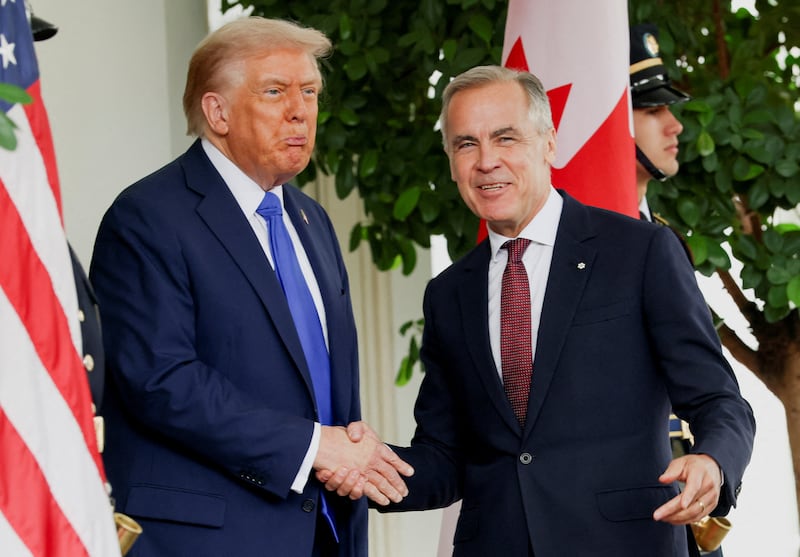
Trump has shown little interest in backing down. Instead, he has attacked Canada on Truth Social, even floating the name “Lake America” for Lake Ontario.
“I deal with many countries, and Canada is easily the most difficult and unreasonable,” he wrote.

The escalating trade war is particularly worrying Republicans in battleground states where voters are already struggling with higher prices as a result of the fallout from Trump’s aggressive trade policies and his deeply unpopular war with Iran, which has led to spikes in energy prices.
Northern states such as Maine and Michigan could be hit, while agriculture-heavy Iowa and North Carolina face risks to the farmers and ranchers who overwhelmingly voted for Trump in 2024.
Farming-dependent counties in the Corn Belt backed Trump by an average of 78 percent in 2024, according to Investigate Midwest.
Polls have already underscored just how deeply the rising cost of living is weighing on Americans.
Fifty-six percent of Americans recently ranked cost-of-living concerns among the country’s top issues, according to a Politico poll.
Even Trump voters are feeling the pinch. Among Trump’s 2024 voters, 33 percent identified rising prices as one of his second-term failures in a Public First survey.

As a result, Republicans are increasingly worried that voters will punish them for the economic fallout.
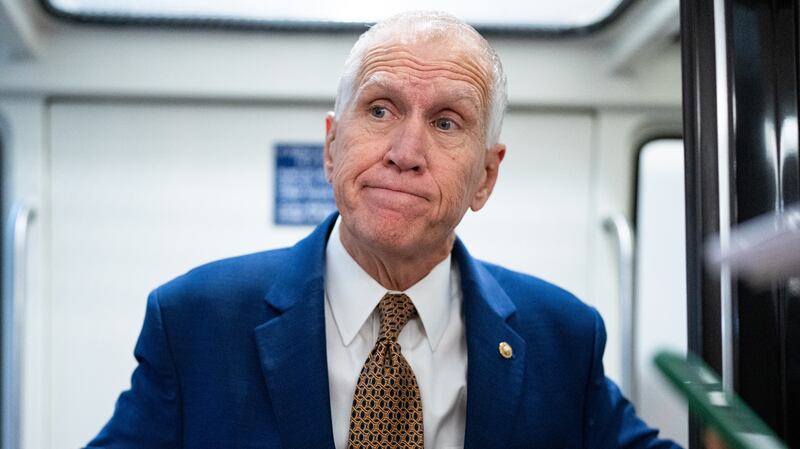
“We’ve got 71 days, and right now we don’t have a positive message to tell farm country,” said retiring GOP Sen. Thom Tillis of North Carolina.
Trump’s Canada tariffs are creating “tension,” Tillis added, warning that “the party that owns that tension is the party that will probably suffer the consequences in November.”
Other Republicans have begun publicly distancing themselves from Trump’s trade policies.
Maine Sen. Susan Collins called the Canada tariffs a “mistake,” warning they could raise the cost of food and construction.
“We produce a lot in Maine—our blueberries, our potatoes, our lobster, our lumber—that is processed across the border,” Collins said. “If it comes back with a huge tariff on it… that increases the cost of eating, building homes.”
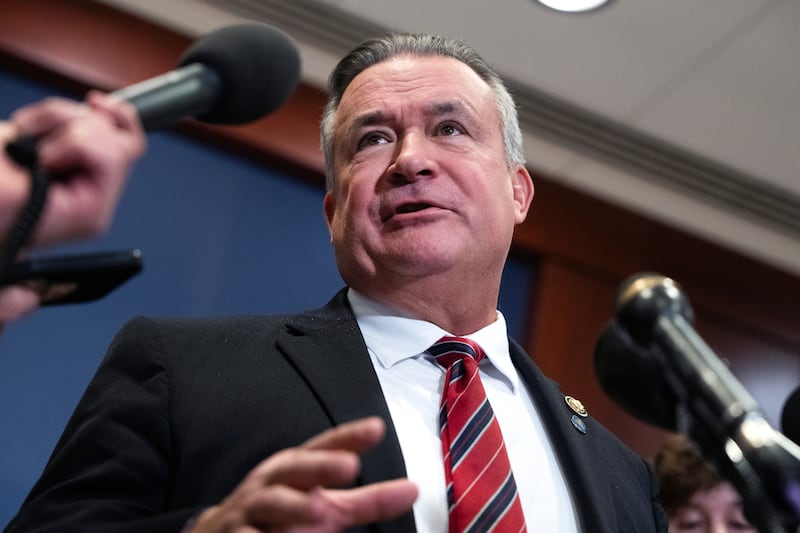
Retiring Rep. Don Bacon of Nebraska was even more direct.
“The president picked an unnecessary fight with a friend,” Bacon told Politico. “The trade war will hurt both Americans and Canadians and for no good reason.”
Trump has also faced resistance from Republicans over his attempt to lower food prices by temporarily allowing 300,000 metric tons of foreign beef into the U.S.
The White House has pitched the move as a way to ease shortages and bring down grocery bills before November. But Republican lawmakers representing farm country fear it could instead hurt American ranchers.
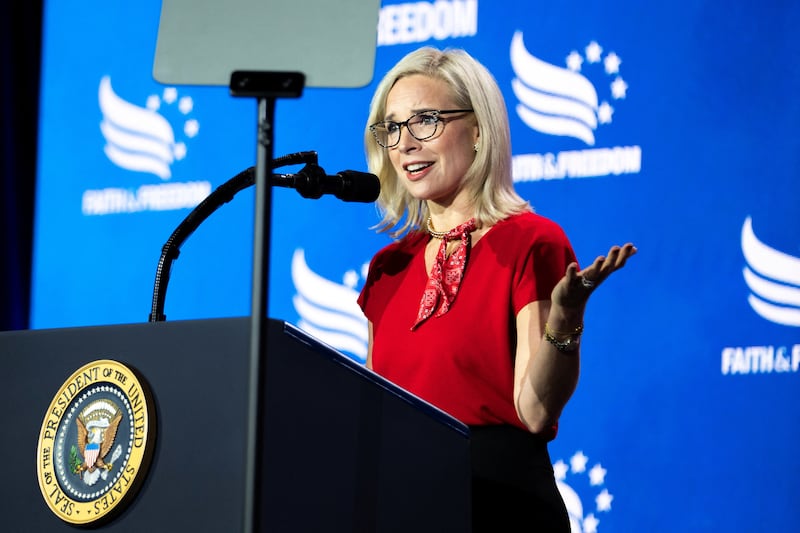
Rep. Ashley Hinson of Iowa called the imports “a bad idea” that would create “more uncertainty and instability for our farmers.”
Rep. Zach Nunn said Americans need to be able to afford food but insisted “we don’t do it on the backs of our cattlemen.”
“There’s no Republican on the ballot who will tell you they think this is a good idea,” GOP strategist Doug Heye told CNN. “Things are too expensive, and it’s hard to see how this [trade war] would do anything to help any Republicans.”
The backlash has spread beyond the House. Sen. John Barrasso urged the Trump administration to make it “easier—not harder—for Wyoming ranchers to feed America.” Sen. Tom Cotton called the beef plan “ill-advised,” while Sen. Deb Fischer said, “I’m extremely disappointed by this decision.”
Sen. Jim Justice of West Virginia said Republicans need to recognize the growing pain among voters.
“I’ve been the voice that’s been saying, ‘You people are living in a cave if you don’t see that folks out there… are hurting,’” Justice said. “And we need to absolutely be more in tune with them.”
The Daily Beast has contacted the White House for comment.