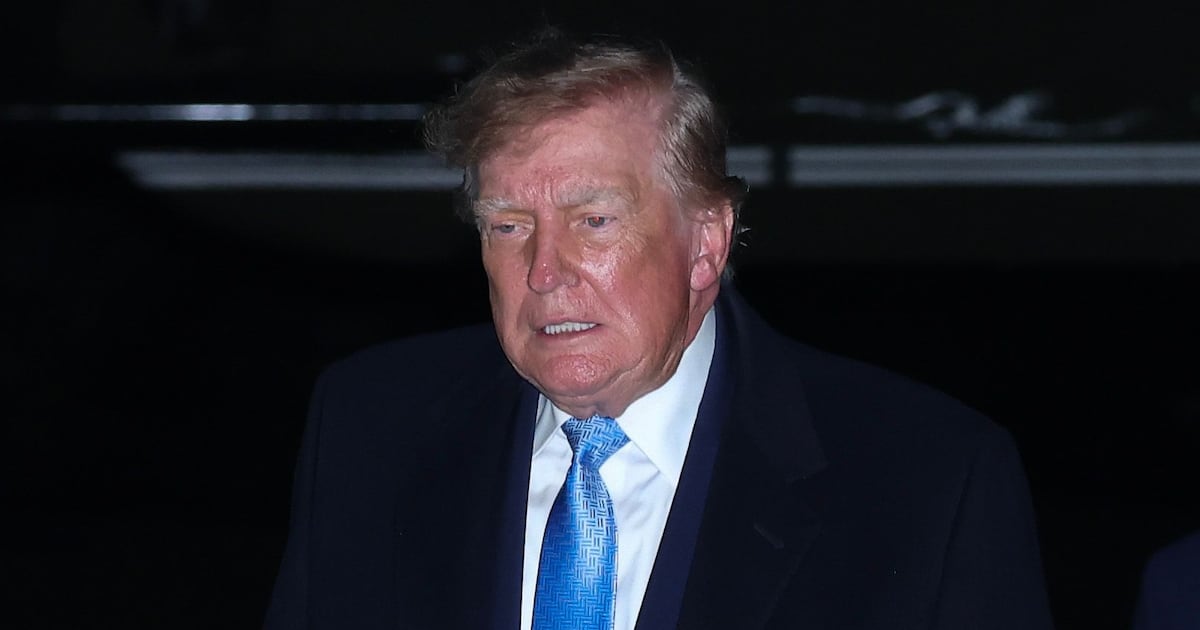
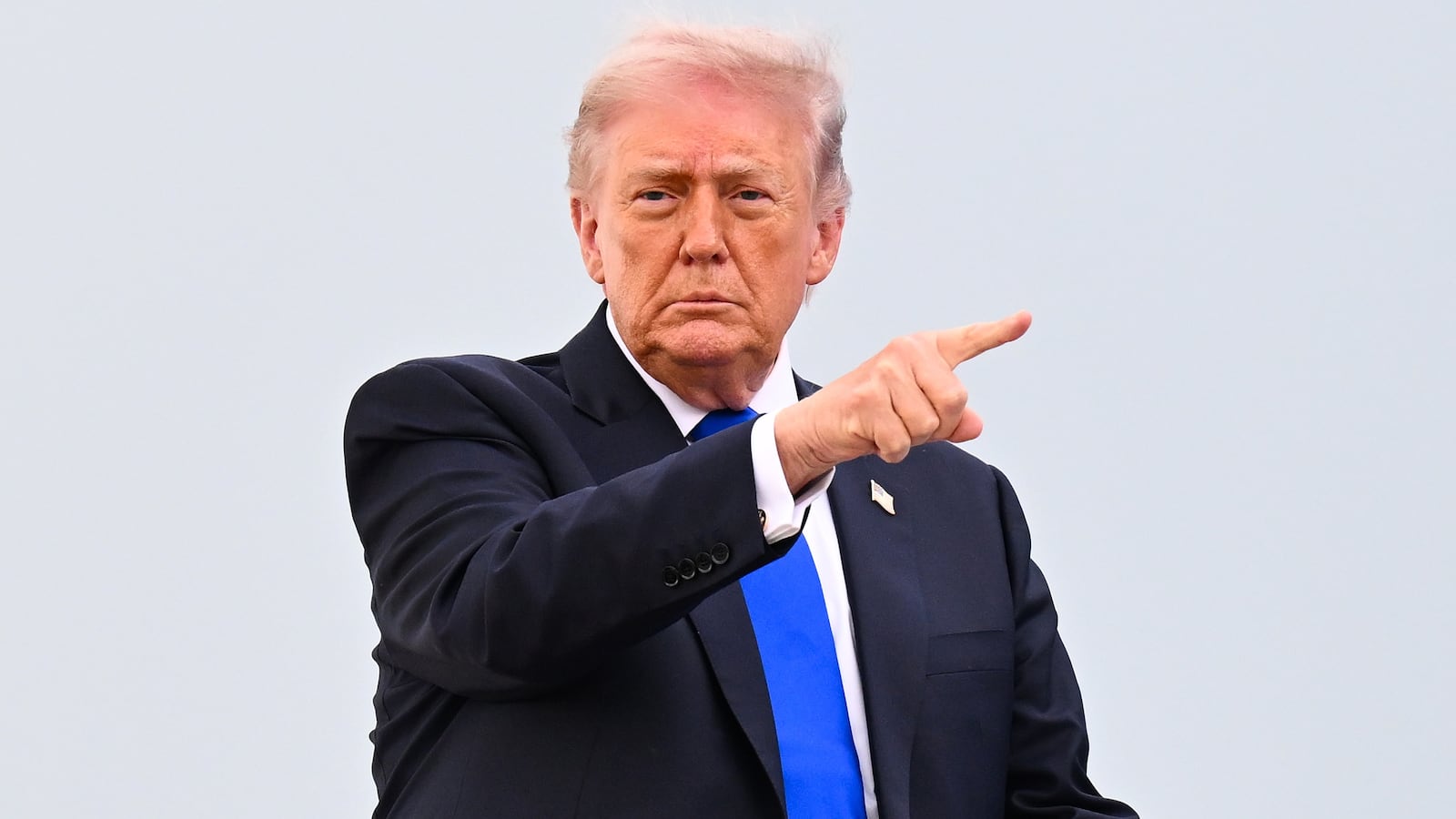
President Donald Trump’s approval rating has fallen to a new low, as rising living costs and global tensions weigh heavily on public sentiment.
According to a new Reuters/Ipsos poll, conducted between April 24 and 27 among 1,014 registered voters, just 34 percent of Americans say they approve of Trump’s performance in office, slipping from 36 percent in a survey conducted earlier in April.

Most responses were collected before Saturday’s shooting at the White House Correspondents’ Association dinner, where an armed suspect was apprehended before reaching a hall where the president was present, along with the first lady and other Cabinet members.
It remains unclear whether the incident will influence public opinion in future polling.
Trump’s approval rating has been trending downwards in recent months after being at 47 percent in January 2025.

The drop in approval comes amid mounting economic frustration. Trump, who won the 2024 presidential election pledging to rein in prices after years of high inflation under his predecessor, is now facing sharp criticism over the economy.
Despite promising to usher in a new “golden age” for the U.S. economy, his approval rating on economic management stands at just 27 percent—lower than at any point during his previous administration and below the weakest readings recorded by former President Joe Biden, even though Trump has frequently promoted his record as stronger than Biden’s, especially on economic policy.
Concerns about the cost of living are particularly acute. Only 22 percent of respondents approve of Trump’s handling of everyday expenses, down from 25 percent in the prior poll.
Multiple recent polls have shown that Americans are feeling the strain financially. A recent Gallup poll showed that 55 percent of respondents said their financial situation is getting worse—up from 53 percent last year and 47 percent the year before.
The figure marks the highest level recorded since Gallup started the survey in 2001, surpassing even periods of economic strain during the pandemic and the global financial crisis.
According to the Reuters poll, a surge in energy prices has played a central role. Since late February, when the United States and Israel launched military strikes against Iran, gasoline prices have jumped more than 40 percent, reaching approximately $4.18 a gallon.
The conflict disrupted roughly a fifth of global oil shipments, tightening supply and driving up costs worldwide.

The financial strain is increasingly visible in American households and is raising alarms within Trump’s own Republican Party. While 78 percent of Republicans continue to support the president overall, 41 percent express dissatisfaction with his approach to the rising cost of living.
As a result, party leaders are growing concerned that economic discontent could jeopardize their hold on Congress in the upcoming midterm elections.
Former White House Director of Legislative Affairs Marc Short told CNN in March that affordability will become a “growing challenge” for Republicans in the midterm elections.
“The reality is that prices are going to continue to go up. This is going to continue to ripple through,” he said.
“I do think that affordability was one of the primary issues that he was elected on,” Short said of President Trump. “I think it’s going to be a growing, growing challenge for Republicans in the midterms this November.”
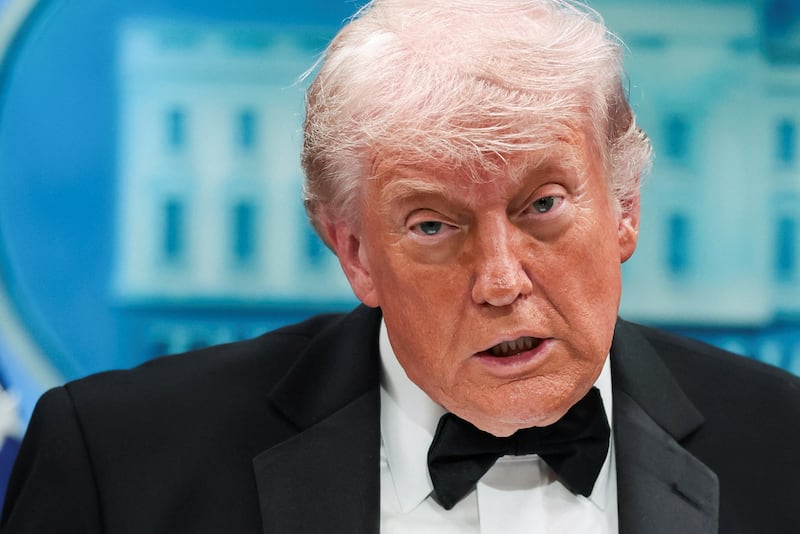
Meanwhile, public backing for the U.S. involvement in the deeply unpopular Iran conflict has also declined, with just 34 percent of Americans expressing support—down from 36 percent in mid-April and 38 percent in March.
Asked for comment, White House spokesperson Kush Desai told the Daily Beast: “President Trump created an economic boom in his first term with historic job, wage, and investment growth along with the first decline in wealth inequality in decades. In his second term, President Trump is again implementing his proven, first-term economic agenda of tax cuts, deregulation, and energy abundance.
“As cargo traffic in the Strait of Hormuz begins to normalize again and the disruptions of Operation Epic Fury begin to subside, Americans can rest assured that the best is yet to come.”