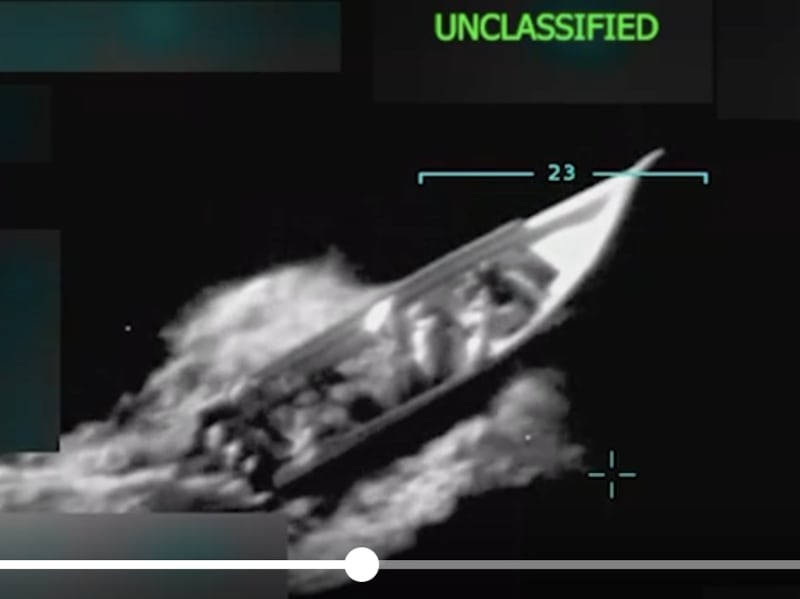
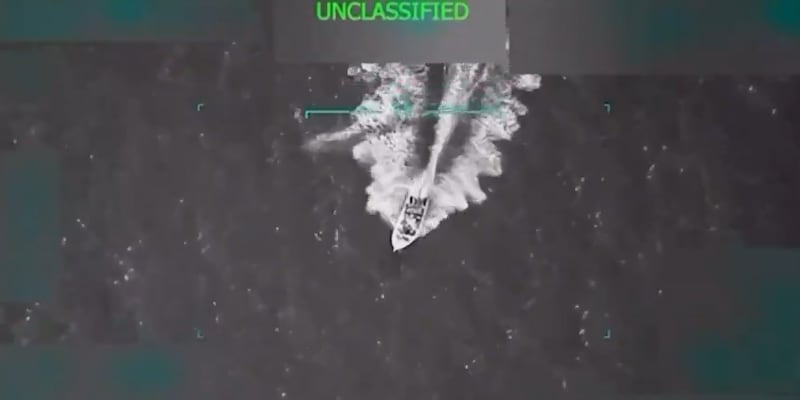
President Donald Trump’s $4.7 billion war on cocaine smugglers has claimed the lives of nearly 200 people yet hasn’t made the drug meaningfully harder to buy in the United States, according to experts.
Nearly nine months after the Trump administration began launching strikes on small boats off the coast of South America, experts say cocaine prices, purity levels, overdose patterns, and border seizure data all suggest the flow of drugs into the U.S. is largely unchanged.

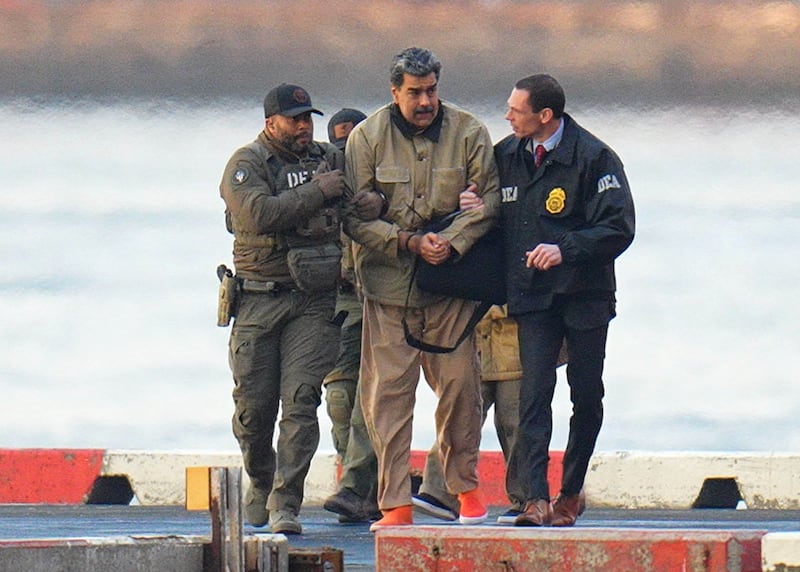
That is despite the operation ballooning into one of the largest U.S. military deployments in Latin America in decades, with heavy equipment such as guided-missile destroyers and roughly 15,000 American troops now involved. The campaign has stretched from the Caribbean into the eastern Pacific, alongside ground strikes in Ecuador and the capture of Venezuela’s former leader on U.S. drug trafficking charges.
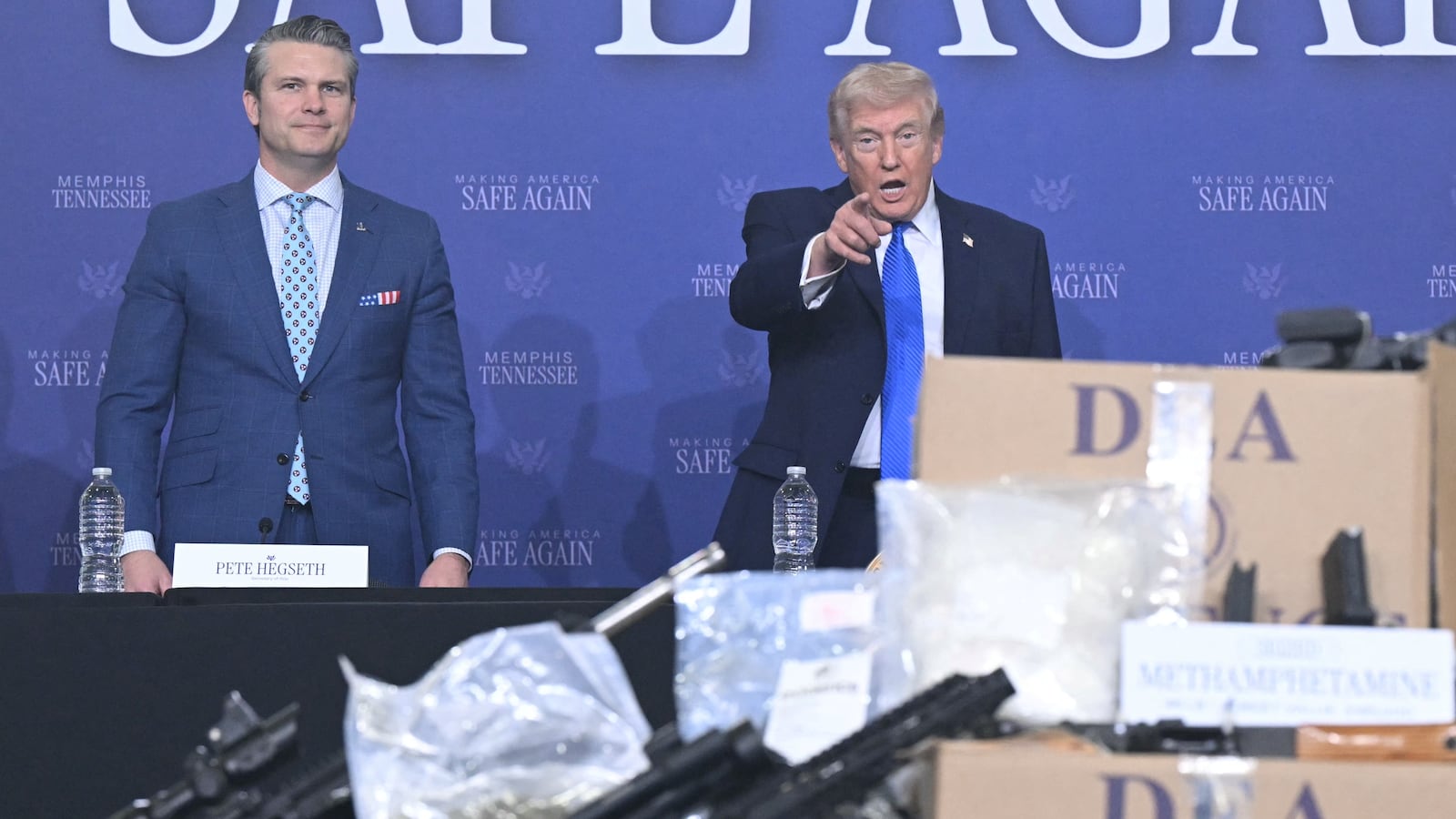
Defense Secretary Pete Hegseth has insisted the strikes are “highly effective,” pointing to Coast Guard seizures of 511,000 pounds of cocaine in 2025, more than triple the agency’s annual average.
But addiction scientists and epidemiologists say the cocaine market inside the U.S. looks remarkably unchanged, according to The New York Times.
Street prices in many American cities still hover between $60 and $100 per gram, roughly where they stood before the strikes began. Researchers also say cocaine purity levels have remained steady, undermining the idea that traffickers are struggling to replace lost shipments or dilute shrinking supplies.
Meanwhile, the United Nations estimates Colombia alone now produces roughly 5.7 million pounds of cocaine annually, around 11 times the amount seized by the Coast Guard.
Experts say traffickers are simply adapting by shifting shipments onto container ships and overland smuggling routes through Central America while absorbing occasional losses at sea.
“It’s clearly not going in the expected direction,” University of North Carolina addiction scientist Nabarun Dasgupta told the Times.
Adam Isacson of the Washington Office on Latin America was even blunter.
“They’re not moving the needle at all,” he told the paper. “Is that worth killing all these people?”
“Cocaine remains highly available, highly prevalent and relatively inexpensive,” said Carl Latkin, a professor of public health at Johns Hopkins University.
He also rolled out a damning analogy to the Times. “In addition to being morally abhorrent, this method is as likely to succeed as much as would bombing a handful of McDonald’s in Dallas, Texas, and claiming that you’ve made America healthy again,” he said.
White House spokesperson Anna Kelly told the Daily Beast: “Upon taking office on January 20, President Trump moved swiftly to secure the southern border, which stopped the flow of drugs by land.”
“Since then, the president has leveraged his dealmaking prowess to stop the influx of fentanyl precursors from China and struck narcoterrorist drug boats to stop the flow of drugs by sea,” Kelly said. “President Trump is using every tool at his disposal to save lives from the scourge of illicit narcotics.”