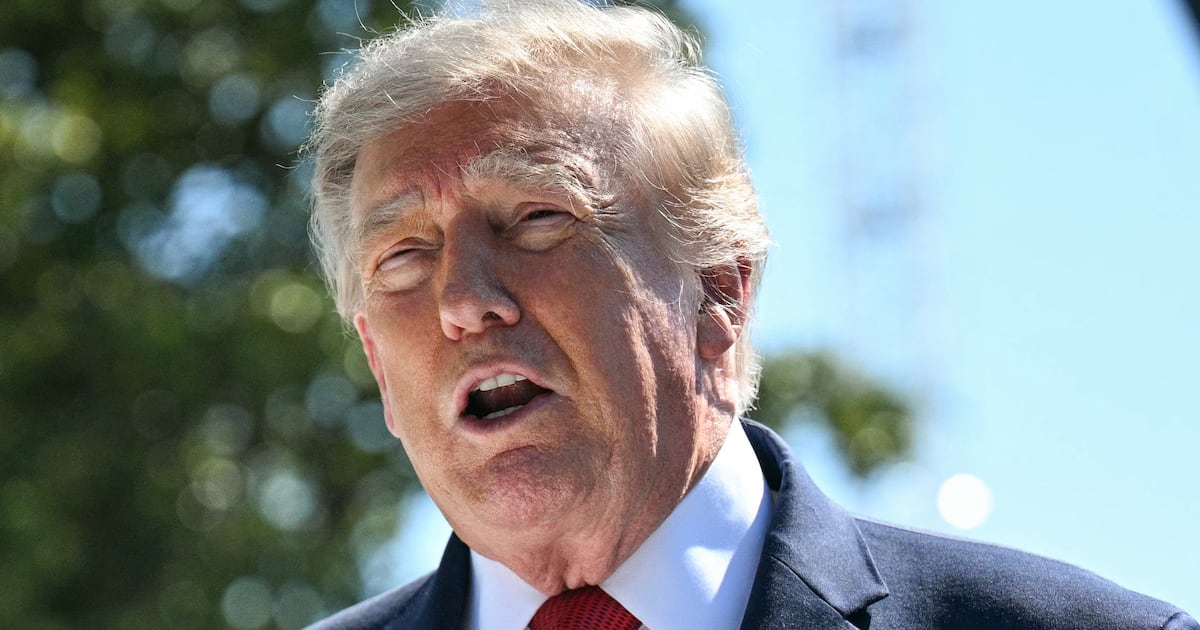
Business leaders are so freaked out by the possibility that Donald Trump might try to grab a slice of their companies that they’ve been practicing how to turn him down in front of the mirror.
The president has increasingly adopted what the Wall Street Journal described on Wednesday as an “unorthodox” approach to the business sector, effectively turning his administration into an “activist investor” with direct stakes in at least ten high-value businesses announced over the past year.
“Some executives are so worried Trump will ask for a stake in their company that they have prepared for Oval Office meetings by rehearsing what they would say to fend off the president’s advances,” the newspaper writes, citing lobbyists familiar with those preparations.
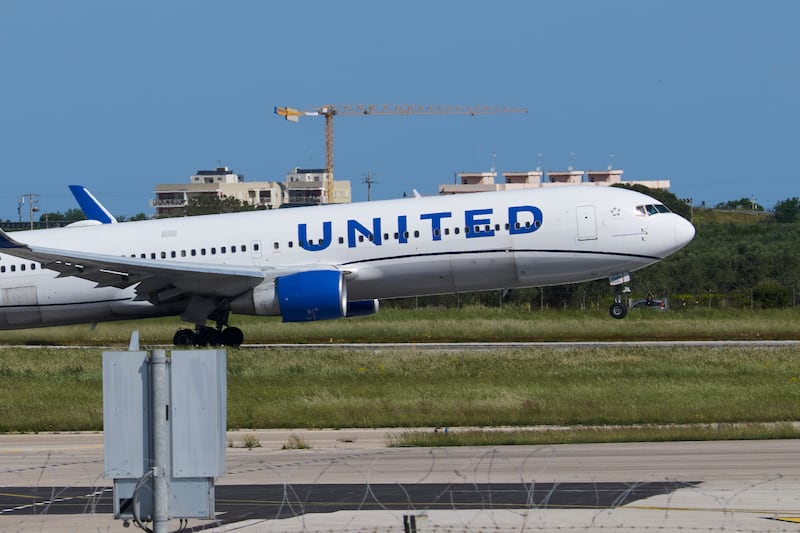
Several companies have apparently welcomed the president’s attention. Some have even sought it out. United Airlines reportedly approached the White House with an offer of a government stake in a proposed merger with American Airlines. Talks eventually fell apart because of American’s reluctance.
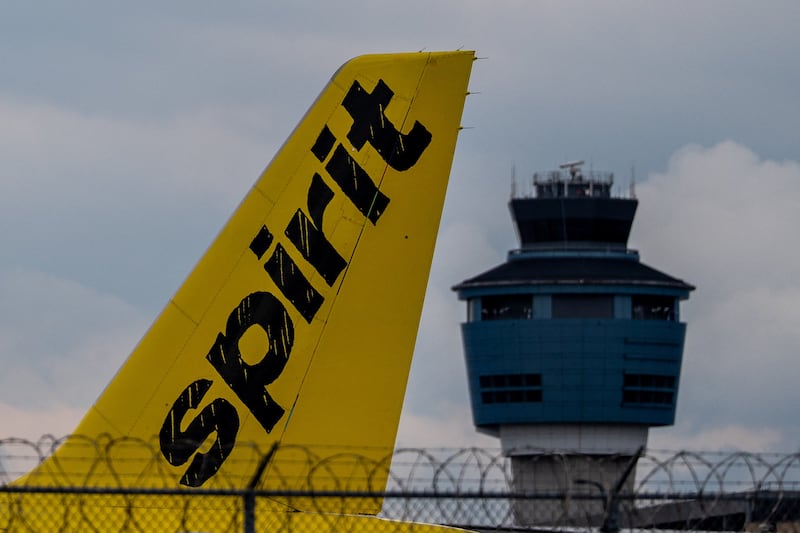
Trump’s administration also tried to leverage a $500 million bailout for Spirit Airlines earlier this month to secure a 90 percent stake in the carrier. Bondholders balked, the government pulled out, and Spirit shut down over the weekend.
Trump’s apparently growing appetite for direct federal involvement in private businesses cuts against the ideological grain of his own party, and his political hero, Ronald Reagan.
Kelly Ann Shaw, who served as deputy assistant to the president for international economic affairs during Trump’s first stint in the White House, told the WSJ that “seeing the government get more involved in different aspects of the economy” represents a total “pivot off the more traditional Republican approach of the past century.”
The Trump administration has framed many of its investments as a matter of national security, particularly its stakes in critical minerals, which it says are intended to counter growing Chinese dominance in the sector.
Shaw says there’s a certain sense in that. “You have China with a 70 percent chokehold over the production of critical minerals and 90 percent over processing,” she explained. “If you just let the market do its thing, we’re not going to be able to diversify away from Chinese dominance.”

But the WSJ writes that the administration’s other holdings, notably in tech giant Intel and U.S. Steel, wouldn’t appear to align with any national security priorities. Businesses are, as a result, increasingly fearful of “an expansion of government power in their industries.”
The Daily Beast has contacted the White House for comment on this story. Spokesman Kush Desai told the WSJ that “decades of broken policymaking [have] hollowed out America’s industrial base and left Americans dependent on foreign imports for goods that are critical for our national and economic security.”
Any federal investments in big business, he went on, amount to “rectifying America Last policies that have left our country behind.”