Justice Amy Coney Barrett called out Donald Trump’s move to restrict birthright citizenship, as he sat just 15 feet away watching.
The Trump-appointed justice was one of several conservative justices who went after the government’s argument as the country’s highest court heard oral arguments in Trump v Barbara on Wednesday.
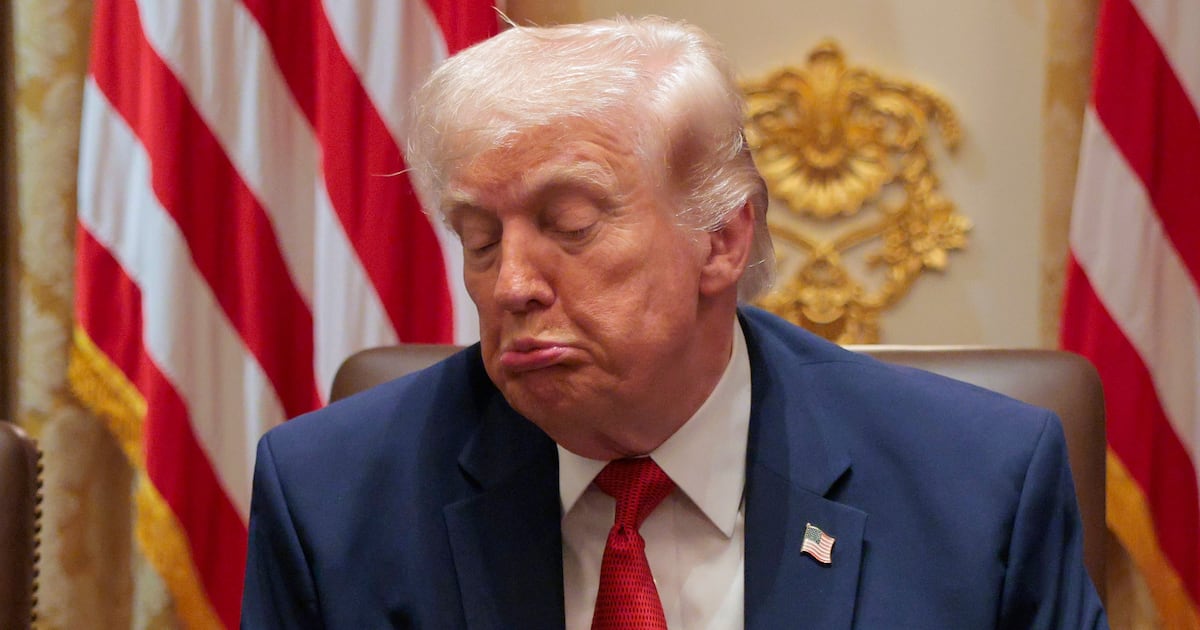
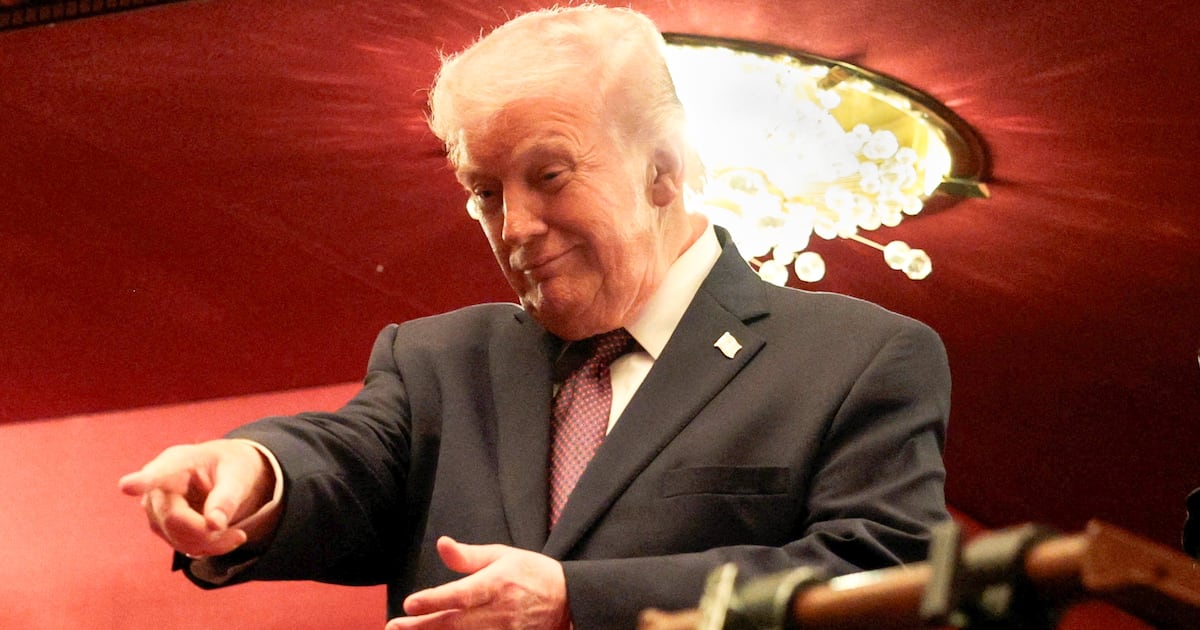
Trump became the first president in history to go to the Supreme Court to hear oral arguments about a case in which he was implicated, sitting about 15 feet away from the bench, beside Attorney General Pam Bondi.
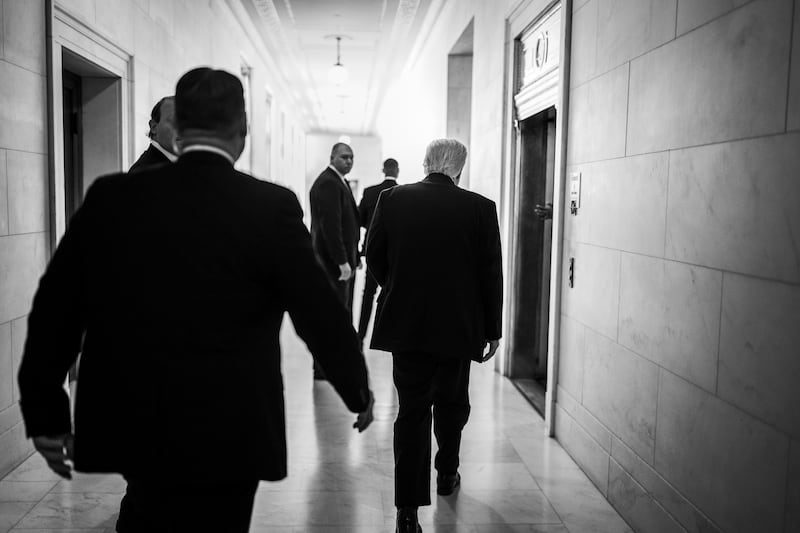
The case stems from Trump’s executive order signed on his first day back in office, which moved to dramatically upend birthright citizenship for babies born. in the U.S. by restricting it to the babies of U.S. citizens and permanent legal residents.
The move threw the citizenship of thousands of babies into limbo as the court battle played out.
“Let’s talk about its applications,” Barrett said. “I can imagine it being messy on some applications.”

She questioned what would happen if you do not know who the parents are when dealing with citizenship, where they lived, or if they intended to stay in the U.S.
“If you’re looking at parents’ domicile, then you have to adjudicate both residence and intent to stay,” she pointed out. “What if you don’t know who the parents are?”
When Solicitor General John D. Sauer went the technical route with immigration law, Barrett cut him off with, “yeah, yeah, yeah, yeah, but what about the Constitution?”
Sauer claimed a domicile is a constitutional standard in “all kinds of other situations,” but Barrett remained skeptical.
“Well, and it’s hard,” Barrett observed. “The thing is, it has to be litigated because it turns on intent.”


“How would it work? How would you adjudicate these cases? You’re not going to know at the time of birth for some people whether they have the intent to stay or not,” she observed.
While the case has been argued around residence and intent to stay in the U.S., Solicitor General D. John Sauer argued Trump’s executive order focused on objectively verifiable criteria such as immigration status and permanent or temporary residence in the U.S.

But after Barrett’s questions were raised, Justice Ketanji Brown Jackson also seized on that line of questioning, as well.
“How does this work? Are you suggesting that when a baby is born, people have to have documents, present documents? Is this happening in the delivery room? How are we determining when or whether a newborn child is a citizen of the United States under your rule?” Jackson asked.
Sauer argued that social security numbers are generated based on a birth certificate, and that could still be done in the vast majority of cases, but Jackson was not satisfied.
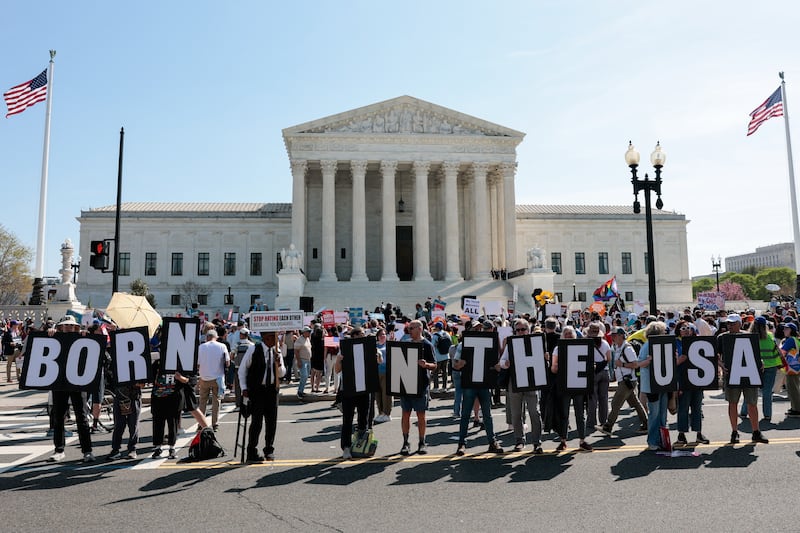
“Now you say your rule turns on whether the person intended to stay in the United States, and I think Justice Barrett brought this up, so are we bringing pregnant women in for depositions? What are we doing to figure this out?”
Sauer noted his earlier response that the executive order focused on immigration status.
“There’s apparently no opportunity then for the person to prove or to say that they actually intended to stay in the United States,” Jackson noted.
The solicitor general, however, argued the opposite was true, and they could dispute it if they think they were wrongly denied.
“After the fact,” Jackson said. “After their baby has been denied citizenship, then we can go through the process.”
An estimated 200,000 babies are born to immigrant parents in the U.S. each year, according to the ACLU. The outcome of the case will impact the citizenship and rights of such children for generations to come.
The Supreme Court is expected to release its decision at the end of the term in late June or early July.