The Trump family is officially set to cash in on the president’s war on Iran by selling drones to the Air Force.
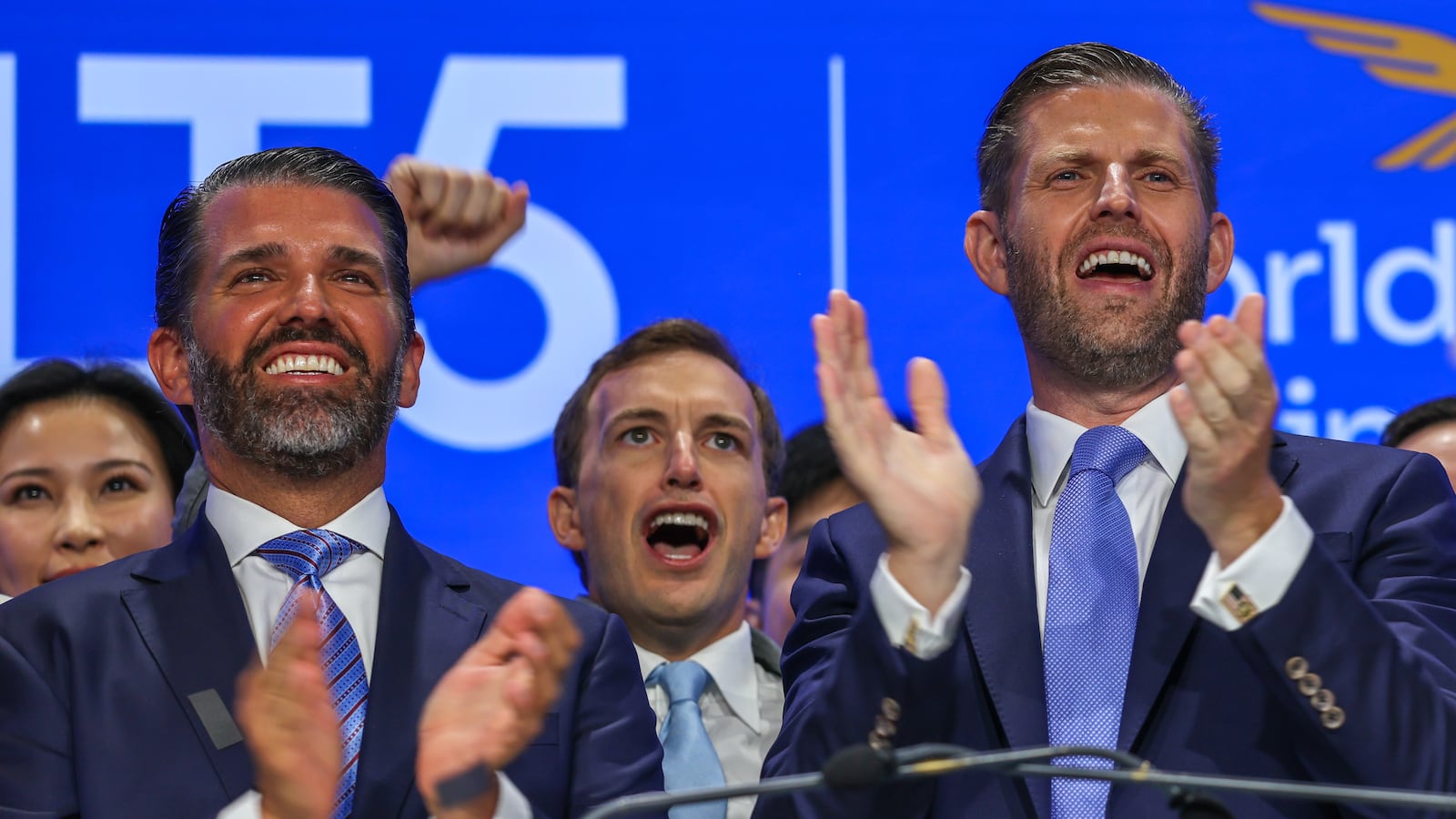
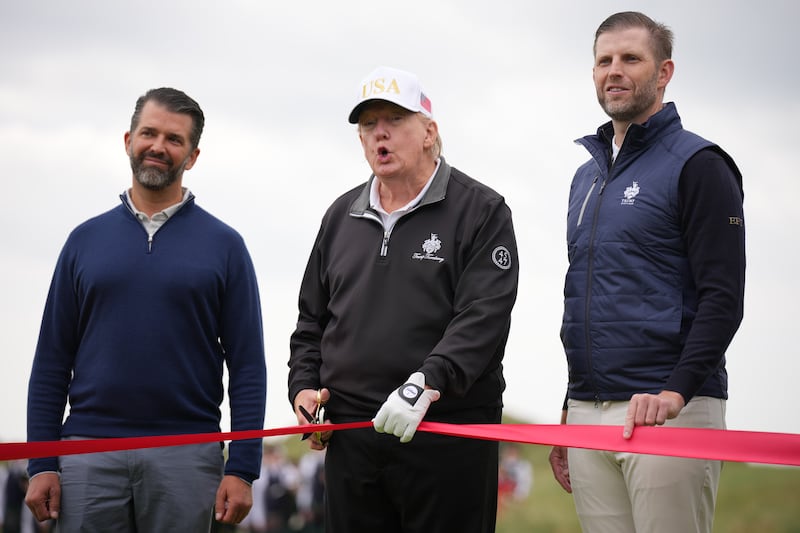
Donald Trump’s elder sons, Donald Jr. and Eric, joined the board of drone-maker Powerus after a golf club company they backed merged with it in March to take it public. Powerus, based in West Palm Beach, the home of Trump International Golf Club, now stands to gain from its links to the first family.
The company, only founded last year, announced that it had struck a deal to sell an undisclosed number of interceptor drones to the Pentagon. But Brett Velicovich, the company’s co-founder and president, insists this decision is based on merit, not nepotism.

“They’re not going to pick a system because of who’s on an investor list,” he said, according to Bloomberg. “They’re picking because they need it now.”
The deal was sealed after a successful demonstration at a facility in Arizona, he added. The deal marks the start-up’s first weapons procurement contract with the U.S. military.
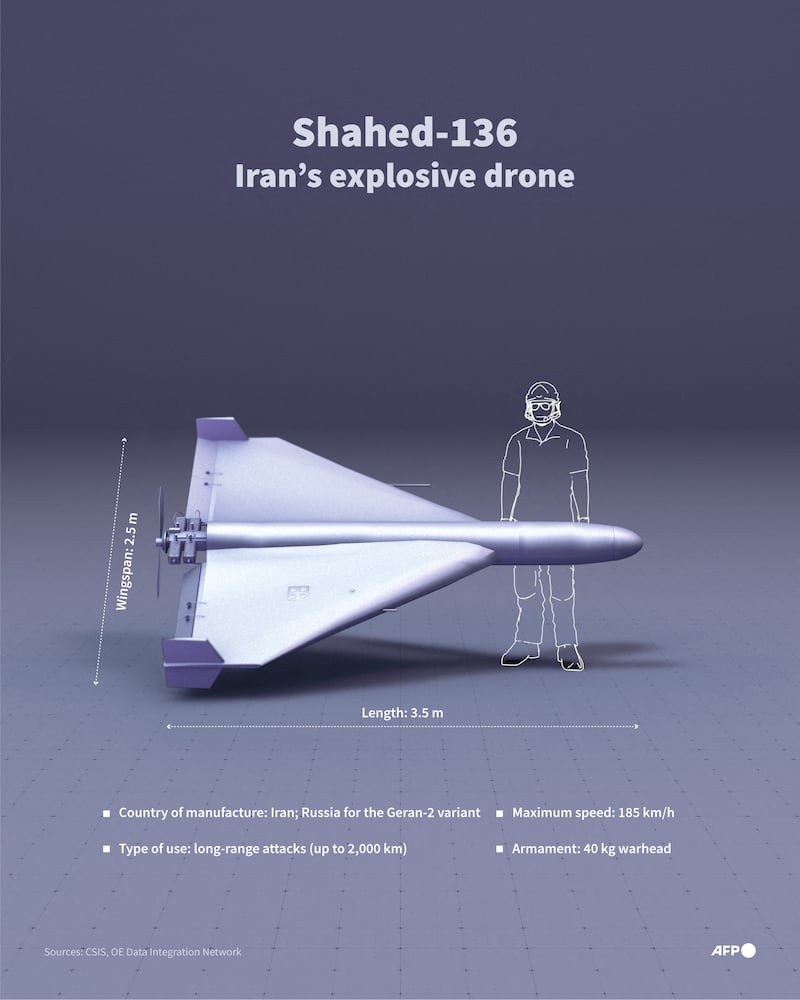
The Guardian-2 is a low-cost, semi-autonomous, high-speed counter-drone interceptor purpose-built for action in the Middle East to defend against Iranian Shahed-type attack drones. Although it fits the brief, the deal is likely to invite scrutiny because of its links to the Trump family.
A Powerus spokesperson declined to go into details of the deal, saying the company “does not comment on specific sales discussions or prospective customers.”
“We do not comment on any contract discussions or procurement relationships.”
The statement continued: “The team around this company are people who’ve spent their careers working this problem - who understand what a warfighter actually needs when the situation gets hard. That operational credibility is what got this technology in front of the right people, and it’s what the performance data then confirmed. The Air Force made this decision because they’re responsible for people whose lives depend on this working.”
In January, congressional Democrats requested information on whether Pentagon decisions to hand out loans and contracts to companies “associated with the president’s son may have been affected by conflicts of interest.”
After he was re-elected in 2024, Trump’s two eldest sons dove headfirst into business, announcing a flurry of deals in an array of businesses. They maintain that there is no ethical breach because they are private citizens and their father is not involved.
Earlier this month, Richard Painter, a former chief White House ethics lawyer under President George W. Bush, said that Gulf states caught up in President Trump’s war were put under “enormous pressure” to buy their drones.
“These countries are under enormous pressure to buy from the sons of the president so he will do what they want,” he said. “This is going to be the first family of a president to make a lot of money off war—a war he didn’t get the consent of Congress for.”
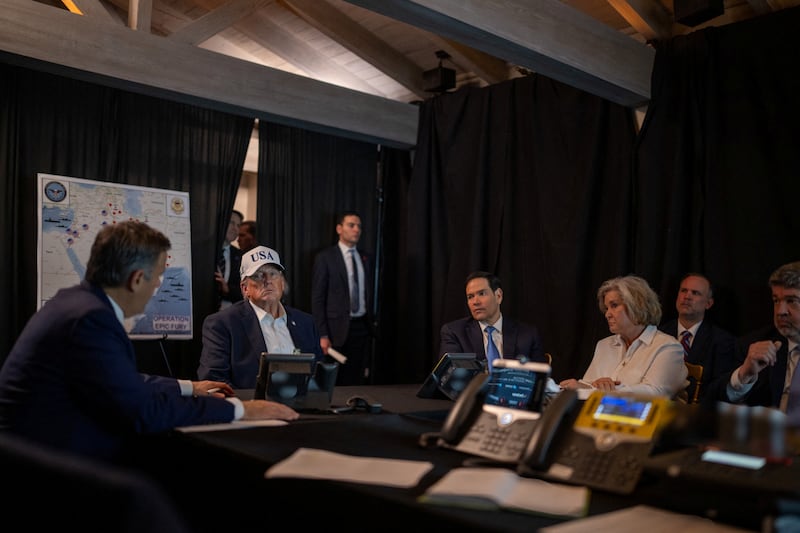
The war began on Feb. 28, with Trump and his officials insisting it did not require congressional approval—arguing it did not legally constitute a war. Under the War Powers Resolution, a president must seek congressional authorization within 60 days of committing U.S. forces to hostilities. That deadline has now passed.
To avoid going before Congress to seek approval to continue Operation Epic Fury, the administration is now arguing that the conflict has effectively ended—because no shots have been fired since a two-week ceasefire began on April 7. “For purposes of that law, the hostilities that began on Saturday, Feb. 28 have terminated,” a senior administration official told the Associated Press.
What happens next is unclear. But Richard Goldberg, who served as director for countering Iranian weapons of mass destruction on the National Security Council during Trump’s first term, says he has advised officials on a potential workaround.
He said the administration should simply declare a new operation, replacing Epic Fury with a fresh mission name—which, he reckons, would reset the 60-day clock and once again sidestep the need for a congressional vote.
This would mean it remains possible that Trump’s sons could benefit financially. “As a country, we’re behind,” Velicovich said in an interview with Bloomberg, referring to the fight to counter Iran’s advanced drone development. “We’re finally taking the steps to fix that.”
Powerus and the Defense Department have been asked for more details on the deal.