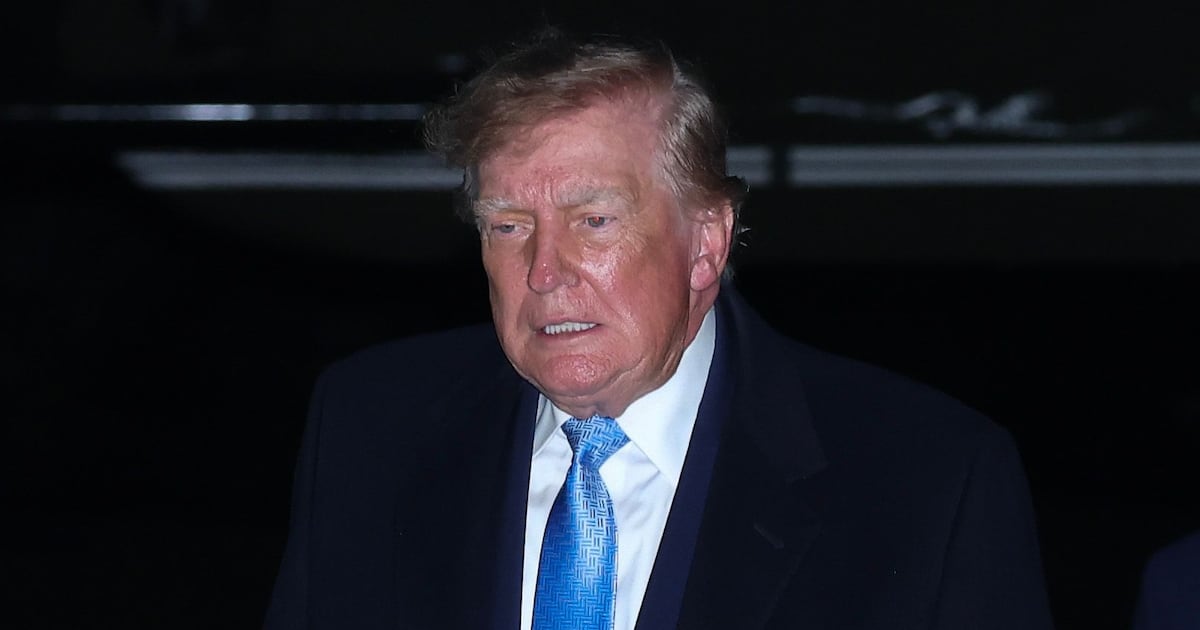

Trump’s war with Iran is starting to hit Americans where it hurts—air travel.
As the conflict approaches its eighth week, the airline industry is showing early signs of strain after the White House’s initial prediction of a four- to five-week war proved wildly optimistic.
Iran’s closure of the Strait of Hormuz, a critical chokepoint for roughly a fifth of the world’s oil shipments, has sent jet fuel costs soaring, triggering what analysts are calling the largest global oil disruption in modern history. Gas prices peaked at a nationwide average of $4.17 per gallon, and jet fuel prices doubled in the first few weeks.
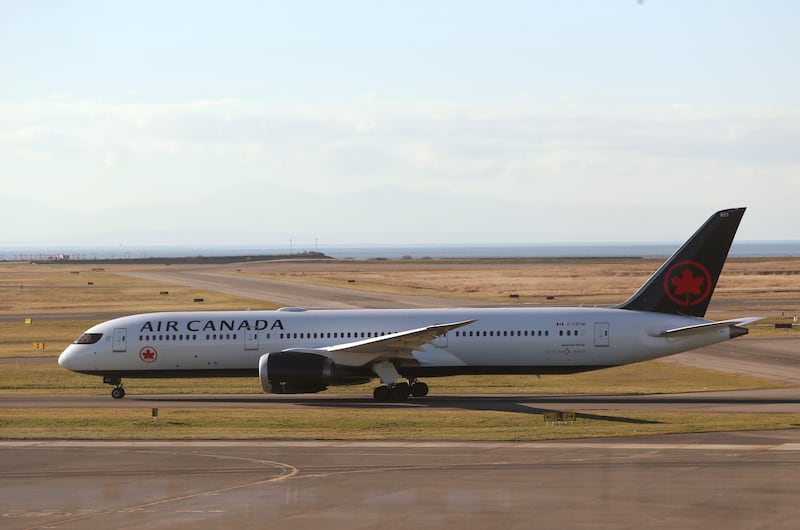
Now, airlines are starting to buckle under the mounting pressure. Air Canada announced Friday it will suspend flights from Toronto and Montreal to New York City’s John F. Kennedy International Airport from June 1 through Oct. 25, citing the economic strain of skyrocketing fuel costs.
“Jet fuel prices have doubled since the start of the Iran conflict and some lower profitability routes and flights are no longer economic,” the airline said in a statement, adding it is making “schedule adjustments accordingly” for affected passengers.

International Energy Agency Director Fatih Birol warned earlier this week that airlines would soon be forced into drastic cuts as fuel supplies tighten. In an interview with the Associated Press on Thursday, Birol said Europe may have “maybe six weeks” of jet fuel left, describing the situation as the “largest energy crisis” in decades.
Now two of Europe’s biggest airline carriers are buckling under the mounting pressure. German airline Lufthansa said it will retire a 27-plane fleet, while Dutch carrier KLM has canceled 160 flights beginning in May.
Back in the United States, airlines are scrambling for ways to offset costs without grounding flights outright.
JetBlue announced in March that it would raise baggage fees across domestic, Caribbean, and Latin American routes. Passengers will now have to pay $35 for their first checked bag, an increase from the previous $39 fee. Peak-period fees will jump even more, from $40 to $49.
United Airlines followed suit in April with its own $10 baggage fee hike—the first increase in two years.
The prolonged jet fuel price spike has put already struggling airlines in an even more difficult position. Spirit Aviation Holdings Inc. was already at risk of liquidation, and decisive action could take effect sometime this week, sources familiar with the matter told Bloomberg.
Behind the scenes, the cost pressures are mounting fast. Jet fuel prices climbed to $4.88 per gallon in March, up sharply from about $2.50 before the U.S. launched its first strike on Feb. 28. Delta Air Lines CEO Ed Bastian said the spike has already added roughly $400 million in costs for the airline.
Even the Trump administration is beginning to temper expectations. Energy Secretary Chris Wright, who previously projected fuel prices could fall to $3 per gallon by summer, conceded this week that the optimistic metric “is an aggressive timeframe now.”
Still, President Donald Trump is projecting confidence. On Friday, he claimed Iran has “agreed to everything” in ongoing negotiations with the U.S., including demands related to its enriched uranium program—despite Iranian officials signaling they have no intention of giving it up, according to CNN.
Trump also announced on Truth Social that the Strait of Hormuz is “COMPLETELY OPEN,” though he made clear the U.S. blockade of Iranian ports would remain in place until what he called a “100% COMPLETE” agreement is reached with Tehran.