Cathy’s voice breaks. She apologizes because she promised herself she wouldn’t cry on the phone. She takes a beat, breathes, and continues her story.
She recalls emigrating from Nigeria in 2012, and how she has spent the fourteen years since making herself the kind of person any country would want to welcome. She is a federal cybersecurity specialist working in healthcare to protect everyday people’s sensitive personal data from attack by online criminals and hostile foreign powers.

“Honestly, this is torture,” she says of the immigration freeze that has now thrown her future into total uncertainty. “It’s not right that we’re being punished,” she goes on. “You can see they’re trying to get at your mental health, your self-esteem, so that you’ll just be like, ‘you know what, I’m just going to leave.’ It’s their method for trying to get people out of here.”
Cathy is one of roughly two million people now caught up in what D.C. think-tank the Cato Institute, in an explosive report, has called the “largest fraud in the history of the U.S. immigration system.”
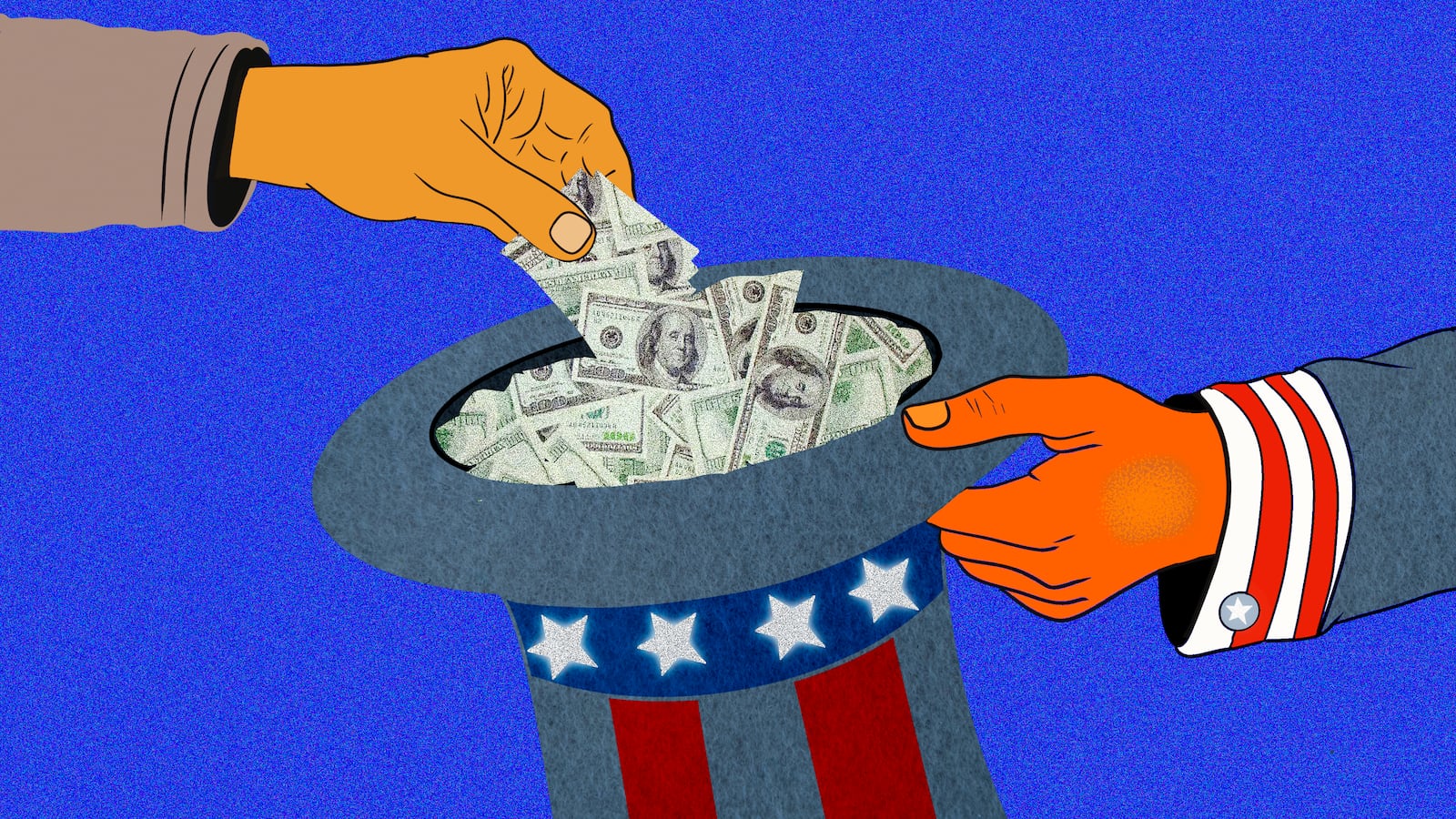
The Trump administration, according to the non-profit’s most conservative estimates, has charged migrants roughly $1.3 billion for visa processing and other services it has no intention of delivering. Fees collected, in many cases, after the White House had already moved to keep those same applicants out of the country.
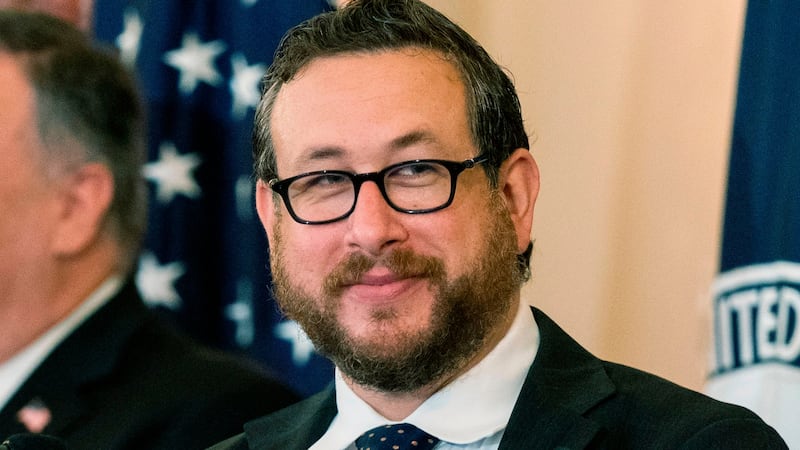
A trio of overlapping policies—advanced by President Donald Trump, Marco Rubio, and U.S. Citizenship and Immigration Services director Joseph Edlow—have effectively suspended applications from citizens of more than 90 nations around the world.
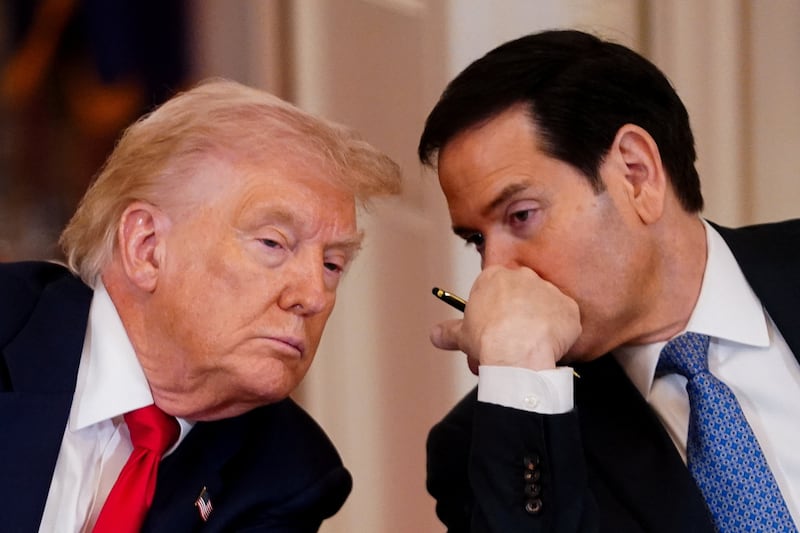
In December, the president imposed an effective travel ban on people from 40 countries, including Iran, Venezuela, Cuba, and Haiti, whose nationals he claims it is too difficult to “vet.” That move came after Edlow’s department, a subdivision of the Department of Homeland Security, suspended benefits in November for migrants who’d moved to the U.S. from those same places, and after Rubio froze visa processing for citizens of 75 countries.
Internal State Department guidance now expressly prohibits federal employees from telling applicants that their cases will not move forward—even as the fees continue to roll in.
The Daily Beast has spoken with six legal migrants trapped in the freeze, all of them young, highly educated, highly skilled professionals from countries on Trump’s list. They are scientists and engineers, financial analysts and federal employees—the kind of people the U.S. has long prided itself, at least until recently, on trying to bring in.
Marvin is one of them. A Nigerian graduate now living in Philadelphia, he was supposed to start medical school this year, and paid well over $2,000 in fees to immigration authorities for the documents to make it happen. It has been months, with “no record or mention of a refund.”
His seat on the course, meanwhile, is long gone. Rather than learning how to save lives, he is instead tutoring high schoolers in chemistry for what he calls “chump change,” making rent by leaning on money he desperately does not want to take from family back home.
Isis tells a similar story. She had been on a talent visa since 2018, working in tech from New York. She landed a new job in January, for which her new employer paid $6,000 in routine fees for a petition to switch companies. Then, immigration officials hit her with a last-minute demand for additional evidence, which her own lawyers say they’ve never seen before.
She filed her response in February. Her online case tracker hasn’t moved since.
“I’m not working at all,” Isis, who like Cathy and Marvin emigrated from Nigeria, told the Beast. “I’m not working under the table, not working legally, because I literally have nothing to prove I’m allowed to.” Life in suspended animation has forced her to raid her retirement savings just to keep up with rent of $3,500 a month, because breaking the lease would cost another $15,000 she doesn’t have. “I’ve had to cut back on so many things,” she explained.
The losses for others have run even higher. John, a financial services professional in Florida, spent more than $8,000 trying to switch his visa after the Trump administration terminated temporary protected status for Venezuelans last year. He’s been unemployed since November and has turned down offers of off-the-books work because he’s been “thinking about the long-term picture” and wary of the rules against it.

The long-term picture has been harder to keep sight of for Miguel, a newly minted engineering PhD who asked us not to disclose his country of origin, and paid $2,4000 for the work visa attached to a job offer that now hangs in limbo. It feels “like my career is being slashed even before it has begun,” he said.
Jackie says the waiting has become almost like a second job. She arrived three years ago, from a country she similarly declined to disclose, to pursue a PhD in healthcare policy. Most days, she struggles to even think straight because she’s “consumed just trying to follow what’s going on, checking to see if anyone has any updates.” When the ban list dropped, she said, “everything came crumbling down.”
The most difficult thing has been the loneliness of it. Jackie hasn’t told her family or her friends at home of the difficulties she’s facing, “because I feel like it would just add another layer of stress, given they don’t understand what’s going on.”
Isis explains that she’s become something of an informal coordinator for migrants trapped in limbo by the Trump administration’s policies. She says she knows of at least 30 lawsuits filed against the White House and its officials over the measures. Most of them run applicants between $3,000 to $25,000 in legal fees.
An unbearable further cost, she added from her $3,500-a-month apartment in New York, shouldered by people who already “don’t have money to pay rent, don’t have money to eat.”
Neither the White House nor the State Department responded to the Daily Beast’s request for comment on this story, or to questions about where the money taken from pending visa applicants is now being spent.
USCIS, Edlow’s division at DHS, said only that “the Biden administration failed American citizens by undermining basic vetting and screening processes for aliens,” and that the pause was designed to ensure migrants from “high-risk countries” are “vetted and screened to the maximum degree possible.”
Trump, whose criminal conviction for falsifying business records makes him the only felon in U.S. history to have assumed the office of president, was found liable in a sweeping 2023 civil fraud case for inflating the value of his properties and net worth over more than a decade—a ruling upheld on appeal in August 2025.
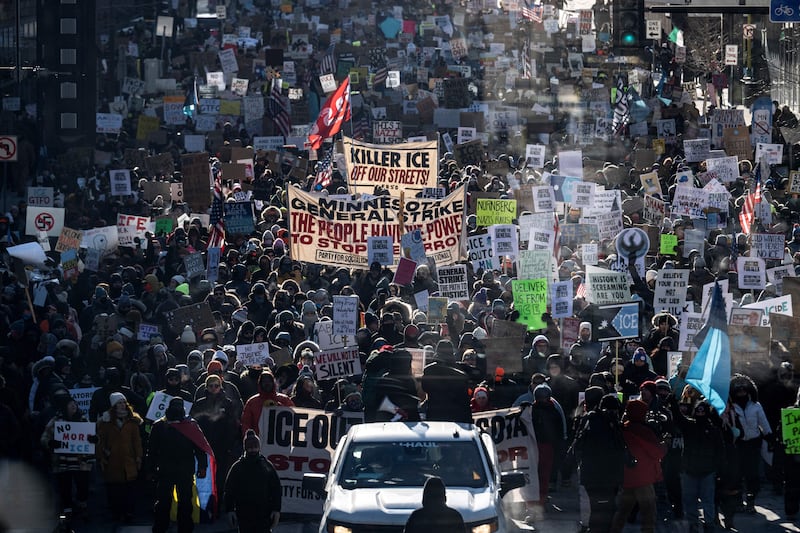
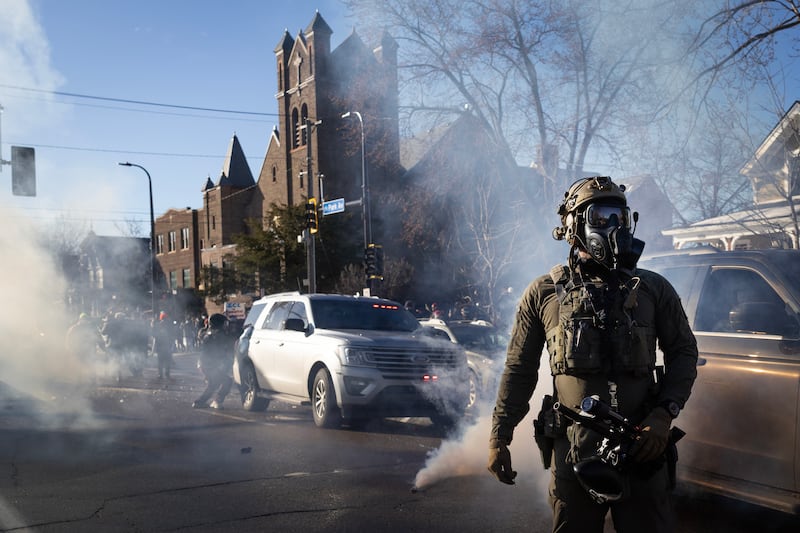
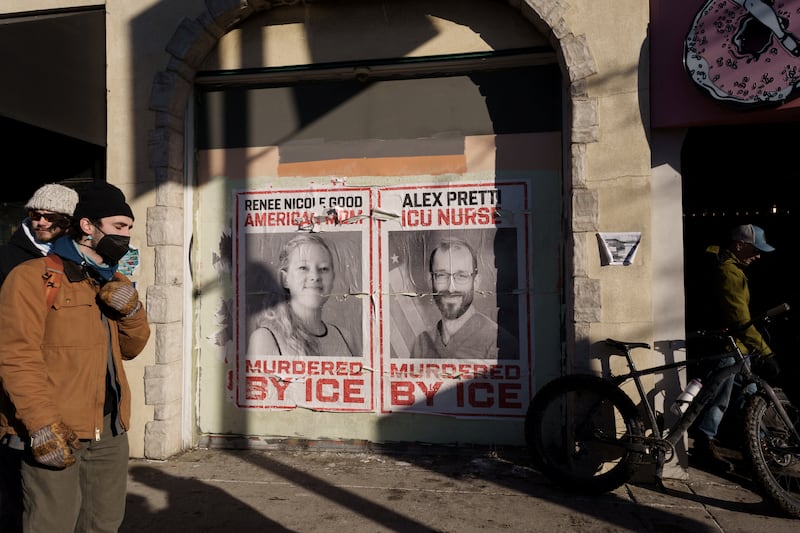
The alleged effort of his administration to defraud visa applicants comes as the government continues to cite limited reports of welfare fraud among migrant communities as a basis for its ongoing nationwide deportation drive. The White House notably named abuse of the Minnesota welfare system as justification for raids in the Twin Cities earlier this year, in which two American citizens, Renee Nicole Good and Alex Pretti, were shot dead by federal immigration agents.
For Cathy, the federal healthcare cybersecurity specialist, it’s the gap between what’s being done in the name of public safety and what she says most immigrants actually come to the U.S. for that has been the hardest part to reconcile.
“We come to this country, and you see a lot of things that happen. The school shootings—all of it,” she said. “If you really want to target a specific kind of people, it’s not going to be immigrants.”
“Immigrants come here, and all they want to do is make some money, try new cultures, try new things,” she went on. “We aren’t coming here to commit crimes, but that’s not the general consensus. It never is.”
Interviewees were permitted use of a pseudonym to discuss their experiences without fear of retaliation from immigration services.