
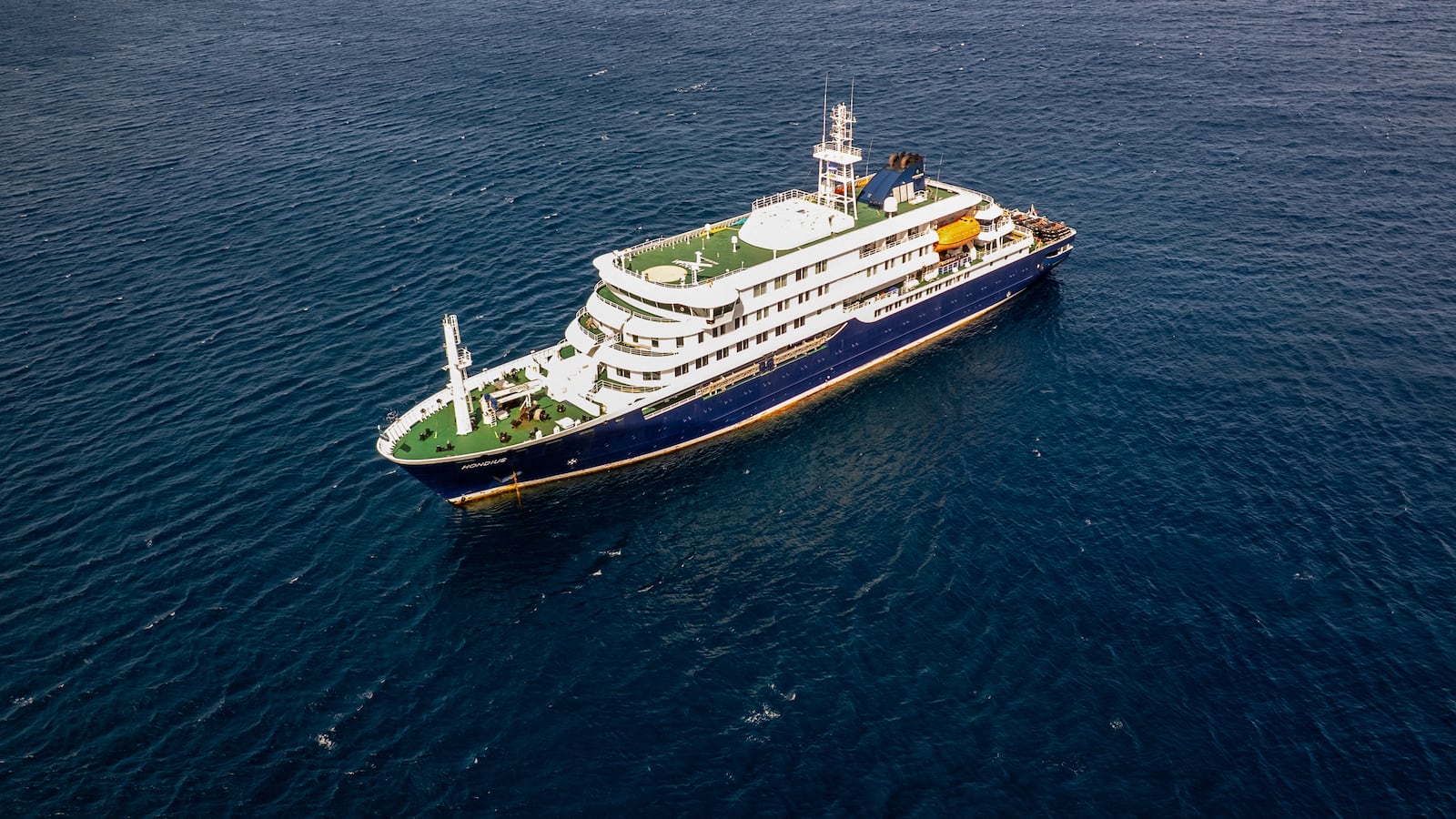
Suspected hantavirus cases aboard a cruise ship have increased to seven, the World Health Organization says.
A suspected outbreak of the rat-borne virus has struck the Dutch expedition vessel MV Hondius, operated by Oceanwide Expeditions, leaving three passengers dead and several others ill.
The WHO says two confirmed cases and five suspected cases have now been identified, including one critically ill patient and three people with mild symptoms.
Illnesses were reported between April 6 and April 28, with symptoms such as fever, gastrointestinal distress, and, in severe cases, rapid progression to pneumonia, respiratory failure, and shock.
The fatalities include a 70-year-old Dutch passenger who died on April 11, followed weeks later by his 69-year-old wife, whose posthumous test later confirmed hantavirus infection. A third passenger, a German national, died on board on Saturday and remains on the vessel.

A British passenger was evacuated to South Africa on April 27 and is now in intensive care in critical condition after testing positive.
A second British national is now showing symptoms of hantavirus infection, Downing Street confirmed on Tuesday.
Health officials are also working to evacuate two sick crew members, one British and one Dutch, who are showing respiratory symptoms.
Hantavirus is typically transmitted to humans through exposure to rodent droppings, urine, or saliva, and can lead to a severe respiratory condition known for a high fatality rate—around 40 percent in some cases, according to the U.S. Centers for Disease Control and Prevention.
The virus has been linked to high-profile deaths, including that of Betsy Arakawa, the wife of actor Gene Hackman, who died shortly before Hackman himself passed away from heart disease.

While most strains do not spread between people, a rare variant found in parts of Argentina and Chile’s Andes region has shown human-to-human transmission.
The World Health Organization said Tuesday that some person-to-person spread may have occurred aboard the cruise ship, CNN reported.
“We do know that some of the cases had very close contact with each other and certainly human-to-human transmission can’t be ruled out so as a precaution this is what we are assuming,” Dr. Maria Van Kerhove, WHO’s director for epidemic and pandemic preparedness and prevention, said.
Van Kerhove stressed that the risk to the public remains low.
“The risk to the general public is low. This is not a virus that spreads like flu or like COVID. It’s quite different.”
Authorities suspect the first cases were likely picked up before passengers boarded the cruise ship.
The MV Hondius departed Ushuaia, Argentina, on March 20 for a 46-day expedition originally due to end in Cape Verde on Monday, carrying around 150 people, including 17 Americans.

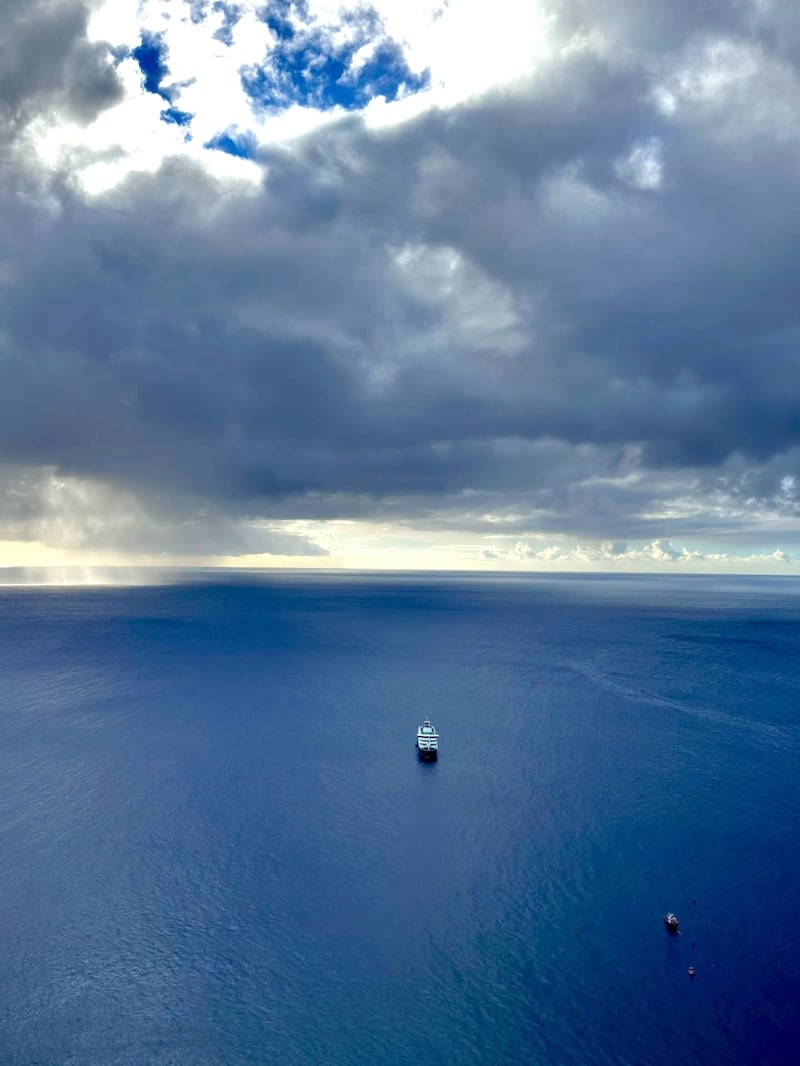
Cape Verde officials have instructed the vessel to stay in open waters, though it remains unclear how long passengers will be stranded at sea.
Those on board have been advised to practice “maximal physical distancing” and remain in their cabins as much as possible to limit further spread of illness.
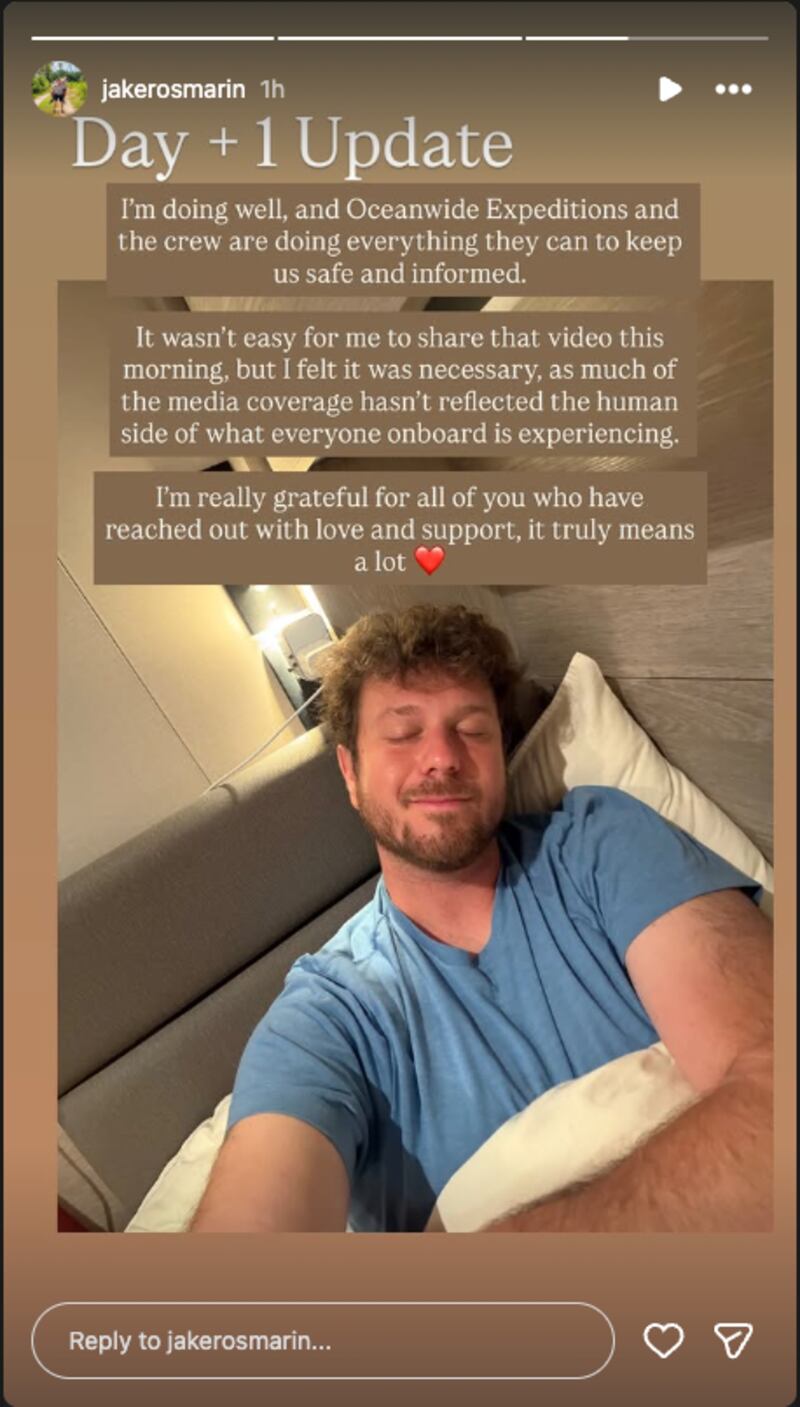
Among them, American travel blogger Jake Rosmarin posted a video from his cabin on Instagram, urging viewers not to forget those stuck onboard as the situation continues to unfold.
Rosmarin told his 44,000 followers: “What’s happening right now is very real for all of us here. We’re not just a story, we’re not just headlines, we’re people. People with families, with lives, with people waiting for us at home.”
In another update posted on Instagram on Monday, Rosmarin said he was “trying to hold onto a bit of light right now,” adding that it has taken time to “settle my emotions.”
He added that “everyone onboard is doing OK.”
“The focus continues to be on keeping everyone safe and informed,” he wrote, adding: “I also want to recognize that Oceanwide Expeditions and the entire crew have been handling a very difficult situation with care, and I’m really grateful for everything they’re doing,” while acknowledging “there’s still some uncertainty.”
The WHO said, “detailed investigations are ongoing, including further laboratory testing, and epidemiological investigations.”